As the dust settles from a monumental political turning point, one must ponder the poignant question: Now what? For feminists, this isn’t just a rhetorical device—it’s a clarion call to action. The rights and lives of women are on an unrelenting path of evolution, perpetually navigating a landscape marked by victories and setbacks. As we stride forth, there lies an imperative to dissect the implications of recent political upheavals and strategize paths forward in our continuous quest for gender equity. This article seeks not only to illuminate the complex tapestry of women’s rights today but also to challenge you, reader, to engage critically with the multifaceted narratives that inform our current reality.
To understand where we stand now, we must first examine the vibrant history that has brought us to this juncture. The legacy of feminist activism pulsates through decades of struggle, triumph, and insatiable resilience. Yet, as we bask in the fleeting glow of achievements, we’re reminded that complacency is the enemy of progress. What lies ahead is a dynamic interplay of empowerment and confrontation, ripe for exploration.
So, this is not just an article; it’s a dare. A playful challenge for those willing to engage in the grittier elements of feminism. Are you prepared to confront the labyrinthine complexities of the women’s rights movement as we explore the ramifications of recent societal shifts?
Evolution of Feminism: The Past as a Prologue
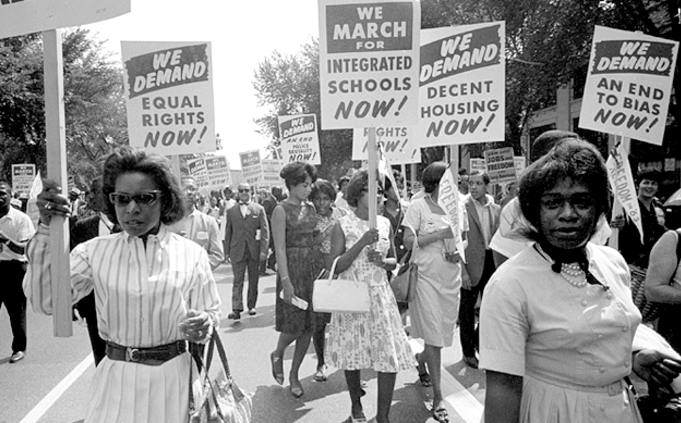
The annals of feminist history divulge a veritable mosaic of triumphs, trials, and transformative moments. To fully grasp where we are now, it’s essential to appreciate the seamless continuum of struggle that has defined the feminist movement. From the suffragettes demanding a voice, to the brazen demonstrators of the second-wave movement dismantling patriarchal norms, the path has been rife with challenges that have molded the modern era of feminism.
Each wave of feminism has not only built on the last but has also illuminated the disparities that still linger. The inflection point we recently experienced was a sharp reminder that many of the hard-won rights are not immutable. The tenacity required to claim and defend these rights demands a concerted effort to challenge the systemic forces that seek to roll them back.
The last few years have brought seismic shifts in political landscapes across the globe. In the wake of these upheavals, women have bravely stepped into the fray—organized marches, grassroots movements, and candid conversations that challenge the status quo. But are these efforts enough? And what happens when elected leaders seem bent on dismantling the rights that generations have fought for? The question looms large: How do we recalibrate our efforts to reclaim and expand upon the gains of the feminist movement?
The Collective Action Paradigm Shift
Now is the time for a radical rethinking of collective action. As individualism pervades modern discourse, it’s essential to chart a course back to solidarity. This paradigm of cooperation is paramount, particularly when navigating the intricacies of intersectionality. Feminism today must grapple with the realities of race, class, and cultural dynamics. The interests of diverse women must resonate cohesively within our collective voice.
Bear in mind: A singular narrative dilutes our power. The feminist fight is a tapestry woven from myriad experiences. Are we adept at encompassing all voices? Are we actively dismantling the barriers that stifle marginalized perspectives? In pursuing unity amidst diversity, we can harness our collective strength to position women’s rights not as a singular issue, but as an expansive platform for justice and equality.
The onus is on feminists to occupy spaces where intersectional dialogues can thrive. Host platforms for discussions highlighting race, sexuality, and economical disparities. Embrace uncomfortable conversations that may challenge your preconceived notions. Only through this can we foster an environment conducive to meaningful change, a change propelled by the relentless pursuit of justice for all.
Reclaiming the Narrative: Media and Representation
Another aspect of our feminist evolution lies in the world of media—both its representation and its pervasive power. In a society rooted in visual culture, the portrayal of women and their rights in film, television, music, and digital platforms plays an instrumental role in shaping public perception. With the advent of social media, there exists an unprecedented opportunity to redefine narratives that have historically confined women to the sidelines.
Yet, one must remain vigilant. The same platforms that can empower can also perpetuate harmful stereotypes and misinformation. Feminists must be discerning consumers and producers of narratives that convey authentic representations of women. Steering the conversation away from sensationalism and toward nuanced storytelling is crucial. The stories we tell craft the world we live in. Are we utilizing our platforms to uplift, or are we succumbing to the allure of clickbait culture?
Bridging this gap necessitates collaborations between feminists and individuals with significant influence across various fields. Artists, writers, and activists must unite under the shared mission of reimagining representation. Imagine a world where complex female characters challenge the traditional tropes, where stories reflect the vast diversities within womanhood. This isn’t merely a lofty aspiration but a necessary evolution of our cultural landscape.
Beyond the Bubble: Engaging with Opponents
The feminist movement has often insulated itself within “safe spaces,” but the time for that comfortable solitude is waning. If feminism aims to ignite meaningful change, it must be willing to engage with those outside its echo chamber. This doesn’t equate to compromising values but rather seeking to understand the multifarious perspectives that shape opposition. How can we expect progress if we’re not facing the proverbial enemy head-on?
Empathy can serve as a radical tool for dismantling preconceived notions. Through respectful dialogue, we can illuminate the fears and misconceptions that fuel resistance. Engaging constructively with naysayers and skeptics allows for meaningful discourse that can bridge gaps and dismantle dichotomies. This method may take patience, resilience, and an openness to uncomfortable truths, but steadfastness in such conversations can catalyze transformative change.
The Road Ahead: A Call to Action
So, where do we go from here? Simply celebrating our past victories is insufficient. It’s time to ignite a renewed fervor for activism, one that is laced with creativity, compassion, and commitment. Women’s rights after this political turning point call for innovative tactics and vibrant engagement. Reimagine what advocacy looks like in your context—how can your actions reverberate beyond personal interests and towards forging a collective legacy?
The road ahead is as daunting as it is exhilarating. As you ponder the ongoing fight for gender equity, ask yourself: What role will you play in authorship of this narrative? Whether as a vocal advocate or a supportive ally, your input shapes the texture of our shared journey towards an egalitarian future. Each act, no matter how small, contributes to the greater chorus of women’s rights. Let this political turning point fuel not a moment of reflection but a sustained movement forward, where every woman’s voice is an essential note in the symphony of change.
Let this be a challenge: Engage, question, and most importantly, act. Discover how your unique contributions can stir the cauldron of revolution, because in the quest for women’s rights, complacency is the only failure. Together, let’s carve out paths where women are not only surviving but thriving—where their rights are not a concession but a birthright.