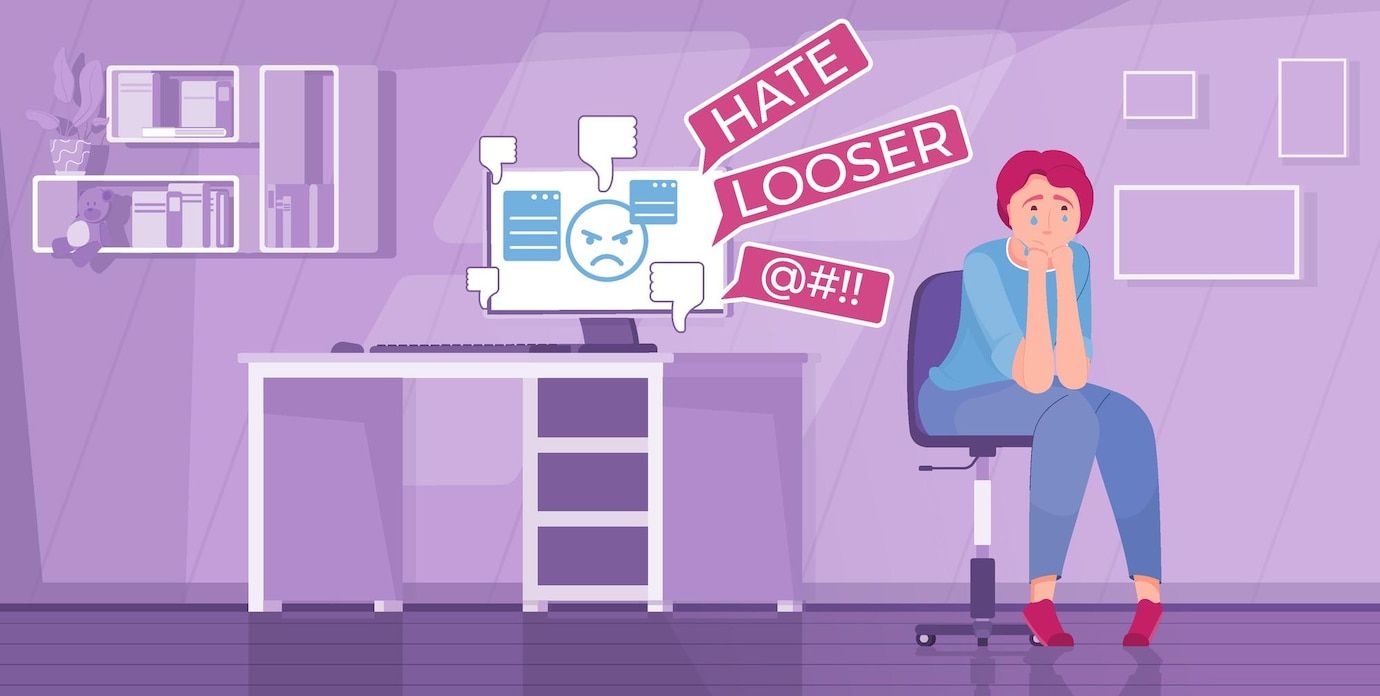
In the cacophony of digital discourse, feminism is not merely a movement—it has become a battleground. The virtual sphere, intended as a vast agora for free expression, has metamorphosed into a labyrinthine frontier where online harassment thrives with relentless resilience. The platforms that once promised to democratize communication now bear the heavy imprint of their failure to curate their own ecosystems: unmoderated spaces, devoid of governance, inadvertently breed not just dissent, but existential distress for the marginalized. When a social platform—be it a colossal metropolis of interconnected users or a niche forum—fails to uphold robust moderation frameworks, it doesn’t just tolerate harassment: it becomes complicit in its perpetuation, and its silence is the most profound form of collusion.
The Myth of a Neutral Digital Commons
The architecture of most online platforms is predicated on an illusory notion of neutrality—a Platonic ideal detached from the power dynamics that shape human civilization. But history has consistently demonstrated that even supposed neutrals harbor biases, whether material or rhetorical. Neutrality, in reality, is not the absence of values but the deferral of them to algorithms, crowd-sourced “flags,” or delay mechanisms that too often function as smoke signals for inaction. What emerges is a deceptive facade of equilibrium where harassment thrives unchecked, a byproduct of platform design that prioritizes user retention over user safety.
When mainstream platforms treat misogyny, racism, and transphobia with bureaucratic inertia, they confer upon such narratives a legitimacy they otherwise might lack. The volume of hate is amplified not just due to the sheer number of voices but because the platforms, through their modus operandi, normalize the very toxicity they claim to combat. By delaying moderation or employing vague “community guidelines” that are inconsistently enforced, these digital hubs inadvertently become sanctuaries for hate rather than bastions of free thought.
Institutional Paralysis as the New Moderation Policy
Moderation, when conflated with moderation in spirit, becomes an oxymoron. The modern social platform’s obsession with scalability and profitability has led to a grotesque truncation of accountability where the scale of harm exceeds the capacity to address it immediately. Yet swift moderation is not the panacea; it is merely one thread in a multifaceted tapestry of intervention. Delayed flagged messages, half-hearted warnings, and the specter of shadowbanning—each strategy betrays a foundational belief that harm is inevitable and only tolerable in the quantities that won’t drastically erode user engagement.
Consider how platforms often employ a tiered framework for punitive actions: minor instances of harassment may merit a warning, while more severe acts are subjected to a veritable bureaucratic gauntlet filled with appeals, exceptions, or algorithmic interpretation. In such a convoluted system, impunity becomes the default, allowing harassers to operate under a constant but uncertain threat—the specter of eventual repercussion. This calculated ambiguity allows harassment to flourish in the interstices, a digital version of “legal loopholing” where users with resources or influence can indefinitely delay accountability.
Patriarchy’s Digital Outposts and the Normalization of Harassment
Feminism and online harassment are not merely connected; they intersect along axes of violence that predigest upon intersectionality—the intersection of gender, race, class, and sometimes ability. The feminist movement, even in its fragmented and decentralized digital expressions, is targeted with a calculated vengeance because platforms that refuse to enforce meaningful moderation provide cover. What occurs when a woman of color, trans activist, or feminist academic faces coordinated harassment? The platform’s “zero tolerance” policies crumble beneath the weight of performative virtue signaling, revealing the truth: harassment thrives when enforcement is predicated on profit rather than progress.
Harassment online isn’t just an interpersonal transgression; it’s a vector for systemic oppression. Women, especially those in visible roles, are subjected to sustained campaigns of harassment that mirror offline violence—threats of physical harm, sexual degradation, and professional sabotage. Platforms that fail to disrupt this pattern are not bystanders; they become the institutionalized enablers of a digital patriarchy where impunity for the most egregious harm is the unspoken rule.
The Emotional Toll of Harassment: When Moderation Fails, Feminists Pay
The consequences of inadequately moderated platforms are not merely ideological or ethical; they are visceral. The constant pressure of harassment, particularly when confronted with the knowledge that digital hubs either cannot or will not protect them, fosters a psychological landscape reminiscent of workplace bullying or bullying in traditional academic environments. Over time, this can lead to burnout, silence, and the erasure of voices that should be central to public discourse.
Feminist discourse online, already operating in a cultural climate that denigrates intersectional critiques or women-led activism as divisive or overly emotional, takes a precipitous dive into irrelevancy when those engaged in it feel themselves constantly vulnerable to abuse without recourse. The best-intentioned platform may declare itself a sanctuary for free thought, but if that sanctuary doesn’t actively dismantle the structures that perpetuate harassment, it risks becoming a crucible for both professional and personal attrition—for women, for people of color, and for anyone on the receiving end of systemic bias.
Profit Meets Justice: Why Unmoderated Platforms Are an Existential Threat to Equality
The complicity of unmoderated platforms isn’t rooted solely in apathy but in capital calculus. Most digital ecosystems operate under the fallacy that growth is sacred, that moderation, like ethical manufacturing, is just another cost center. But the unchecked accumulation by attraction—luring users in with endless feeds and dopamine-laced engagement—has a corollary: a corrupter of democracy, where the more outrage spreads, the more platforms profit from outrage as spectacle.
There exists a perverse synergy here. By allowing harassment to escalate or normalize, platforms become not only complicit in its spread but culpable in its radicalization. As harassment becomes more brazen—from doxxing to coordinated smears—platforms that fail to address it directly contribute to an erosion of trust in digital communication itself. Feminist movements, LGBTQ+ initiatives, and social justice campaigns risk appearing fragmented or ineffective because the infrastructure they rely on is either indifferent or hostile to their cause.
In the end, platforms that don’t actively fight harassment aren’t merely passive. They are active participants in an ecosystem where certain voices and narratives are suppressed, where certain bodies are targeted, and where power consolidates around those who can exploit the ambiguities of the online world most effectively.
What Would True Moderation Look Like? Toward a Radical Reimagining
The question isn’t just why platforms fail—but how to replace the broken system with something that protects rather than profits from pain. Real moderation demands more than reactive measures; it requires proactive and equitable enforcement, clear pathways for appeal, and an architecture that doesn’t prioritize traffic at the expense of human dignity. It means transparency about decision-making processes and accountability for failures.
This isn’t a hypothetical but a necessary evolution. There are examples of platforms that have navigated these challenges with some success: some through grassroots user moderator programs, others through decentralized trust architectures that foster community oversight. Yet even these must evolve beyond superficial solutions towards a unified system where harassment is not just another metric of virality but a red flag requiring immediate and structural redress.
Feminists, activists, and ethical platform architects must collaborate to demand not just more moderation, but better moderation—one embedded with the understanding that free speech and free access must coexist with the right to exist without fear. Until platforms acknowledge that moderation isn’t a luxury but an imperative of social justice, feminism and other marginalized voices will remain stuck in a cycle not of dialogue but of digital survival.
To stand idly by when harassment permeates digital spaces is to align oneself tacitly with its proliferation. Complicity isn’t inaction on occasion; it’s the normalization of absence. As feminism continues to carve out its identity across fragmented digital terrain, the onus is on platforms to recognize their role not just as intermediaries, but as architects of an online reality. Until then, the platforms’ silence isn’t just negligence—it’s a violent act of erasure with profound and lasting consequences.