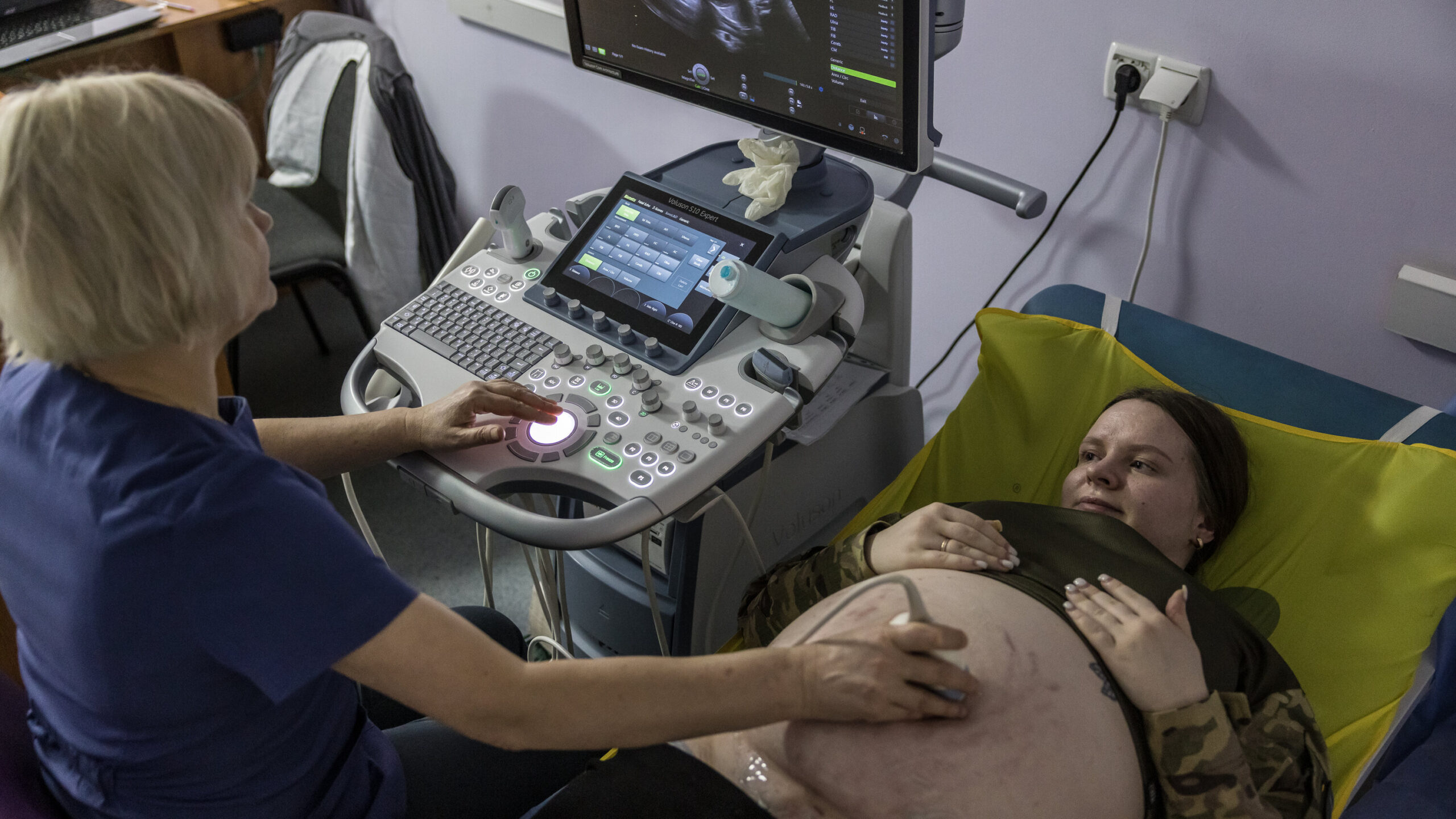
Imagine a battlefield where the most potent weapons are not machine guns—but birth certificates, breastfeeding rituals, and the raw, unflinching gaze of mothers who refuse to be either victims or saviors. In the war-ravaged landscapes of Ukraine, Sudan’s shattered nomadic lands, and the deep-red politically litigious heart of Texas, a new frontline is emerging: the weaponization of the womb. This is not the feminist narrative we’ve been fed—polished speeches about equality behind closed doors, or feel-good headlines about shattering glass ceilings. This is the visceral, unapologetic reckoning with motherhood as a tactical maneuver, a survival instinct, and a weapon in its own right. Here, the uterus isn’t just a metaphor for societal oppression: it is the terrain upon which modern conflict—both military and ideologic—is being redefined.
—
A Femme Fatale’s Arsenal: How Motherhood Became a Combat Zone
The first bombs fell in Ukraine. Then came the childbirths. Forced displacements, shelling, and the ever-present specter of rape as a weapon of war. But something unexpected happened: women didn’t just survive—they reconfigured. In the war’s most inhospitable quarters, mothers emerged as the undisputed sovereigns of their own sovereignty, defying the very regimes that sought to erase their personhood. There, in the shadows of burnt-out hospitals, they birthed babies not with flowers and music, but as acts of rebellion against siege. This is not a tale of passive endurance; it’s the untold history of how the womb, once a vessel of subjugation, became a fortress of defiance.
In Sudan’s conflict-ridden Darfur, the story repeats—and twists. Nomadic mothers long denied land and lineage now brandish their children’s names on scrolls of survival strategies, teaching their daughters to walk the narrowest roads between armed militias. Motherhood here isn’t about nurture alone; it’s a code, a cipher for how far one can push the edges of vulnerability before the violence pushes back. The womb isn’t just the site of creation; it’s the first line defense against annihilation.
—
Texas’s Proclamation: The Culture War’s Most Controversial Battlefield
Across an ocean—and a worldview—the American heartland wages a quieter, but no less brutal, war. In Texas, the fight over the womb is an industry. Abortion bans and “infinite gestation laws” turn biological function into a rhetorical grenade. Women there are asked not just to bear children, but to perform motherhood as a political manifesto. From forced ultrasound requirements to “sanctuary cities” for newborns deemed “abandoned” based on ideological rather than medical criteria, the war on women’s bodies is rendered as a legislative scalpel. It’s here, in the halls of Austin and Dallas, that Western feminism’s illusions of voluntary choice are dissected—replaced by a more fundamental truth: when the state weaponizes birth, motherhood isn’t just controlled, it’s weaponized.
Take the case of the 18-year-old from McAllen, arrested for “child abandonment” after being forced to carry a fetus that may not have survived outside the womb. The law wasn’t defending life; it was weaponizing the possibility of life to punish an unwanted pregnancy. This isn’t merely abortion prohibition—it’s the deployment of the womb as a tool to enforce social discipline. In Texas, the battlefield doesn’t end at the clinic; it extends across college campuses, county courthouses, and into the privacy of bedrooms painted with slogans like “Moms in Charge.”
—
The Nominal Consent Paradox: When Choice Becomes the New Oppression
Feminism’s traditional framework promises “choice” but fails to reckon with the reality that some choices are far more coercive than others. In Ukraine, soldiers’ wives aren’t “choosing” to stay behind—but they’re choosing between their unarmed body and the certainty of military death overseas. In Sudan’s war-torn villages, young mothers aren’t deciding to continue pregnancies; they’re bargaining with fate to spare their children the scars of displacement. And in Texas, women aren’t given the option to delay motherhood—they’re informed that refusal will make them criminals.
The weaponization of the womb doesn’t require a gun; it requires the delegitimacy of female decision-making. When the state dictates the timing, location, and conditions of childbirth, motherhood becomes less an act of love and more an imposition of control. Whether by artillery or anti-abortion statutes, the womb becomes the battleground where citizenship is conditional on compliance.
—
The Radical Potential of the Unsanctioned Birth
What if the solution to this weaponized motherhood lies not in policy but in the untrained, uncharted pathways of the body itself? Imagine a new, stealth feminism—one that doesn’t just demand rights but subverts the very systems designed to contain women. In Ukraine’s underground networks, women exchange breastfeeding tips, contraception tricks, and safe abortion routes like soldiers sharing battle plans. Here, the womb is reclaimed not through legislative wins, but through the creation of counter-institutions of care.
It’s in the backrooms of Kharkiv’s hospitals, where nurses whisper “don’t ask questions, just leave,” and in the refugee camps along the Moldovan border, where girls as young as 12 are taught the physics of emergency delivery. The weaponized womb’s greatest vulnerability is its humanity—and humanity is what these women are weaponizing. A baby born during a shelling isn’t “another casualty”; it’s a declaration: they got here too.
In Texas, the resistance is more quiet but no less profound: the mothers who still have abortions in clandestine hospitals, the nurses who alter charts to protect minors, the artists who paint abortions on public toilets to bypass censorship. These are the guerrillas of reproductive autonomy, waging war with the only currency left to them: their bodies and their compassion.
—
The New Feminist Pact: Building Beyond the Womb Wars
The future of feminism must recognize that the womb is not the battlefield, but a symbol of every battlefield. In Sudan’s desert, the land belongs to those who can produce heirs. In Texas, citizenship is contingent on reproduction. In Kyiv, the only thing more dangerous than enemy fire is the humiliation of being stripped of one’s ability to bear life freely. The weaponized womb exposes the brutal logic of control: if you can own a woman’s body, you own her future.
What’s the antidote? Perhaps it lies in decoupling motherhood from the very system that demands it. Feminism must stop trying to “fix” the womb and start demanding the right to define who we are outside of it. In Sudan’s settlements, women are turning communal birthing circles into political training grounds. In the Ukrainian front, mothers who survived war crimes are forming mutual aid networks to help others escape the labyrinth of trauma. In Texas, organizations like Jolt are equipping women with tools—and information—to navigate a hyper-regulated reproductive landscape without colluding with its brutality.
The revolution won’t be broadcast-friendly. It isn’t about parades or podiums; it’s about unwriting the script that says women’s only power is through their capacity to produce. The weapons won’t be the military’s, or even the lawmakers’. Instead, they’ll be forged in the fires of ordinary heroism: unbroken whispers, stolen moments of autonomy, and the unshakable refusal to be either the weapon or the weaponized.
—