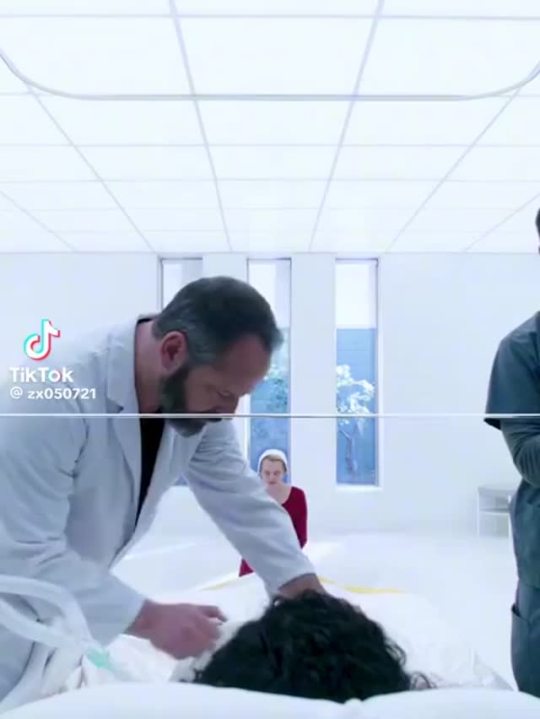
We’ve spent decades gazing at The Handmaid’s Tale like a grim fairy tale—distant, fantastical—a cautionary mural scrawled across the walls of some dystopian future. We tip our heads in solemn understanding, nodding as Gilead’s velvet glove turns to an iron fist, as white dresses and spectral wings flutter like moths in a killing lamp. But here’s the cruel irony: we didn’t read the signs. We didn’t heed the story as anything but a specter at the edge of our vision. And now, we’re busy posting Instagram slideshows of our “brave” feminist pilgrimage to places that *feel* like Gilead.
The Lie of Distant Dystopia: How We Made Gilead a Buzzword
The first mistake was refusing to see the story as a mirror. Margaret Atwood’s magnum opus never claimed to be a blueprint—yet we treated it like one, a do-it-yourself guidebook with the pages dog-eared. We quoted its phrases at demonstrations but never fully unpacked what they meant. “There won’t be any more protests,” Red Center whispers. “You’ll just go quietly.” And so we did—quieter, softer, our voices folded into “political correctness” and “sensitivity trainings” as if resistance were merely a Twitter hashtag. We made Gilead into an aesthetic, ironically adorning ourselves with its symbols without confronting the system that birthed them.
Nowhere is this more evident than in how we’ve turned “feminist tourism” into a performance. We post selfies in front of “liberated” cities where the skyline proudly bears the scars of patriarchal architecture—subway stops named after long-dead suffragettes, book stores with neon signs that spell “RESIST,” and bars with the word “VAGINA” scrawled in graffiti. The internet loves the irony, the performative disobedience. But irony is cheap when the real violence remains undisturbed—backstairs, behind the cameras, uncommented under our curated feeds.
When Victimhood Becomes a Marketplace
A strange thing happens when you turn resistance into a lifestyle: the vulnerable become commodities. The Handmaid’s Tale’s most potent argument wasn’t that women would be forced into reproductive cages—it was that a society would *need* to. In our world, Gilead’s need for female bodies is mirrored in how we market the commodification of trauma itself. “Grab your tote bag, it’s a feminist revolution!” we say, while companies sell “female-centric” products to men with double the profit margin. The #MeToo movement, which once promised accountability, now drowns beneath waves of backlash, its most potent names silenced. Where is the outrage? There’s little, because outrage would disrupt the narrative economy—the industry of victimhood that demands sympathy but offers no solution.
Consider the way we reduce oppression to branding. There are now feminist fast fashion lines, feminist memes, even feminist AI avatars. We’re asked to “choose wisely” by flicking between pink and purple product labels instead of dismantling the systems that make our bodies a battleground. The real Handmaids aren’t cloaked in red dresses—they’re the women who go unpaid for the same work as men, who see their abortions criminalized or their wages docked for childbirth. Instead of facing them as our kin, we post before-and-afters of our political awakening. The message is subtle but clear: It’s performable. It’s photogenic. It’s not *really* about you.
The Alchemy of Irony: How Humor Saved Us From Looking Too Close
Humor, especially the kind drenched in irony, is our modern armor against discomfort. When we say, “Oh, look at this quote from Offred! How depressing!” we’re laughing *at* the narrative instead of into it. Comedy is how we process trauma as spectacle, ensuring that no one has to stay troubled for longer than a tweet cycle. The Handmaid’s Tale thrived as dark humor because it’s *funny*—there’s a sly, sinister brilliance in watching a regime stumble because its own propaganda has gone so horrifically wrong. The show that premiered in 2017 was a phenomenon: people streamed it in droves, clucking and clutching their popcorn like it was Breakfast at Tiffany’s, not a searing indictment of theocracy in the 21st century.
The tragedy? The joke wore thin when we stopped seeing the laughter as the trembling edges of something monstrous. We laughed because it’s safe—imagining dystopia as a character in a series, not a blueprint for systems we’re quietly perpetuating. Irony allowed us to remain observers—even celebrants—while oppression seeped into mundane structures. Who hasn’t scoffed at the “Feminist Book Club” T-shirt after a night spent shopping while the women running those book clubs earn 11 cents on the dollar? When our laughter is the only price we’re willing to pay for discomfort, we’re not resisting. We’re merely buying time.
The Midnight-Walking Movement Meets the Algorithm
Resistance used to be physical. It looked like strikes where the women of the Lowell Mills rose up to demand equality, like the women of Detroit who shut down auto factories in the 1930s, their braided hair held between tools and hammers. Those women were ghosts from a time before we treated rebellion like a curated feed. Atwood’s Offred was caught between the terror of silence and the danger of being seen—because in Gilead, visibility could mean death. Today’s version of that tension plays out in our carefully designed outrage: we “walk a mile” every October, our pink T-shirts contrasting with the black-tie events that happen simultaneously at corporate parties.
These midnight walks—now reduced to selfies with a hashtag—betray a fundamental misunderstanding. Atwood didn’t warn about a world where women *weren’t* seen; she warned about the world *already* obsessed with seeing them as cogs instead of agents. Our marches are designed for Instagram aesthetics; our protests are algorithmically optimized to ensure we don’t actually touch the system we hate. There’s a reason #MeToo hasn’t sparked lasting systemic change—and the reason it won’t is the same reason we still pay to hear women speak—we commoditize revolution so it never truly erupts.
The Willful Blurriness: How We Mistook Feminism for Fanfare
Feminism is no longer a movement—it’s a lifestyle choice. Somewhere along the way, we forgot that challenging sexism wasn’t just about donning the S word like a logo, but about transforming the world underneath our feet. Our problem isn’t that we lack feminist icons—it’s that our icons are interchangeable. We revere Taylor Swift for refusing to perform live; we adore Greta Gerwig for using the “H” word in Little Women. Meanwhile, we barely notice the women cleaning our workspaces in the meantime. We elevate the *art* of resistance over its *substance*, turning systemic change into spectator fun.
What makes this particularly unsettling is the way we’ve turned women’s suffering into brand equity. Consider the resurgence of eco-gentrification—how “thriving” bookstores and wellness brands promise a feminist utopia in exchange for “doing good,” never mentioning the actual work that needs to be done. Feminism-as-aesthetic is insidious because it doesn’t require inconvenience. You don’t have to vote, lobby, or protest—you just have to spend. Like “ethical” handbags that cost more than a week’s rent, our feminism is packaged in perfect plastic. The Handmaid’s Tale was always a warning against that—against the moment when all you’re left with is the costume, not the revolution.
Where Don’t We Go From Here?
The Handmaid’s Tale was never just a parable for a world of religious fanatics. It was a warning for a society that thinks the most dangerous threat to women is a man in an abbey—while quietly allowing the system itself to wear a tie. We need to stop treating oppression as something we’re invited to experience as tourists. True resistance isn’t sold on T-shirts, nor is it measured in likes. It’s messy, disruptive, and requires more than our willingness to slap a label.
When Offred says, “The past is another country,” she knew the future was a battlefield we’d fight over what it means to be seen at all. So here’s what’s missing from our carefully curated feminist landscapes: the stench of factory smoke still in the air; the women who refused to leave in silence; the ghosts who walk when the light is still too bright. We’re allowed to be terrified. We’re allowed to be angry. Stop pretending dystopia is just a story to be snapped and sold.
That future looks like turning off our phones, marching through factory gates, demanding equal wages, and rewriting history—messily, disruptively, with no aesthetic filter.