Immerse yourself in a narrative that doesn’t merely describe the wars fought on distant battlefields but dissects the war etched into the bodies of those too often sidelined—brown women, the ones whose voices were drowned in the cacophony of global retaliation. How often do we talk about the real battlefield? The one waged in the name of freedom, yet where the enslavement was quiet, systemic, and wrapped in the guise of “protecting the innocent”? This isn’t just another retelling of conflict: it’s a reckoning. A sifting through the bloodied layers of propaganda and ideology to uncover the quiet carnage left in the wake of the Global War on Terror. That carnage? It is the systematic violation of brown women’s sovereignty—over their bodies, their cultures, their lives.
The Invisible Scars of the “War Against Terror”: Hyperbole and the Violence of Silence
The War on Terror didn’t just drop bombs from the skies—it also imposed its authority on bodies, most aggressively on those of brown women. While men were shackled to frontline violence, women, particularly from South Asia and the Middle East, became the ground zero of what historian Aparna Devan calls “biopower through displacement.” The language of liberation cloaked itself in condescending terms like “protecting” or “uplifting,” though in reality, it meant extracting the very essence of their agency.
This rhetoric of rescue was a gilded shackle. The promise of freedom was a smokescreen for policies that controlled migration, restricted bodily autonomy, and militarized survival itself. Racism became the lens through which entire societies were measured, with women’s bodies bearing the brunt—a paradoxical war where “security” meant curtailing human rights. How do you wage war without leaving scars? By making sure they’re too deeply internalized to see. Women who fled conflict didn’t just lose homes: they lost the right to speak of their own plight, to choose, to be heard.
—
From Bombshells to Border Patrol: The Bodies That Pay the Price
The true devastation isn’t the explosions that rattle buildings but the insidious erosion of bodily integrity—a form of what scholar Sara Ahmed termed “structural violence.” Women faced racial profiling, medical discrimination, and even forced sterilizations under the guise of “population control” in refugee camps. In Canada and Europe, the “safe countries of origin” designation stripped asylum seekers of legal standing, trapping them in limbo while they were subjected to arbitrary detainment and humiliating strip-searches.
The war at sea and on land mirrored the war at home: in Pakistan, women were told to wear burqas as a condition for entering mosques—while in the U.S., Muslim women of color were barred from wearing hijabs at schools or government buildings. What became of dissent? It was weaponized as terrorism. The “global war on terror” was never just a battle against Al-Qaeda or ISIS; it was a war to silence the dissent of those who lived through it.
The most chilling paradox? Women who should have been the “innocent victims” of terrorism were made culpable. The burden of proof that they “survived genocide” became a test in itself—proof of their suffering, but rarely justice for it. Their bodies were the evidence, their stories the indictment not of their attackers but of the world that forgot them.
—
Who Profits When We Forget: Feminism and the New Colonialism
Economic violence was the quietest killer. The aid industry, armed with goodwill but starved of accountability, became yet another layer of control over brown women’s lives. NGOs and governments alike preempted the language of agency by defining their survival for them, offering “cash assistance” in exchange for “participation in family planning discussions.”
Meanwhile, the tech industry profited from their displacement, harvesting data on women’s movements under pretexts like counterterrorism measures. In the wake of the 2001 attacks, the U.S. Patriot Act and its global corollaries justified invasive surveillance, tracking everything from credit card purchases to prayer sessions. And who felt the clampdown first? Brown women, whose privacy was already deemed a security risk long before any crime was committed.
This wasn’t feminist liberation—it was the repurposing of the liberation narrative to justify exploitation. The “war against female oppression” has long been co-opted by neocolonial hands: by the same systems that controlled resources, bodies, and futures before they ever fired a bullet. The irony wasn’t lost in Pakistan, where Western funders demanded that women “empowerment” projects include men’s “consent” to the women’s participation. True empowerment, it seemed, was still beholden to patriarchal mandates.
—
The Language Wars: How Dissent Became Terrorism
Words themselves became weapons. The terminology used to describe brown women’s resistance—”fanatical,” “unreasonable,” or the infamous “hijabi troublemaker”—mirrored the dehumanizing language applied to terrorist suspects. Academic and activist studies alike have shown that dissent framed as “threatening” was disproportionately inflicted on women of color, both in the field and in the halls of power.
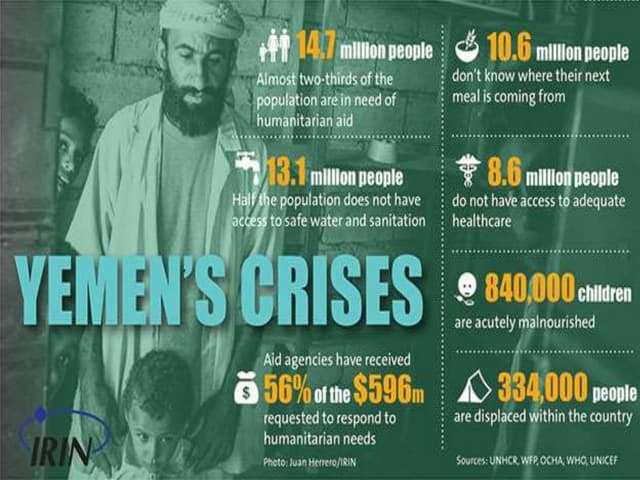
Consider the case of Aisha Al-Mansoori, the woman shackled and publicly shamed in Yemen for protesting her marriage to a man who was also her abuser. The international shock at her abuse was a superficial wave, drowned out by the narrative that women in Muslim societies were either the victims or perpetrators of “honor-based violence”—never survivors who demanded their own narratives to take shape.
The silence from Western feminist coalitions was deafening. These same organizations who preach intersectionality rarely held a firm enough mirror to their own policies: deportations, strip-searches, and the weaponization of immigration detention. Feminism wasn’t neutral: it was weaponized to justify the very systems under fire. Where was the outrage when brown women were made to prove their trauma? Or worse, when their trauma was erased by state actors under the pretense of combating “extremism”?
—
The Silence That Wasn’t: Oral Histories We Need to Hear
It’s time to demand what we have been denied: the stories of women like the Afghan mothers who risked bombs to teach their daughters in secret. We must hear the whispers from detainees at Guantánamo who described being systematically shamed for their religions while the world focused on “terrorist” men. We must listen to the African refugee women who were tested for AIDS to “assure” that their children would be “protected” from the “backward” practices of their nations of origin.
The silence isn’t a void—it’s a burial site. But we’re digging up. Each revelation sheds light on systemic erasure, exposing the truth that brown and Muslim women weren’t just passive players in this war—they were its most relentless opponents, their resistance met with the most ferocious suppression.
—
Turning the Tide: What It Takes to Unveil History
The war on brown women’s bodies wasn’t just fought with drones and detainment; it was a psychological warfare, a surgical removal of self-worth. Reckoning begins with naming it—not as a conflict confined to war zones, but as a global, continuous assault on dignity.
The cure isn’t just another conference table negotiation—it’s a revolution of the listening ear. We must reject the false dichotomies that pit brown women against colonial progress: their resistance is the bedrock of feminism’s future. Without their stories, we ignore the fact that the true “terrorists” were never faceless militants, but the systems that made them an example worth fighting.
The Global War on Terror wasn’t just a war on terror. It was a war on the bodies that were to be the world’s last line of defense—and lost. Their fight to reclaim their own narratives now becomes our mandate.