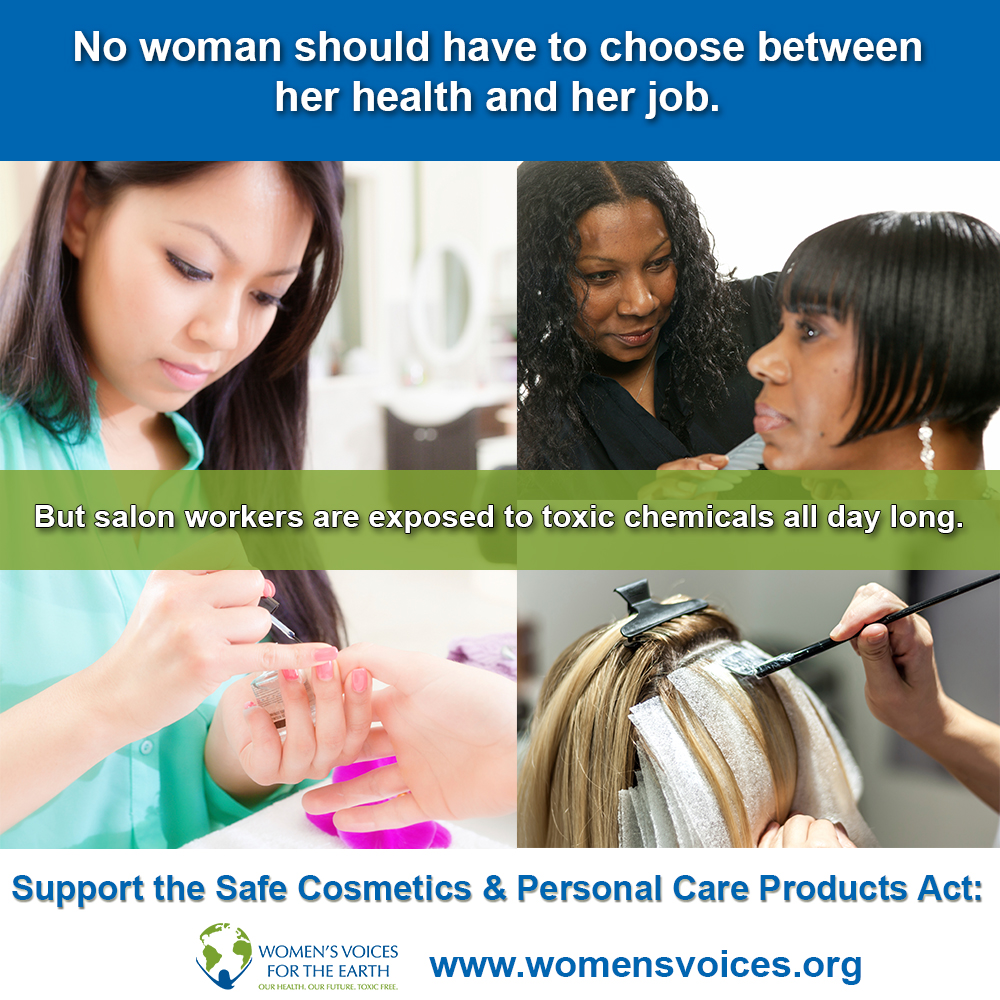
In the dazzling world of beauty and glamour, the unseen narratives often unravel a far grimmer reality. Behind the polished nails, vibrant hues, and luscious locks lies a workforce that is frequently marginalized, undervalued, and subjected to hazardous working conditions. Salon workers—many of whom are women of color and immigrants—are ensnared in a complex web of intersectional labor dynamics that capitalism conveniently cloaks in the semblance of glamour. This exposé illuminates the harrowing truth: toxic chemicals invade their workplaces daily, and their compensation rarely exceeds $15 an hour. The convergence of feminism and labor rights is pivotal here, spotlighting how marginalized identities compound the exploitation and health risks these workers confront.
The Intersectionality of Feminism and Labor in Salon Work
Intersectional feminism refuses to view womanhood through a monolithic lens. It acknowledges how race, class, nationality, and immigration status intricately shape a woman’s experience, particularly in labor sectors. Salon work, predominantly staffed by women from diverse racial and ethnic backgrounds, epitomizes this convergence. These workers navigate multiple systems of oppression simultaneously, often invisible to broader feminist discourse which frequently centers on middle-class white women. If feminism truly aims to champion genuine equality, it must reckon with the specific injustices faced by salon workers—who embody an intersection of gendered, racialized, and economic exploitation.
The Silent Epidemic: Exposure to Toxic Chemicals
Step into any salon, and you enter a chemical minefield masked by scents of floral perfumes and nail polish. Salon workers are daily inundated with a cocktail of volatile organic compounds (VOCs), formaldehyde, phthalates, and other carcinogens. Chronic inhalation and dermal exposure to these substances precipitate an alarming range of health afflictions—from respiratory diseases and skin disorders to reproductive health problems and cancers. Unlike industrial workers who often have rigorous safety standards enforced, salon employees frequently lack sufficient protective equipment or regulatory oversight. This systemic neglect underscores a blatant disregard for their well-being, reaffirming that their bodies are mere tools for economic gain rather than human vessels deserving care.
Economic Exploitation Under the Guise of Empowerment
The beauty industry peddles narratives of empowerment and self-expression, yet beneath this glossy veneer lies economic exploitation. Many salon workers earn barely above minimum wage—approximately $15 per hour in many regions—while enduring long hours and inconsistent work schedules. Tips supplementing income can be unpredictable and insufficient to alleviate financial precarity. This economic model exploits predominantly immigrant women workers who have limited alternative employment opportunities due to language barriers or immigration status. The myth of empowerment sold by the industry conveniently obscures the systemic labor inequities that entrench poverty and stifle upward mobility for these workers.
Regulatory Gaps and the Myth of Workplace Safety
One might anticipate that government bodies diligently enforce health and safety standards in professional settings. However, the beauty industry often exists in a regulatory limbo. Existing policies are fragmented and inconsistently applied, especially in smaller, independently owned salons where most workers are employed. Many salon workers operate without access to reliable personal protective equipment, ventilation systems, or educational resources about chemical hazards. Furthermore, fear of retaliation, deportation, or job loss discourages these workers from advocating for safer workplaces. This regulatory void exemplifies how legal frameworks fail to protect some of society’s most vulnerable laborers.
The Lingering Stigma and Invisibilization of Salon Workers
Salon workers, despite their critical role in an industry grossing billions, endure societal invisibility and stigmatization. Their labor is often trivialized as unskilled or “easy,” undermining the specialized knowledge required to safely and effectively undertake these services. This stigmatization exacerbates their marginalization, making advocacy and policy reform efforts more challenging. When combined with racial and gender prejudices, salon workers find themselves at the margins of social consciousness, their voices muffled by societal disregard and economic immobility.
Pathways to Change: Collective Action and Policy Reform
Empowering salon workers demands a two-pronged approach: grassroots collective action and structural policy reform. Worker-led unions and advocacy groups have started mobilizing, challenging unsafe working conditions and advocating for living wages. These organizations highlight the necessity of culturally sensitive political representation that recognizes the unique realities of salon laborers. Simultaneously, policymakers need to enact comprehensive chemical safety regulations specific to salons, mandate employer-provided protective equipment, and enforce wage parity. Without systemic interventions that prioritize worker dignity over profit margins, the status quo endures—at great human cost.
Reimagining Beauty Through an Ethical and Intersectional Lens
Ultimately, transforming the narrative surrounding salon workers also means reimagining the beauty industry as a site of ethical labor practices and genuine inclusion. Consumers wield considerable power; their demand for transparency and ethical sourcing can disrupt exploitative models. Brands must be held accountable—not solely for the aesthetic perfection they offer but for the human cost embedded in their supply chains. An intersectional feminist approach compels a redefinition of beauty not as a commodified façade but as an equitable ecosystem where every worker’s rights and health are inviolable.
Conclusion: The Urgent Imperative for Solidarity and Awareness
In dissecting the intersectional labor realities of salon workers, the urgency to dismantle systemic injustices becomes glaringly evident. Feminism that neglects these laborers’ plights is incomplete and exclusionary. The pervasive presence of toxic chemicals, economic marginalization, inadequate regulation, and societal invisibility demands sustained attention and unwavering solidarity. Elevating salon workers’ voices is not merely an act of charity—it is an indispensable step toward a just and inclusive movement that honors the dignity and humanity of all women workers, especially those too often relegated to the shadows.