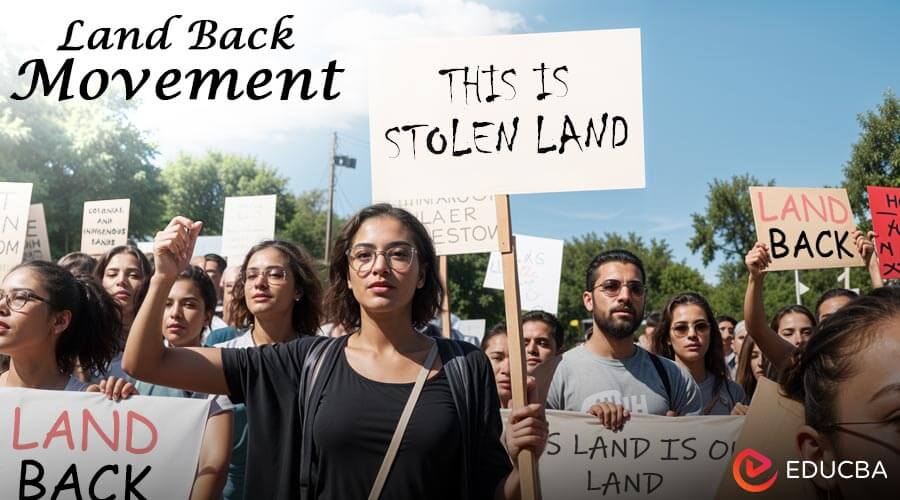
At first glance, the Land Back Movement might seem like a singular cause about reclaiming stolen territories. But delve deeper and you find it throbbing with feminist ideals, challenging patriarchal colonial structures that have violently uprooted indigenous women for centuries. This movement is not merely about geography; it’s a resounding declaration of autonomy, identity, and survival in the face of systemic erasure. It demands a fundamental reimagining of power—one that recognizes the intersection of colonization, gender, and land dispossession as inseparable threads in the fabric of injustice.
The Intersection of Feminism and Indigenous Sovereignty
Feminism, in its most radical form, seeks liberation from oppression and dismantling of hierarchical dominance—principles deeply embedded in the Land Back Movement’s ethos. Indigenous feminism transcends Western feminist narratives by centering land as a living, breathing entity intertwined with identity and well-being. Here, sovereignty is not just political—it’s environmental, spiritual, and corporeal. The Land Back Movement acknowledges that reclaiming land is reclaiming bodies, cultures, and memories, especially those of indigenous women who have historically been the most vulnerable to colonial violence.
Reclaiming Land, Reclaiming Power
Colonialism thrived on the ruthless invasion and occupation of lands, disrupting indigenous kinship networks with the earth and each other. Historically, indigenous women were custodians of the land, stewards of natural resources, and keepers of traditional knowledge. The Land Back Movement is a reclamation of this matriarchal stewardship, a refusal to accept patriarchal property laws that have fractured indigenous autonomy. It posits land as more than a commodity; it is a source of life, ceremony, and identity that only Indigenous women and communities can truly safeguard.
Gendered Violence as a Symptom of Colonization
Feminist critique within the Land Back Movement illuminates the horrifying epidemic of violence committed against indigenous women, girls, and Two-Spirit peoples. This violence is inseparable from land dispossession—it is structural and symbolic. Colonizers sought not only to control land but to annihilate indigenous femininity itself as an act of domination. Therefore, securing land rights is inherently linked to combating gendered violence. The Land Back Movement demands accountability and restoration, framing justice not as punitive but regenerative and deeply rooted in indigenous feminist values.
Environmental Feminism and Land Restoration
Ecological devastation disproportionately impacts indigenous women who often serve as environmental defenders. The Land Back Movement’s feminist dimension encompasses environmental stewardship, emphasizing the symbiotic relationship between women and the land. It pushes against extractive capitalism and patriarchy that exploit natural resources without regard for indigenous wisdom. By restoring lands to indigenous hands, the movement invigorates a form of environmental feminism that respects life cycles, biodiversity, and intergenerational knowledge often sidelined in mainstream environmental discourse.
Storytelling: Indigenous Women’s Voices at the Forefront
Voices of indigenous women within the Land Back Movement resonate with urgency and poignancy. Their stories challenge dominant narratives that marginalize or erase indigenous sovereignty and contributions. Feminism in this context means amplifying these voices—promoting narratives that reveal the resilience, resistance, and regenerative power of indigenous communities. Through poetry, oral histories, and digital activism, indigenous women re-center their lived experiences, weaving a tapestry that powerfully contradicts colonial silencing.
The Role of Community and Collective Feminism
The Land Back Movement operates through a collective feminism that underscores communal strength over individual achievement. Indigenous feminism rejects the notion of competition and individualism often associated with Western feminist frameworks. Instead, it emphasizes relationality, mutual aid, and holistic healing. Returning land is a communal act—a reclamation of relationships between people, the earth, and the cosmos. This community-centered approach challenges capitalist and patriarchal structures that pit individuals against one another and degrade the planet.
Political Activism and Feminist Resistance
At its core, the Land Back Movement is a fierce form of political activism energized by feminist resistance. Indigenous women lead protests, legal battles, and policy advocacy that question the legitimacy of state frameworks that have historically ignored or suppressed their rights. Feminism here is not confined to gender politics but involves radical demands for sovereignty, reparations, and systemic transformation. The movement insists that true liberation requires dismantling colonization in all its forms—legislative, social, and cultural.
Education as a Feminist Tool Within Land Back
The feminist spirit of the Land Back Movement extends into education, fostering awareness about indigenous histories, rights, and environmental justice. Indigenous women activists and educators challenge curricula that have long perpetuated erasure and misinformation. This re-education is a subversive act designed to decolonize minds and empower future generations. It broadens feminism to include cultural survival and environmental guardianship—a holistic knowledge system central to the movement’s success.
Conclusion: The Land Back Movement as Feminist Revolution
More than a political struggle, the Land Back Movement is a feminist revolution. It uproots centuries of colonial patriarchy by demanding that indigenous women—keepers of ancestral knowledge and future vision—reclaim their rightful places as leaders and protectors of their lands. It proposes a radical redefinition of power, justice, and ecology that challenges Eurocentric paradigms. In this weaving of feminism and land sovereignty, the Land Back Movement offers a fierce, necessary road towards healing and reclaiming dignity, for indigenous peoples and the earth itself.