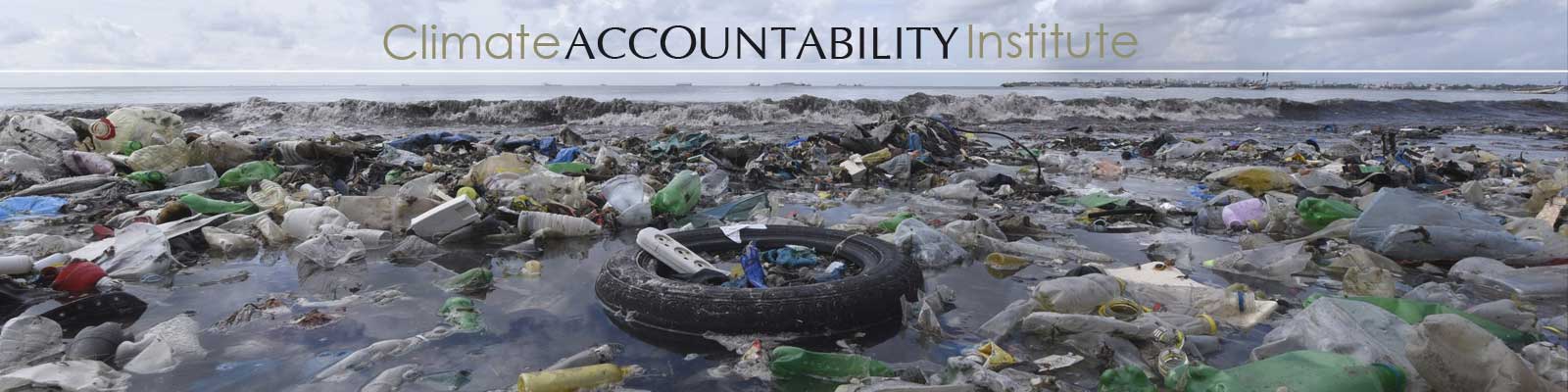
It is a moment rife with paradox: while the global elite continue to expand their carbon empires, a flooded village downstream grapples with the devastating consequences of their indulgence. This cruel juxtaposition holds a mirror to our collective conscience, exposing the chasm between environmental transgressions and human resilience. Feminism and climate accountability intersect brilliantly here, revealing not just ecological injustice, but a broader pattern of systemic imbalance. Why does society fixate on the titans of pollution while the victims, often women in marginalized communities, remain obscured? The intrigue lies in the intricate dance of power, responsibility, and resistance.
The Carbon Footprint of the 1%: An Unseen Leviathan
Within the shadows of gilded towers and sprawling mansions lies a staggering truth: a mere fraction of the global population is responsible for a monumental share of carbon emissions. This 1%, the carbon majesty of the world, operates largely unhindered, their luxurious lifestyles interwoven with excess consumption and environmental disregard. Private jets, mega-yachts, sprawling estates, and high-end consumerism amalgamate into a formidable ecological footprint that dwarfs the average citizen’s impact. These carbon footprints are not just abstract data points; they are the bellwethers of an unsustainable status quo.
The conspicuous consumption of the elite breeds an insidious form of ecological privilege. It’s an apex predator in the ecosystem of emissions—one that leaves a disproportionate ruin in its wake. Their influence stretches beyond simple pollution metrics; they manipulate markets, shape policies, and redirect the inertia of global sustainability efforts. They commodify climate solutions, turning them into lucrative ventures rather than systemic reforms. In doing so, they perpetuate a cycle where accountability is elusive, and the carbon titans, cloaked in corporate veils, continue to pollute with impunity.
The Flooded Village: Frontline Feminism in the Face of Climate Disaster
Meanwhile, in a flooded village far from the limelight, the consequences of this unchecked pollution unfurl with brutal immediacy. These communities, often an afterthought in global discourse, are the true battlegrounds of the climate crisis. Women here bear the disproportionate burden—navigating not only rising waters but also fractured social structures that demand resilience without recompense.
Women in these flood-ravaged regions embody an intersectional frontline. They manage household survival, secure dwindling resources, and broker aid amidst chaos. Their knowledge, often dismissed by patriarchal narratives, is a vital lifeline. Yet, their voices are frequently drowned out by the cacophony of global climate politics—where the carbon footprint of the privileged is dissected in meeting rooms, and the flooded village remains a sidebar in headlines.
Feminism and Climate Accountability: An Intersectional Struggle
Feminism, at its core, confronts structures of power and inequality. This philosophical lens sheds indispensable light on climate accountability by underscoring the gendered dimensions of environmental degradation. Climate justice is inherently feminist because it challenges the hierarchical frameworks that enable both gender oppression and environmental exploitation.
Embedding feminist principles within climate accountability initiatives demands a recalibration of global priorities. It insists on centering those most affected: women from marginalized communities, often indigenous and rural, whose relation to the environment transcends commodification. Their stewardship embodies sustainable paradigms overlooked by mainstream climate strategies, which too often prioritize market-friendly solutions over holistic resilience.
Why Society Obsesses Over the Carbon Emissions of the Elite
There’s an undeniable fascination with the carbon giants. Media narratives routinely spotlight the lavish excesses of billionaires and corporate behemoths. This obsession, while warranted, needs scrutiny beyond the superficial intrigue. It represents society’s struggle to grapple with systemic injustice—a subconscious attempt to identify and vilify the face of climate catastrophe.
Yet, the fixation on the elite’s carbon excess diverts attention from the structural complexities that allow such inequalities to fester. It’s easier to demonize an individual than to dismantle a global order that prizes accumulation over sustainability. The spectacle of elite carbon footprints provides a tangible antagonist, but this narrative risks absolving complicity within the broader system—governments, corporations, and consumers alike.
Unveiling Deeper Layers: Power, Privilege, and Resistance
Beneath the observable excess lies a web of entrenched power relations. The 1% wield influence that transcends pollution, shaping policy frameworks and controlling narratives. Their carbon footprints are surrogates for broader environmental and social domination. Feminist climate activism exposes these layers, demanding not just emission reductions but radical redistribution of power.
The flooded village becomes emblematic of resistance—not mere victimhood. Women there do not passively endure but challenge, innovate, and envision futures outside of ecological collapse. These acts of defiance, often unnoticed, confront entrenched structures that privilege wealth over wellbeing.
Reimagining Climate Accountability Through Feminist Lenses
To catalyze genuine change, climate accountability must intertwine with feminist activism. This synergy envisions not only reduced emissions but also dismantled hierarchies of oppression. It requires accountability mechanisms that are transparent, intersectional, and empower those historically excluded from the climate conversation.
Technocratic approaches falter because they overlook the social fabric—the intricacies of gender, race, and class interdependencies. Feminist climate accountability insists on inclusivity in both decision-making and benefits. It valorizes local knowledge, prioritizes restitution, and challenges the neoliberal logic that treats nature and people as commodities.
Conclusion: Bridging Worlds to Forge Sustainable Futures
The dissonance between the carbon footprint of the 1% and the flooded village is a call to reckoning. Beyond outrage and fascination lies a profound opportunity—to intertwine feminism and climate accountability in a bold reimagining of justice. It is a challenge to unmask the invisible forces shaping our world, to elevate the silenced, and to rewrite narratives that have long privileged the powerful. Real sustainability emerges when the floodwaters recede not only from devastated villages but also from the oppressive structures that catalyzed the crisis.