What if reparatory justice wasn’t just about cashing in a historical IOU but about unraveling the very fabric of systemic injustice that still binds us today? From the ghostly echoes of the transatlantic slave trade to the cold, unforgiving cells of mass incarceration, feminism offers a provocative lens through which to interrogate, disrupt, and redefine reparatory justice. The question is not merely about playing catch-up with history’s debts but about challenging the symbiotic relationship between racial capitalism, patriarchy, and carceral state machinery. Ready to rethink reparations beyond the usual ledger? Let’s dive in.
Reparatory Justice: Beyond Monetary Compensation
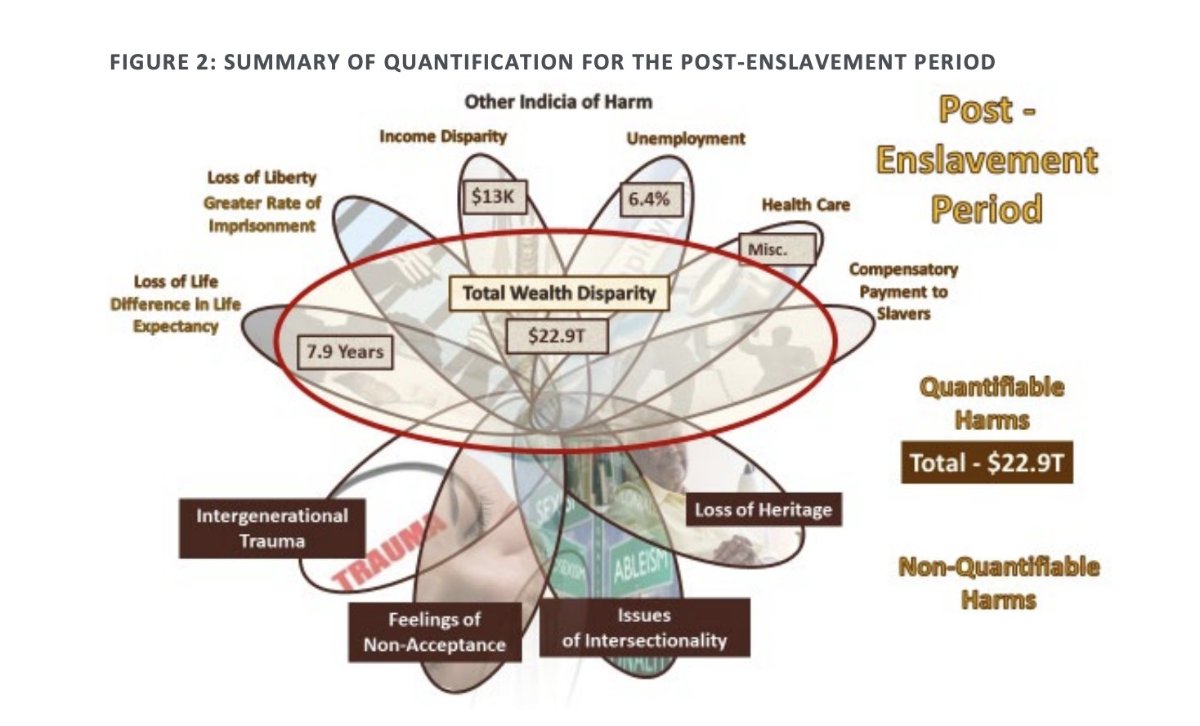
Reparatory justice is often reduced, perhaps too conveniently, to a transactional demand: money for suffering, checks for centuries of exploitation. But this reductive approach does a disservice to the radical potential embedded in reparations. True reparations are about systemic transformation, about dismantling the architectures of oppression that enable violence and erasure to persist. At its core, reparatory justice calls for accountability not just to the ancestors who endured the horrors of the transatlantic slave trade, but to those alive now who face the consequences of that enduring legacy. This means unraveling the threads of racialized capitalism, addressing educational inequities, healthcare disparities, and perhaps most urgently, the ongoing crises of mass incarceration.
The Feminist Imperative: Centering Intersectionality
Why does feminism matter in this conversation? Because feminism, particularly its intersectional iteration, exposes how systems of race, gender, and class oppression intersect to create unique forms of disenfranchisement. Too often, reparatory justice frameworks have sidelined women, especially Black women and femmes, whose experiences of structural violence are compounded, yet remain underacknowledged. A feminist approach refuses to let reparations be a privilege served selectively. It insists on accounting for gendered violence, reproductive injustices, and the labor—invisible and otherwise—that has historically upheld systems of exploitation. In doing so, feminism demands reparatory practices that are as multifaceted as the histories they seek to redress.
From Chains to Cages: The Continuum of Racialized Oppression
The transatlantic slave trade and mass incarceration may seem temporally and contextually distinct, but they exist on a continuum of racialized social control. One brutally forced Black bodies into forced labor, the other cages Black bodies under the guise of criminal justice. Feminism unravels how this continuum perpetuates patriarchal control, stripping agency from marginalized bodies. Mass incarceration, with its disproportionate impact on Black communities, functions as the contemporary slavery, hiding behind laws and policies that maintain racial hierarchies. Reparatory justice must therefore confront not just historical atrocities, but the ongoing mechanisms—like mandatory minimum sentencing and prison privatization—that perpetuate systemic harm.
Reparations as Radical Transformation, Not Token Tribute
The spectacle of reparations risks becoming a sanitized token—a grand gesture that placates rather than provokes change. Feminism, especially in its emancipatory iteration, disrupts this narrative by proposing reparations that are fundamentally structural. It’s an invitation to reimagine economies, to reconfigure educational institutions, and to reestablish community-based safety nets that prioritize healing over punishment. Reparations, in this sense, equip marginalized communities not merely to survive, but to thrive as architects of their own futures. This means redirecting resources away from punitive systems and into social programs that honor dignity and autonomy.
The Challenge of Collective Responsibility and Healing
Here’s the provocative challenge: Can society muster the collective resolve to embrace reparatory justice as an ongoing, shared responsibility rather than a periodic transactional fix? Feminism insists that reparations are not about finger-pointing but about communal accountability. The challenge lies in mobilizing not only material resources but moral imagination—envisioning a society where equity is not exceptional but foundational. This requires uncomfortable reckonings with history, confession of injustice, and active participation from those complicit in sustaining inequity. Healing, then, becomes a radical act of mutual acknowledgment and sustained commitment rather than fleeting sympathy.
Decolonizing Reparatory Frameworks through Feminist Praxis
Decolonization and feminism intersect powerfully in reconstructing reparatory justice. Both critique the legacy of colonial violence and patriarchal domination entrenched in modern institutions. Decolonizing reparations means calling into question Western legalistic frameworks that often fail to capture indigenous and diasporic peoples’ lived realities. Feminist praxis enriches this decolonization by centering voices traditionally excluded from reparations debates: queer bodies, disabled persons, and women whose labor and suffering have been invisible. A decolonized, feminist reparatory practice thus refuses homogenization and insists on pluralistic, community-rooted solutions.
Imagining the Future: Reparations as Revolutionary Praxis
So what does the future of reparatory justice look like when viewed through a feminist, intersectional lens? It is inherently revolutionary. It demands not just the redistribution of material wealth but a radical rethinking of how justice is conceived and embodied. Imagine restorative justice circles replacing courtrooms obsessed with punishment. Imagine policies that invest in expanding reproductive justice, environmental justice, and educational equity as integral to reparatory models. Imagine a society where liberation is collective and ongoing. Feminism’s gift to reparatory justice is this expansive horizon—an insistence that the struggle for reparations is inseparable from the struggle for liberation itself.
The question remains: Are we ready to face reparatory justice as a continuous, disruptive force that unsettles complacency and demands transformation from the transatlantic slave trade to the modern prison-industrial complex? Or will reparations remain a sleepy nod to history, never quite stretching into the radical possibilities feminism envisions? The choice, however uncomfortable, is ours to make.