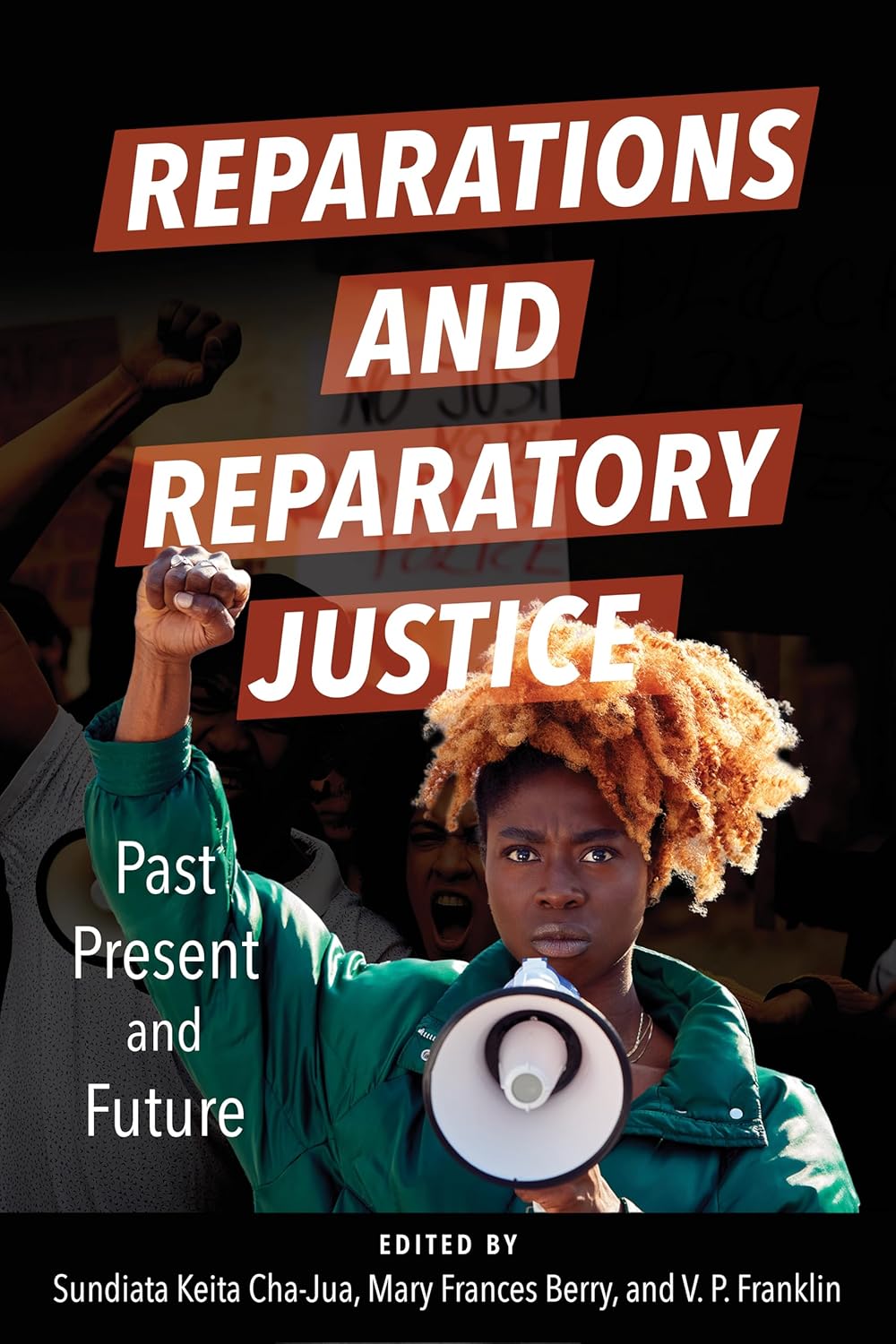
In the evolving discourse of feminism and social justice, the call for reparatory justice stands as a compelling challenge to the conventional narrative of equality. While equal opportunity has been championed as the ultimate objective of feminist movements and broader social reforms, it remains an insufficient remedy for the deep-seated injustices woven into historical and systemic oppression. The distinction between equal opportunity and reparations is not merely semantic; it is a profound divergence in understanding what justice truly demands. This exploration dissects why the pursuit of equal opportunity, though vital, cannot substitute the imperative for reparations within feminist frameworks and beyond.
The Illusion of Equal Opportunity as Justice
At first glance, equal opportunity appears to be a straightforward, equitable demand—everyone should start at the same line, governed by the same rules. However, this premise dangerously oversimplifies the entrenched disparities that shape contemporary realities. The illusion lies in treating all subjects as if they emerge from a vacuum, unmarked by history or systemic bias. Feminist theory exposes the fallacy of this assumption by illuminating how gender, race, class, and intersectional identities influence access to resources, education, and social capital. Equal opportunity may level the playing field superficially, but it fails to rectify the uneven terrain forged by centuries of exploitation, disenfranchisement, and marginalization.
Understanding Reparatory Justice: Beyond Compensation
Reparatory justice transcends mere monetary compensation or symbolic gestures—it is an active, transformative process aimed at redressing past harms and dismantling the structures that perpetuate inequality. Feminism demands a reparatory approach that acknowledges the cumulative trauma and dispossession experienced by women, especially those belonging to marginalized communities. This form of justice insists on concrete actions: restoration of dignity, redistribution of power, and institutional reforms that reflect an honest appraisal of history’s wounds. Reparations call for accountability, not just in individual terms but as a systemic obligation to reforge the social contract more equitably.
The Historical Context: Why Reparations Matter
To grasp the urgency of reparatory justice, one must delve into history’s unforgiving ledger. The exploitation of women of color through slavery, colonialism, and patriarchal domination creates a legacy that pure equal opportunity policies fail to rectify. Feminist reparatory justice highlights how historical injustices have compounded disadvantages—economically, socially, and politically. Without acknowledging and addressing this past, efforts to promote equality risk perpetuating cycles of inequity. The call for reparations is a demand that society confront both its history and its present inequalities with unflinching honesty.
Intersectionality and Its Role in Reparatory Justice
Any meaningful feminist discourse on reparations must grapple with the nuances of intersectionality. Identities do not exist in isolation—race, gender, class, sexuality, and ability intersect, creating complex layers of oppression and privilege. Reparatory justice must reflect this complexity, providing tailored redress that recognizes specific historical and contemporary harms faced by different groups of women. Intersectionality ensures that reparations go beyond generic solutions, addressing particular vulnerabilities and systemic exclusions that uniform equal opportunity initiatives often overlook.
Practical Dimensions of Feminist Reparatory Justice
Reparations in feminist activism span various forms, from public apologies and educational reform to economic restitution and policy overhaul. Each dimension serves as a piece of the multifaceted puzzle required to achieve true justice. Economic reparations may involve targeted investments in marginalized women’s communities to undo centuries of wealth extraction. Educational reforms aim to rewrite curricula that erase women’s contributions and struggles. Legal and institutional reforms seek to dismantle pervasive biases that sustain gendered inequality. These interwoven strategies illustrate that reparatory justice is an ongoing, dynamic commitment—a refusal to settle for symbolic equality when material justice remains elusive.
Challenges and Controversies Surrounding Reparations
Reparatory justice, while morally compelling, is not without its formidable critiques and obstacles. Opponents argue that reparations are impractical or divisive, a perspective steeped in a desire to maintain the status quo. Feminist advocates counter these objections by asserting that justice delayed is justice denied. The challenge lies in navigating political inertia, societal denial, and the complexities of implementing reparations in a pluralistic society. Moreover, the controversy serves as a mirror reflecting deep societal discomfort with confronting systemic wrongs and the redistribution of privilege and resources.
The Future of Feminist Movements: Integrating Reparations
Looking forward, the feminist movement’s vitality depends on its willingness to embed reparatory justice into its core agenda. This integration signifies a radical reimagining of justice—one that embraces historical truth and radical accountability. Feminism’s future path must transcend the incrementalist demand for equal opportunity and instead champion transformative restructuring that propels society toward genuine equality and healing. Reparations, then, are not concessions but a form of empowerment and reclamation necessary for the full realization of feminist ideals.
Conclusion: Embracing Reparations as Feminist Imperative
The narrative of equal opportunity, despite its popularity, remains an incomplete framework for addressing the profundity of historical and systemic inequality. Feminist reparatory justice challenges this narrative by insisting on a deeper reckoning—one that acknowledges past injuries and secures tangible pathways for restitution and empowerment. True justice demands nothing less than the courage to confront painful histories and the commitment to reconstruct society on foundations of equity and integrity. Only through reparations can feminism fulfill its promise of dismantling oppression and forging a future where equality transcends rhetoric and becomes reality.