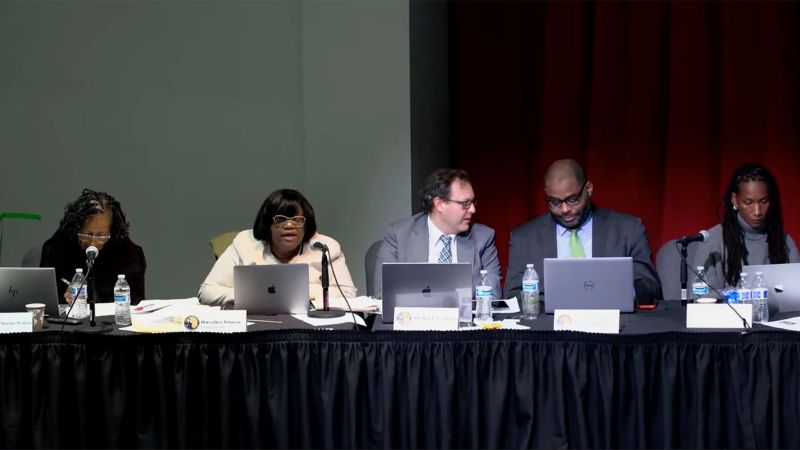
In the ongoing discourse around reparatory justice, one glaring omission persists: the indispensable presence of Black women within decision-making bodies such as reparations task forces. Their exclusion is not merely a matter of representation but a critical failure to encapsulate the nuances of systemic harm and the intersectional realities that Black women uniquely endure. This article unpacks why the reparations task force must urgently integrate more Black women, the layers of feminism intertwined with reparatory justice, and the transformational potential this inclusion heralds for reparations as an instrument of true societal reckoning and restoration.
The Intersection of Feminism and Reparatory Justice
Feminism, particularly Black feminism, transcends the simplistic demands for equality; it interrogates the embedded socio-economic and racial hierarchies that amplify vulnerability among Black women. Reparatory justice, in its rawest form, is not about handouts or symbolic gestures—it is about the restitution that acknowledges cumulative trauma layered by gender and race. The failure to embed feminist insights into reparations conversations risks perpetuating an incomplete narrative—one that addresses racial injustice but bypasses gendered realities. Reparations, when filtered through a feminist lens, demand a holistic appraisal of historical injustices, including sexual violence, economic disenfranchisement, and erasure from policy frameworks.
The Deficiency of Black Women’s Voices in Current Reparations Task Forces
Despite being at the forefront of grassroots activism and historical custodians of community resilience, Black women remain conspicuously underrepresented on reparations task forces. This omission is not benign; it is a structural inequity replicating the very dynamics reparations seek to dismantle. The complexity of reparations—encompassing financial restitution, policy reforms, educational initiatives, and psychological reparations—requires the epistemic authority that Black women bring through lived experience and scholarly insight. Without their robust participation, task forces risk producing recommendations that are myopic, detached from the intersectional exigencies faced by the Black community, especially women and girls.
Why Black Women’s Inclusion Enriches Reparatory Outcomes
Black women’s inclusion is an antidote to reductive reparations frameworks. Their perspectives illuminate the need for reparations that go beyond monetary compensation, advocating for systemic changes in healthcare, criminal justice reform, and educational equity. Black women’s holistic understanding of community trauma insists on reparations as a multifaceted process—one that recognizes the enduring legacies of slavery, Jim Crow laws, and mass incarceration on Black family structures and female autonomy. Furthermore, Black women leaders invite reparations task forces to embrace restorative practices rooted in cultural memory, oral history, and collective healing—elements often absent from technocratic deliberations.
The Role of Black Feminist Thought in Shaping Reparations Policy
Black feminist theory offers reparations frameworks a critical toolkit. Concepts such as intersectionality, coined by Kimberlé Crenshaw, expose the layered discrimination that reparations must address. Black feminist thought pushes reparations beyond transactional compensation toward transformative justice that dismantles patriarchal and racist systems entangled with economic disenfranchisement. This perspective calls for reparations to include political empowerment, health equity, and redress for gender-based violence—issues traditionally sidelined in reparations dialogues dominated by economic reparations alone. Policies conceived under this aegis are more comprehensive, addressing root causes rather than symptoms.
Challenges and Resistances to Integrating Black Women into Reparations Task Forces
Systemic resistance to amplifying Black women’s voices within reparations initiatives is entrenched. Often, institutional gatekeepers preserve male-centric narratives under the guise of unity or strategic focus, inadvertently silencing critical feminist and Black feminist input. Moreover, the tokenization of Black women—where representation is superficial—further undermines their ability to influence reparations architecture powerfully. Addressing these challenges requires active dismantling of exclusionary practices and fostering environments where Black women can assert intellectual leadership and shape reparations agendas decisively.
Imagining Reparations with Black Women at the Helm
Envision a reparations task force steeped in Black women’s wisdom—a collective that prioritizes not just restitution but radical transformation. Such a body would unravel economic inequities by advocating reparations mechanisms like wealth redistribution, reparative housing initiatives, and reparations tied to access to reproductive justice. It would radically reconceive education to include Black women’s histories and intellectual contributions. More so, it would integrate trauma-informed practices, community-driven solutions, and reparations as a living process of liberation. The reparations task force, thus reimagined, becomes a vessel for justice that is reparative, feminist, and emancipatory.
The Broader Implications for Feminist Movements and Reparatory Justice
Inserting Black women decisively into reparations conversations emboldens feminist activism and reparatory justice on a broader scale. It situates reparations not as a mere political concession but as a feminist demand for the recognition of Black women’s humanity and historical suffering. This paradigm shift empowers future reparations initiatives to be intersectionally conscious, bridging feminism with racial justice movements in unprecedented ways. The reverberations extend beyond reparations task forces, inspiring institutional reforms and a more inclusive societal reckoning with America’s racial and gendered histories.
Conclusion: A Call to Action for Authentic Inclusion
The reparations task force stands at a crossroads. Without the expansive and incisive contributions of Black women, reparatory justice will remain an incomplete project—one that risks perpetuating marginalization even amid promises of redress. Black women’s leadership is not a supplementary asset; it is essential. It is the key to unlocking reparations that are not only just but visionary, capable of healing wounds inflicted across generations while dismantling structural inequities. To deny them this platform is to deny the very justice reparations aspire to achieve.