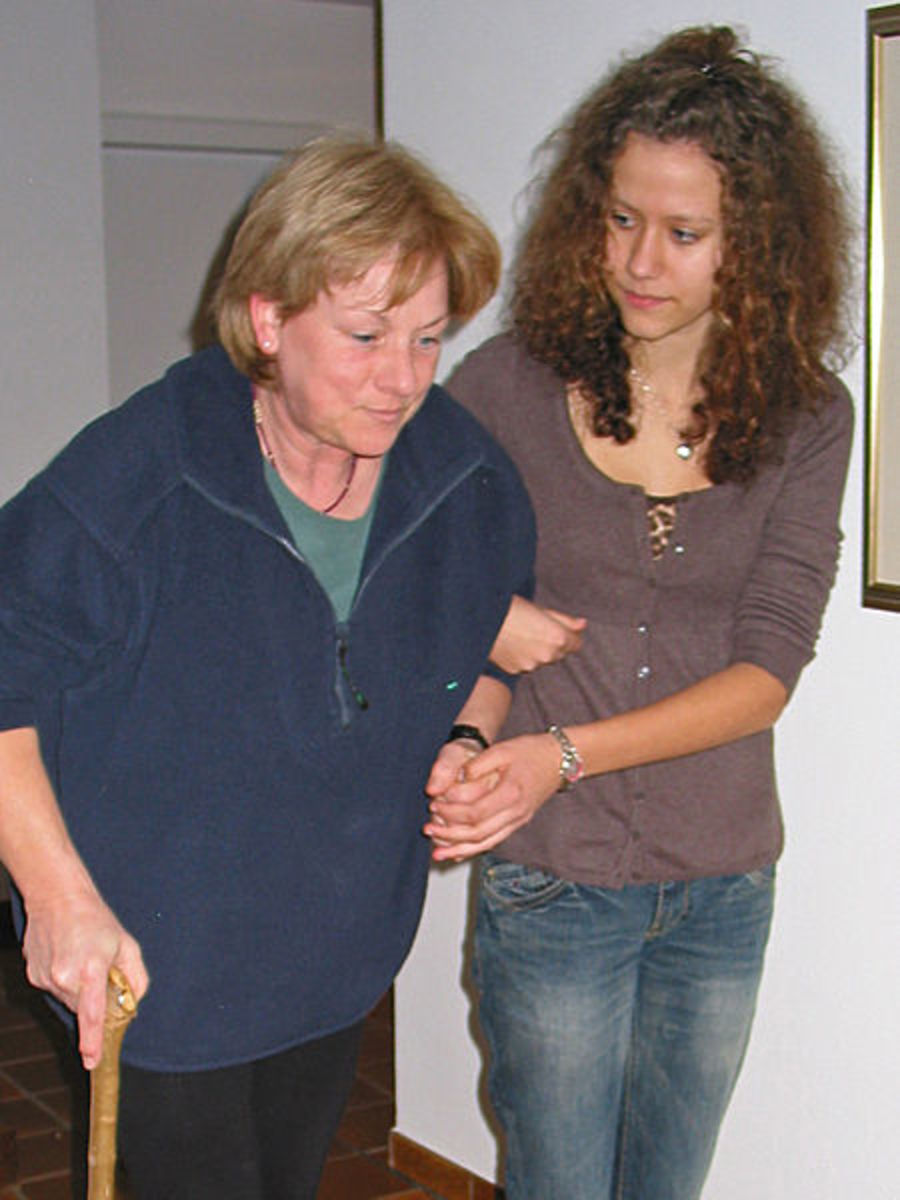
Imagine a vast, intricate tapestry—each thread a story, a struggle, a triumph. Among these threads lies one often overlooked, yet taut with tension: the paradoxical bond between feminism and the caregiving daughters who cradle aging parents. This is no mere familial duty; it is a collision of ideals, a crucible where autonomy clashes with expectation. The caregiver penalty is a weighty specter haunting daughters, an unseen tax exacted by the unyielding demands of love and labor. It is time to unravel this complex weave and expose the puissant dynamics beneath the surface.
The Caregiver Penalty: A Sisyphean Burden Cloaked in Love
The caregiving daughter’s journey resembles Sisyphus’s endless toil—an uphill push of relentless responsibilities, measured not in achievements but in sacrifice. The term “caregiver penalty” is more than a catchphrase. It describes the multifaceted losses women endure: diminished careers, eroded financial independence, fracturing mental health, and an invisible erosion of selfhood. Society romanticizes caregiving as a noble sacrifice, but beneath this veneer lurks a gnawing inequity disproportionately levied on daughters rather than sons.
The paradox lies in its voluntary veneer. The baton of care passes seamlessly from generation to generation, but for daughters, it often claims more than just time—it exacts large portions of identity and opportunity. In many families, daughters become the default custodians of aging parents, an assignment often invisibly inked by cultural expectations and gendered norms.
Feminism’s Paradox: Empowerment Entwined With Expectation
Feminism champions autonomy, freedom, and the dismantling of patriarchal constraints. Yet, it paradoxically coexists with the enduring feminine archetype of the caregiver. This archetype has become a double-edged sword—both a cherished strength and a stifling shackle. Daughters tread a labyrinth, balancing the fierce independence feminism advocates with the societal script that still molds them into primary caregivers.
This antinomy provokes profound questions. How can one claim liberation without forfeiting the call to care? Are caregiving daughters reneging on feminist ideals, or are they redefining strength on their own terms? The dissonance between public empowerment and private obligation remains unresolved, often leaving women in liminal spaces—heroes of homebound battles, yet sidelined in their professional odysseys.
The Economic Whiplash: The Career Casualties of Care
Behind the tender acts of daily caregiving lurks financial sabotage. Women who step into caregiving roles endure career derailments so severe they ripple across decades. Part-time work, missed promotions, skill stagnation—all accumulate into a treacherous economic abyss. The caregiver penalty manifests here not only as lost wages but as compromised retirement security and diminished social capital.
What is particularly striking is the invisibility of this penalty in traditional feminist discourse, which often spotlights wage gaps and workplace discrimination, yet glosses over the systemic economic toll exacted by caregiving. The daughter caught between boardroom ambitions and bedside vigils faces a unique occupational crucible, where neither identity can flourish fully without the other faltering.
Cultural Scripts and the Unseen Hand of Gendered Obligation
The caregiving daughter is often ensnared in the silent web of cultural expectations. Across countless societies, the emotional and practical stewardship of aging parents is implicitly assigned to women. The invisible hand of tradition scripts daughters into roles of nurturers, interpreters, and managers of health crises, often without reciprocation or recognition.
These scripts act like mythic sirens, luring daughters into self-effacing devotion, all while erasing the possibility of equitable distribution of care. Sons might participate but rarely bear the brunt, perpetuating a gendered cyclical contract. This uneven choreography complicates feminist efforts toward equity, revealing how deep-rooted cultural narratives can impede progressive change.
The Psychological Toll: Identity Fragmentation and Emotional Exhaustion
Beyond economics and culture, caregiving exacts a profound psychological cost. The daughter becomes a fulcrum balancing love and resentment, hope and despair. The emotional landscape morphs into a battleground strewn with grief, guilt, and the erosion of personal aspirations. Identity fragments under the weight of competing roles—child, caregiver, professional, and individual.
Burnout is rampant, but seldom acknowledged. The societal narrative glorifies the saintly caregiver, leaving little space for mourning loss of self or articulating the ambivalence that characterizes this experience. Feminism’s rallying cry for self-actualization clashes here with the unyielding demand for self-sacrifice, deepening the psychic fissures daughters endure.
Reimagining Care: Toward a Feminist Ethic of Shared Responsibility
Breaking this circuitous penalty requires radical reimagination. Feminism must expand to encompass caregiving as a collective, societal responsibility, not a privatized female burden. Policy innovations—such as paid family leave, caregiver tax credits, and workplace flexibility—must become standard pillars supporting caregiving careers.
This transformation entails dismantling antiquated gender norms and constructing a new ethic where care is valorized across genders. Sons and daughters alike must engage in caregiving not as a reluctant filial duty but as a shared human imperative. Only then can the caregiver penalty dissolve into a paradigm where empowerment and care coalesce harmoniously.
The Unique Appeal of Caregiving Daughters: Strength Beyond the Stereotype
Amid the challenges, caregiving daughters embody a unique and compelling form of resilience. Their labor is a quiet yet potent act of defiance against a system that undervalues feminine contributions. They navigate the labyrinth with grit, weaving compassion with tenacity. This is neither weakness nor mere obligation—it is a radical affirmation of agency under constraint.
Recognizing this appeal invites society to honor caregiving daughters not just as victims of the penalty but as architects of a new feminist narrative—one where bearing the burden does not eclipse brilliance, where caregiving fuels rather than fractures identity. They stand at the nexus of love and liberation, challenging us to rethink what feminism can and should be in the 21st century.
In the end, the caregiver penalty is not a static curse but a dynamic challenge, beckoning us to untangle old scripts and weave new tapestries of justice, empathy, and feminism’s relentless pursuit of freedom for all.