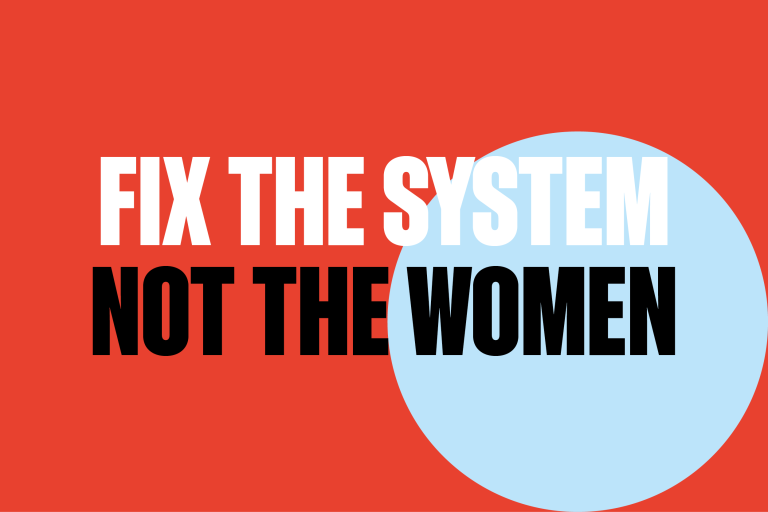
In countless conversations about gender equality, a recurring plea emerges: women need to be more resilient. Harden yourselves, and you will survive. Toughen up, and you will thrive. This notion, while seemingly empowering on the surface, is an insidious perpetuation of a broken paradigm. The problem cannot be solved by forcing individuals to adapt endlessly to adversity; the system itself demands an overhaul. The fascination with female resilience obscures the more uncomfortable truth — the structures designed to govern our societies are rife with inequities that disproportionately burden women. Instead of championing resilience as the ultimate virtue, it’s time to redirect our energies toward dismantling and reengineering the frameworks that necessitate such resilience in the first place.
The Fetishization of Female Resilience: A Double-Edged Sword
Resilience has become a modern-day mantra for women navigating professional corridors, social expectations, and personal challenges. It’s portrayed as the antidote to systemic sexism — the tenacious spirit that defies obstacles. Yet, this fetishization of resilience is a double-edged sword. On one side, it celebrates fortitude; on the other, it silently justifies the status quo. When society says, “Be resilient,” it simultaneously denies responsibility for creating conditions that demand resilience. The narrative shifts from “fix the broken system” to “fix yourself to survive the broken system.” This subtle shift is not just frustrating — it is a mechanism of oppression masquerading as encouragement.
Women who succeed despite adverse conditions are often valorized as extraordinary warriors. But this hero worship glosses over the fact that the playing field is uneven. Why should triumph require such Herculean effort? The obsession with resilience reflects a deeper social reluctance to confront uncomfortable truths. It reveals an avoidance of systemic accountability, allowing pervasive inequities to fester under the guise of “individual responsibility.”
Systemic Barriers: The Roots of the Resilience Demand
Understanding why resilience is perpetually demanded requires examining the systemic barriers that women face daily. The labyrinthine structural inequities embedded in workplaces, legislative frameworks, and cultural norms create an environment where women are perpetually tested. Wage gaps, glass ceilings, underrepresentation in leadership, and gendered expectations are not individual problems — they are systemic maladies.
Workplaces designed on antiquated masculine paradigms often disregard the realities of caregiving responsibilities, part-time work needs, or different communication styles. Laws and policies, despite progress, still frequently fail to protect against subtler forms of discrimination and bias. Social narratives continue to pigeonhole women into restrictive roles, while the supernatural resilience expected of them becomes a tacit demand to internalize failure and keep moving.
The Psychological Toll: Resilience As a Mask for Exhaustion
Constantly channeling resilience is psychologically exhausting. It operates as a mask, a performance of strength that often hides fatigue, frustration, and invisibility. Women are subtly coerced to normalize an ever-present state of hyper-vigilance, where the slightest misstep threatens career advancement or social acceptance.
Maintaining resilience in the face of systemic barriers can lead to burnout, imposter syndrome, and chronic stress. The normalization of resilience as a mandatory attribute not only risks women’s mental health but also detracts from recognizing the inherent injustice. By conditioning women to internalize resilience, society circumvents the need to address root causes, substituting systemic reform with individual endurance.
Reimagining Feminism: From Survival to Structural Transformation
True feminism must transcend the mantra of resilience and champion systemic transformation. This means demanding policies that reflect gender equity, instituting workplace reforms that accommodate diverse experiences, and challenging cultural stereotypes that constrain women’s potential.
Feminism should not be a handbook for personal fortitude alone; it must be a blueprint for structural redesign. This includes advocating for universal childcare, equitable parental leave, proactive anti-discrimination laws, and rebuilding organizational cultures that recognize and reward contributions beyond traditional metrics. Only by structurally dismantling the barriers can the emphasis on resilience diminish and be replaced with genuine equality.
Why We’re So Captivated by Resilience Stories
The fascination with tales of resilient women is deeply ingrained in our collective psyche. They provide compelling narratives of triumph against adversity, inspiring hope and admiration. However, this captivation also serves a profound psychological function — it offers a convenient distraction from systemic inertia. Celebrating resilience stories allows society to maintain a comforting illusion: that individual effort alone can overcome structural flaws.
These stories are seductive; they embody drama and heroism, which resonate emotionally. Yet, this amplifies a problematic dynamic where systemic reform remains sidelined. The allure of resilience narratives often blinds us to the fact that true progress demands dismantling rather than enduring broken frameworks.
The Call to Action: Fix the System, Not the Women
It is imperative to shift the narrative. Women should not be the ones adapting incessantly to malfunctioning systems. Instead, systems must be interrogated, challenged, and reformed. Organizations, governments, and societies owe it to all individuals to build environments where resilience is a choice, not a survival mandate.
This requires collective willpower and radical honesty. Recognizing that resilience has been weaponized is the first step. Next comes accountability — holding institutions responsible for perpetuating exclusionary practices and inequality. Empowerment should not be about enduring endless adversity but about cultivating spaces where potential can flourish unimpeded.
The time has come to stop asking women to simply be resilient. Instead, demand that the system be resilient to change, adaptable to fairness, and committed to dismantling barriers. Only then can equality cease to be a dream deferred and become a tangible reality.