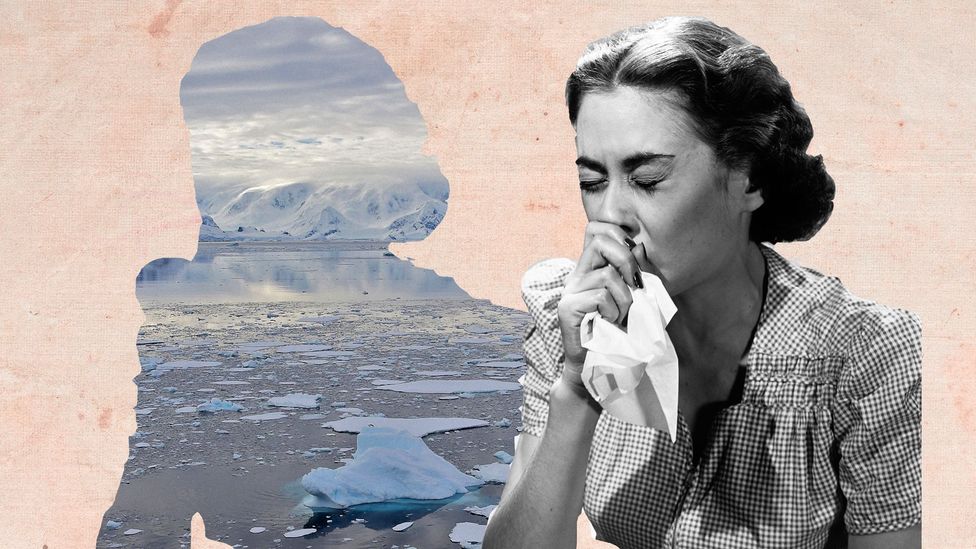
In the sprawling narrative of climate change, there’s an invisible battleground often overlooked: the emotional and psychological toll it casts on women. Feminism, more than a call for equality, emerges as a lens to decipher the complex layers of climate grief and eco-anxiety—emotions that many women silently carry. This is not merely about environmental doom; it’s a profound reckoning that demands a shift in perspective. The grief over a planet in turmoil and the anxiety over its uncertain future are not abstract emotions but visceral realities deeply entangled with gendered experiences and societal expectations. What if embracing this raw emotional terrain could galvanize a radical reimagining of both feminist thought and environmental activism?
The Confluence of Feminism and Climate Grief
Climate grief—a term once relegated to the fringes of environmental discourse—now surges front and center, pulsating with the urgency of loss and mourning. Women often bear the brunt of this grief, a sorrow that transcends individual concern to embody collective responsibility. Feminism illuminates how historical patterns of patriarchy have undermined not only women’s agency but also ecological stewardship. This confluence reveals a tragic irony: the same systems that marginalize women also ravage the earth.
Women’s intimate relationship with nature—rooted in social roles, caregiving responsibilities, and cultural ties—renders their climate grief uniquely poignant. They witness the slow destruction of ecosystems tied to their memories, livelihoods, and futures. This is grief laced with a fierce protective instinct, a maternal guardianship over both children and the environment. A feminist perspective insists we interrogate why their grief has remained marginalized and why their voices are crucial to the survival narrative.
Eco-Anxiety: Women’s Silent Epidemic
Eco-anxiety is not a trendy buzzword; it’s a complex psychological state characterized by chronic fear and helplessness regarding environmental collapse. Women disproportionately experience this distress, influenced by intersecting factors such as social conditioning, emotional labor, and exposure to environmental degradation.
Unlike traditional anxiety disorders, eco-anxiety is rooted in a collective trauma—a premonition of ecological devastation that looms large over the global horizon. Women, often cast as emotional caretakers in families and communities, absorb this anxiety in amplified ways. The relentless stream of apocalyptic climate narratives exacerbates feelings of powerlessness, feeding a cycle of emotional exhaustion.
Yet, within this anxiety lies an invisible reservoir of resilience. Recognizing eco-anxiety as a feminist issue compels us to challenge oppressive frameworks that silence or pathologize women’s emotional responses, pushing instead for collective healing and empowerment.
Intersectionality: The Gendered Face of Environmental Crisis
Eco-anxiety and climate grief do not occur in a vacuum. They are deeply intertwined with race, class, and geography. Intersectionality is indispensable in understanding how marginalized women are doubly burdened—not only by environmental degradation but also by systemic inequalities that limit access to resources and coping mechanisms.
Women from indigenous and low-income communities frequently stand on the frontlines of climate impacts, grappling with displacement, health crises, and cultural erosion. For these women, climate grief is also a lament for cultural annihilation and a fight for survival. Feminism’s promise lies in amplifying such voices—ushering in a more inclusive and radical environmentalism that refuses to compartmentalize crises.
Refiguring Agency: From Victims to Vanguard
The default narrative casts women as victims of climate change—passive receivers of its wrath. Feminism disrupts this narrative by repositioning women as agents of change, wielding eco-anxiety and grief as catalysts for activism and innovation.
Women-led environmental movements demonstrate an uncanny ability to intertwine emotional authenticity with political audacity. Their approaches frequently blend empathy with fierce advocacy—crafting solutions that are community-centered, sustainable, and justice-oriented. By refiguring agency, feminism demands recognition of women not as collateral damage but as pioneering architects of climate resilience and transformation.
Emotional Sovereignty: Valuing Climate Grief as Radical Truth
In a world that often prizes rational detachment, acknowledging climate grief and eco-anxiety as legitimate, potent emotions is revolutionary. Emotional sovereignty—asserting control and respect over one’s emotional experiences—is a feminist imperative, challenging cultural stigmas around “excessive” emotion, especially in women.
This reclamation defies the myth of climate apathy as indifference or weakness. Instead, it frames grief as an essential form of ecological literacy—one that maps the depths of loss necessary to imagine alternative futures. Valuing these emotions grants permission for more holistic and inclusive environmental dialogues, embracing vulnerability as a source of courage rather than a liability.
Toward a Feminist Environmental Ethics
The trajectory ahead requires more than merely integrating women’s voices; it demands reconstructing environmental ethics through a feminist prism. This means honoring relationality—between humans, nature, and emotion—over exploitative individualism. It entails recognizing that climate grief and eco-anxiety are not aberrations to be cured but messages to be listened to.
A feminist environmental ethic calls for policies and practices that prioritize care, justice, and equity. It insists on reparations for those disproportionately harmed and invests in strategies that nurture emotional well-being alongside ecological resilience. This ethic promises a paradigm shift: from domination to dialogue, from extraction to empathy.
Conclusion: Embracing the Uncomfortable Truth
The stories women carry about climate grief and eco-anxiety are fraught with discomfort—but therein lies their power. Embracing these unsettling truths disrupts complacency and provokes action on both intimate and systemic levels. Feminism’s role is pivotal, serving as a vanguard that refuses to separate environmental justice from social justice, feelings from facts, and people from planet.
This intricate tapestry of grief and anxiety challenges us to reimagine activism and healing as deeply intertwined processes. It beckons a future where women’s emotional truths are not just acknowledged but are fundamental to forging a sustainable world—a world where the weight of grief transforms into the impetus for radical hope.