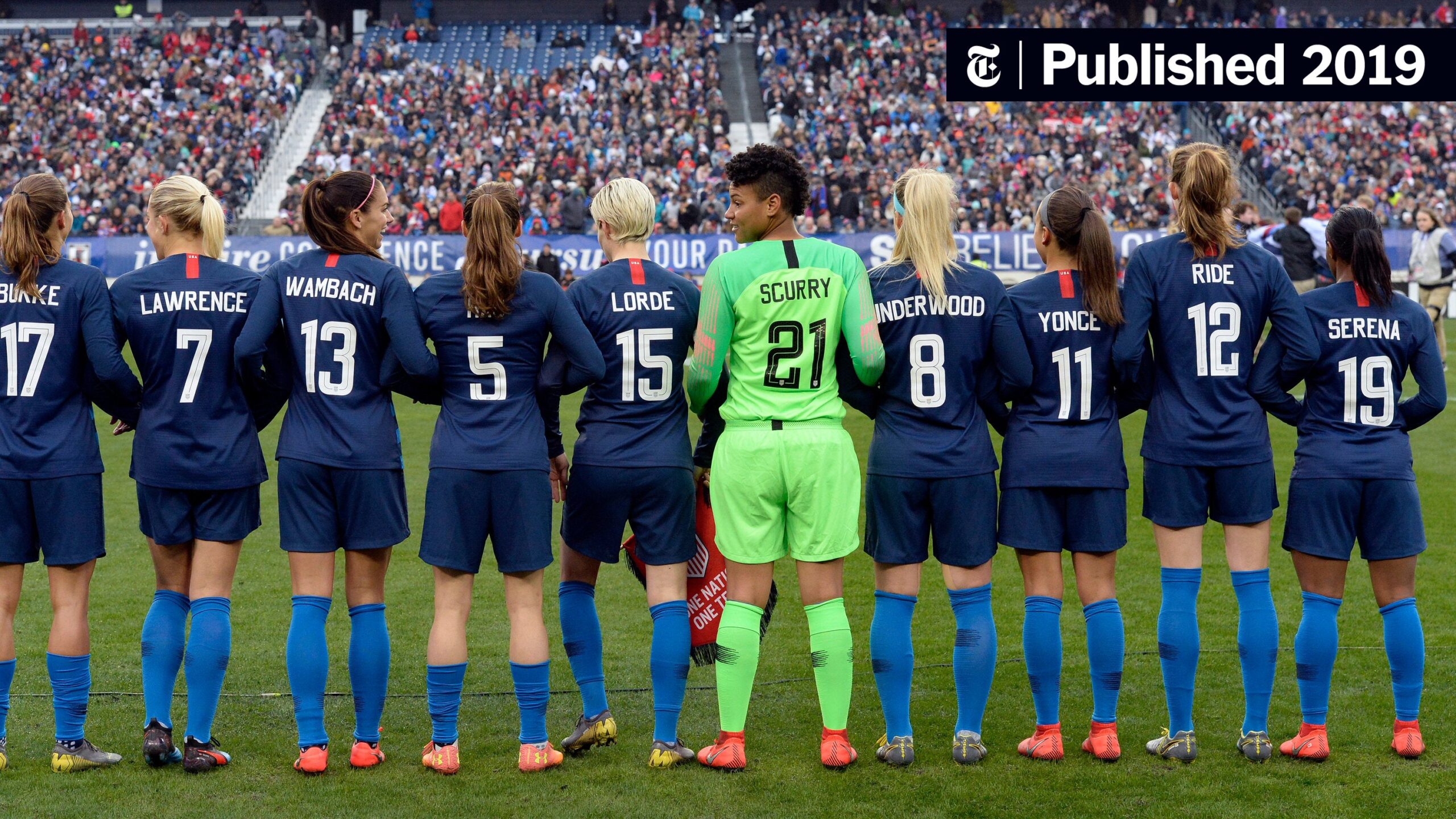
Is women’s sports truly a battlefield of debate, or is it a fundamental right shimmering just beyond the prejudiced glare of society’s gaze? This provocative question nudges us to confront the persistent societal undercurrents that not only trivialize women’s athleticism but also challenge their entitlement to equal footing on the field, court, and track. Feminism does not simply advocate for women to participate in sports; it demands their unequivocal right to be recognized, respected, and remunerated without hesitation or diminishment. Let’s dismantle the rhetoric and unmask the truth about why women’s sports are not a negotiation—they are an inalienable right.
The Illusion of “Debate”: Why Women’s Sports Aren’t Up for Argument
Why is it that women’s sports are persistently framed as a controversial topic, a debatable commodity rather than an inherent right? At the heart of this contrived dispute lies a historical tapestry woven with sexism, wage disparity, and cultural dismissal. The question itself—“Should women play sports, or receive equal coverage and pay?”—is a fundamentally flawed premise, akin to debating if breathing should be exclusive to men. Women have not only participated but excelled in sports for decades, shattering records and defying stereotypes. Yet, the mainstream narrative chooses to cast their involvement as a battle fought instead of a fact maintained.
This illusion of debate benefits a systemic status quo resistant to ceding power and visibility. It allows pundits, sponsors, and broadcasters to sidestep accountability, enabling an uneven playing field that privileges men’s sports while relegating women’s achievements to the margins. This is not an accidental oversight; it is a calculated inertia fueled by entrenched patriarchal frameworks that view women’s sports as ancillary entertainment rather than legitimate competition.
Beyond the Playing Field: Women’s Sports as a Societal Mirror
Sports are a microcosm of society’s values—they reflect what we prioritize, celebrate, and promote. When women’s sports are marginalized, it sends a reverberating message about their worth beyond athletics. Disparities in funding, media coverage, and sponsorship are not isolated issues. They reverberate through educational institutions, career opportunities, and cultural perceptions about female capability and identity.
This systemic marginalization perpetuates a pernicious cycle: young girls receive fewer resources and less inspiration to pursue athletic excellence, and society at large internalizes the illusion that women’s sports are somehow “lesser.” Challenging this entrenched bias doesn’t solely elevate female athletes; it reshapes the societal narrative around gender roles and potential.
Visibility Is Victory: Media’s Role in Amplifying or Silencing Women’s Sports
Have you ever wondered why you can name three male athletes off the top of your head but struggle to recall female counterparts? The media’s role in this selective spotlight cannot be overstated. Coverage—or the lack thereof—acts as a gatekeeper determining which sports stories claim center stage and which languish in the shadows.
Women’s sports receive a fraction of the media exposure granted to men’s leagues, which reaffirms and perpetuates public apathy. This scarcity of coverage affects sponsorship deals, fan engagement, and overall legitimacy. It’s a self-fulfilling prophecy: without visibility, there’s perceived lack of interest; without interest, visibility wanes further. Breaking this cycle demands intentional, unapologetic amplification of women’s sports, presenting female athletes as not merely subjects of novelty but as titans of their craft deserving headline status.
Economic Realities: The Pay Gap Is More Than A Number
Digging beneath the surface, the staggering wage disparity between male and female athletes is not merely an economic anomaly but a profound injustice. Women consistently earn less—sometimes exponentially less—than their male peers, even when performance metrics, viewership, and impact rival or surpass those of men. This is not a reflection of merit; it is a reflection of value assigned by power structures.
Consider the multi-million-dollar deals lavished upon men’s leagues juxtaposed against the paltry sums women receive. This economic disenfranchisement extends beyond salaries—it affects training facilities, medical care, marketing opportunities, and legacy-building. Equal pay in women’s sports is not a charity request; it is a rightful claim that demands a re-evaluation of societal priorities and economic equity.
Intersectionality: Recognizing Diversity Within the Fight for Equality
The battle for women’s sports equality is not a monolith. It intersects with race, class, sexual orientation, and global geography, complicating and enriching the discourse. Women of color, LGBTQ+ athletes, and those from underprivileged backgrounds frequently face compounded discrimination that eclipses the battle for gender parity alone.
Feminist advocacy in sports must be inclusive, acknowledging that equality is not a single dimension but a multifaceted prism. The struggles of a Black female soccer player in the United States differ markedly from those of a female cricketer in India or a transgender athlete navigating eligibility criteria. Each narrative exposes different layers of structural barriers and necessitates tailored solutions that do not conform to a one-size-fits-all approach.
The Cultural Paradigm: Redefining What Athleticism Looks Like
Why do female athletic performances often endure hypercritical scrutiny regarding their appearance, femininity, or “appropriateness?” This cultural paradigm restricts women’s sports expression under the guise of preserving traditional gender norms. Such scrutiny is a covert mechanism of control, policing bodies and spirits that refuse to conform.
Redefining athleticism means embracing diversity and dismantling stereotypes. It requires celebrating strength, endurance, and skill irrespective of gendered expectations and rejecting the antiquated myth that women’s bodies belong to an entirely separate, lesser category of athletic potential. Doing so enriches the sporting world and challenges society’s narrow definitions of beauty, capability, and success.
Mobilizing Change: What Does True Feminist Victory Look Like in Sports?
Imagining a future where women’s sports are universally recognized as a right—not a debate—compels us to envisage systemic change on multiple fronts. Equality in pay, visibility, resources, and respect must become the baseline, not the aspirational goal. This requires actionable policy changes, corporate accountability, and cultural shifts fueled by allies and advocates alike.
True victory is not only in the trophies but in the enduring structural transformations that ensure every girl and woman who dreams of excellence on the field can pursue it without apology or impediment. It means a world where headlines celebrate female athletes with the same fervor, funding flows equitably, and the echo of sexism is silenced by the roar of progress.
Women’s sports aren’t a topic for polite discussion—they are a declaration of rights long overdue. To recognize them as anything less is to perpetuate an injustice we can no longer afford to entertain.