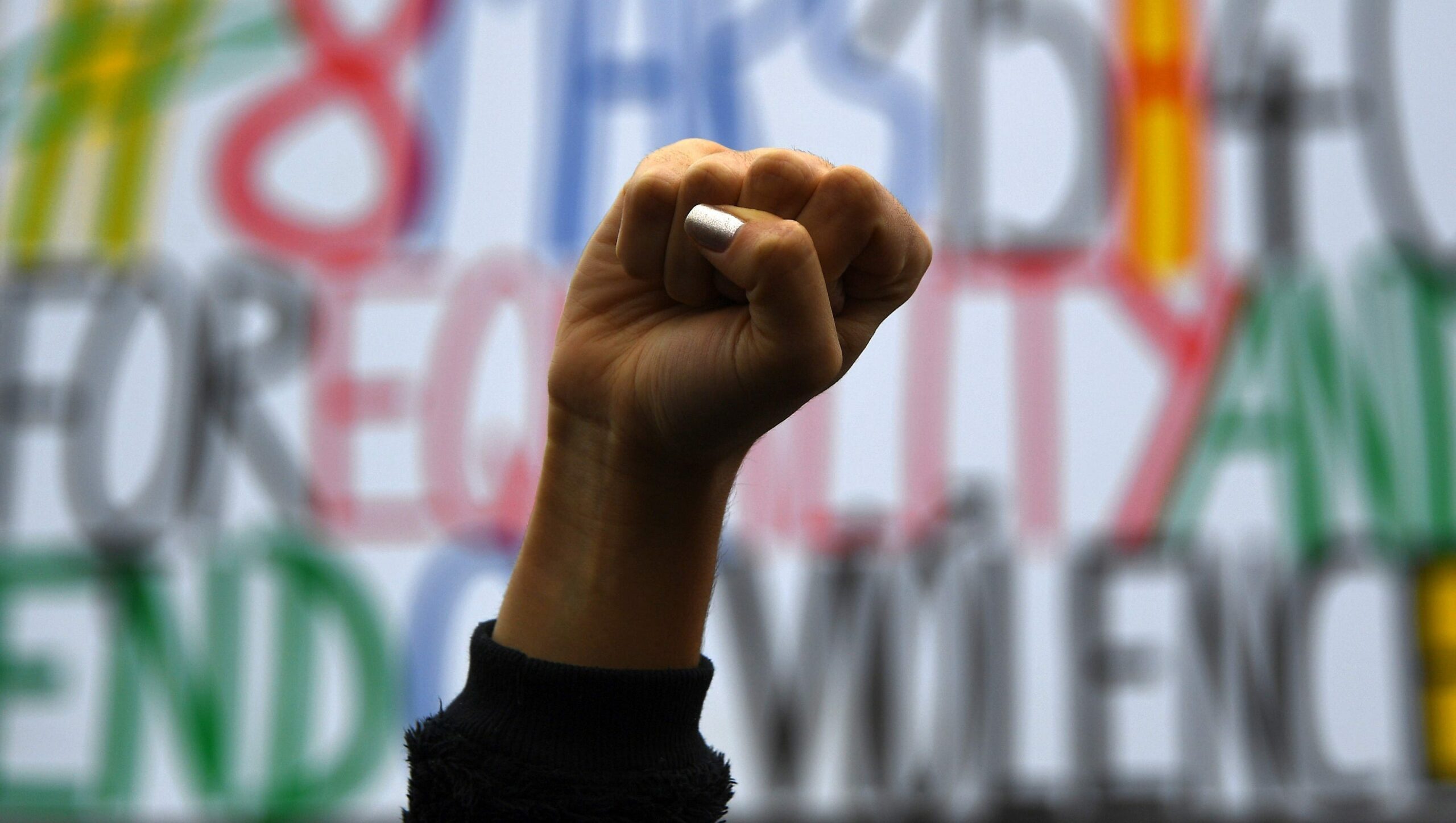
Feminism, as a movement purportedly devoted to equality and justice, often finds itself entangled in the thorny web of race. Among its most wearying and persistent conflicts is the exhaustion of elucidating racism to white feminists who, despite shared goals, frequently overlook the profound intersections of gender and race. This fatigue is not merely administrative; it is existential. It underscores a persistent failure within feminist circles to confront privilege and marginalization beyond gender alone. This article traverses the labyrinthine corridors of feminist discourse, unpacking the myriad difficulties faced in bridging understanding, the historical context of racial dynamics within feminism, and the indispensable necessity of intersectionality to propel the movement forward.
The Mirage of Universal Sisterhood
Early feminist waves often touted a universal sisterhood — a utopian ideal where all women share identical experiences. This illusion crystallized most damagingly within white feminist spaces, where racialized experiences were homogenized or sidelined altogether. White feminists frequently approached feminism as if the struggle against patriarchy was the singular axis of oppression. It ignored the complex simultaneity of race, class, and gender. The mirage of universal sisterhood obscures reality, breeding frustration among women of color forced to educate their white counterparts time and again about the specificity and severity of racial subjugation. This fundamental disconnect severs potential solidarity and perpetuates a cycle of misunderstanding that demands repetitive explanation and, consequently, provokes exhaustion.
Intersectionality: The Elusive Construct
Coined by Kimberlé Crenshaw, intersectionality is the critical framework that insists oppression is multifaceted and indivisible. However, this term, despite gaining popularity, remains a conceptual stone too heavy for some white feminists to methodically shoulder. Intersectionality asks them to relinquish the comfort of a singular struggle and acknowledge the compounded barriers experienced by women of color. Yet, misappropriation and superficial lip service frequently dilute its potency. Explaining intersectionality transforms into a Sisyphean task—because it demands not just intellectual engagement, but profound emotional and structural humility. When the concept is mistakenly reduced to a buzzword, the real experiences of racialized women remain marginalized, thereby exhausting those who continuously must clarify its depths and import.
The Historical Erasure of Black Feminism
White feminism’s reluctance to embrace antiracist activism is rooted in historical erasure. The contributions of Black feminists such as bell hooks, Audre Lorde, and Angela Davis have been historically marginalized or appropriated without acknowledgment. These pioneers articulated the inseparability of race and gender struggles decades before the mainstream feminist establishment caught up. The exhaustion in explaining racism is amplified by this myopic tendency to whitewash feminist history, forcing women of color to resurrect, reaffirm, and fight for their rightful place in feminist pedagogy repeatedly. This erasure is not accidental; it signifies a deeper unwillingness to confront uncomfortable truths regarding power hierarchies within the movement itself.
Privilege as Blindfold: The Difficulty of Recognition
Invisible to many white feminists is the privilege that clouds their perceptions — a privilege that shields them from the everyday realities inflicted by systemic racism. This lack of recognition often triggers defensive postures when confronted with racial issues, interpreting criticism as personal attacks rather than calls for growth. Explaining racism becomes a bewildering endeavor because it is not simply about facts or statistics but about challenging a deeply ingrained worldview. The fatigue accumulates as black women and other women of color navigate microaggressions within feminist communities, all while attempting to educate and sensitize without becoming emotional laborers for an unwilling audience.
The Toll of Emotional Labor in Feminist Spaces
The emotional labor demanded of women of color in feminist spaces is both monumental and invisible. They bear the brunt of educating, empathizing, and advocating tirelessly, often without reciprocal understanding or gratitude. This unacknowledged work leads to burnout and disillusionment, contributing to the fracturing of feminist alliances. The exhaustion is not purely physical; it chips away at mental and emotional reservoirs. When explaining racism becomes a repetitive, one-sided dialogue, the vitality of feminist solidarity is siphoned off, inflicting damage on the collective pursuit of liberation. Recognizing and redistributing this labor is essential if feminism is to evolve into an authentically inclusive and effective movement.
The Dangerous Seduction of Performative Allyship
In response to rising awareness, many white feminists engage in performative allyship — gestures that simulate support without substantive change. This phenomenon exacerbates the exhaustion faced by women of color, as it reduces serious conversations about racism to shallow social transactions. Performative allyship offers white feminists an easy escape from accountability while placating their guilt. It stalls progress by co-opting anti-racist rhetoric but neglecting systemic transformation. The exhaustion arises when women of color must continually discern between genuine allies and those enacting hollow solidarity, forcing them to navigate yet another layer of laborious explanation and skepticism.
Fostering Genuine Alliances: A Path Forward
Despite the challenges, the exhaustion of explaining racism to white feminists need not signal defeat but a rallying cry for profound change. Genuine alliance requires white feminists to approach racial discourse with humility, patience, and an openness to discomfort. Listening must supersede speaking. Institutions and movements must embed intersectional values into their fibers rather than treating them as optional addendums. It also means creating spaces where women of color are not just heard but empowered to lead conversations and initiatives. Only through this reconfiguration can feminism transcend its racial blind spots and become a truly transformative force.
The Necessity of Accountability and Self-Reflection
The bedrock of dismantling racism within feminist circles lies in relentless accountability and rigorous self-reflection. White feminists must confront the uncomfortable realities of their complicity and privilege with courage — not defensiveness. It entails grappling with internalized biases, questioning entrenched norms, and actively resisting complacency. This process is arduous but indispensable; without it, feminist movements risk perpetuating the very exclusions they aim to eradicate. Sustained self-scrutiny, coupled with collective responsibility, heralds the possibility of an expansive, resilient feminism that embraces all women.
Ultimately, the exhaustion of explaining racism to white feminists is not just a weary commentary but a clarion call—one that demands a pivot toward intersectional authenticity. It beckons a feminism that does not just speak in unison but listens intently, transforms radically, and stands unapologetically in solidarity with every marginalized voice.