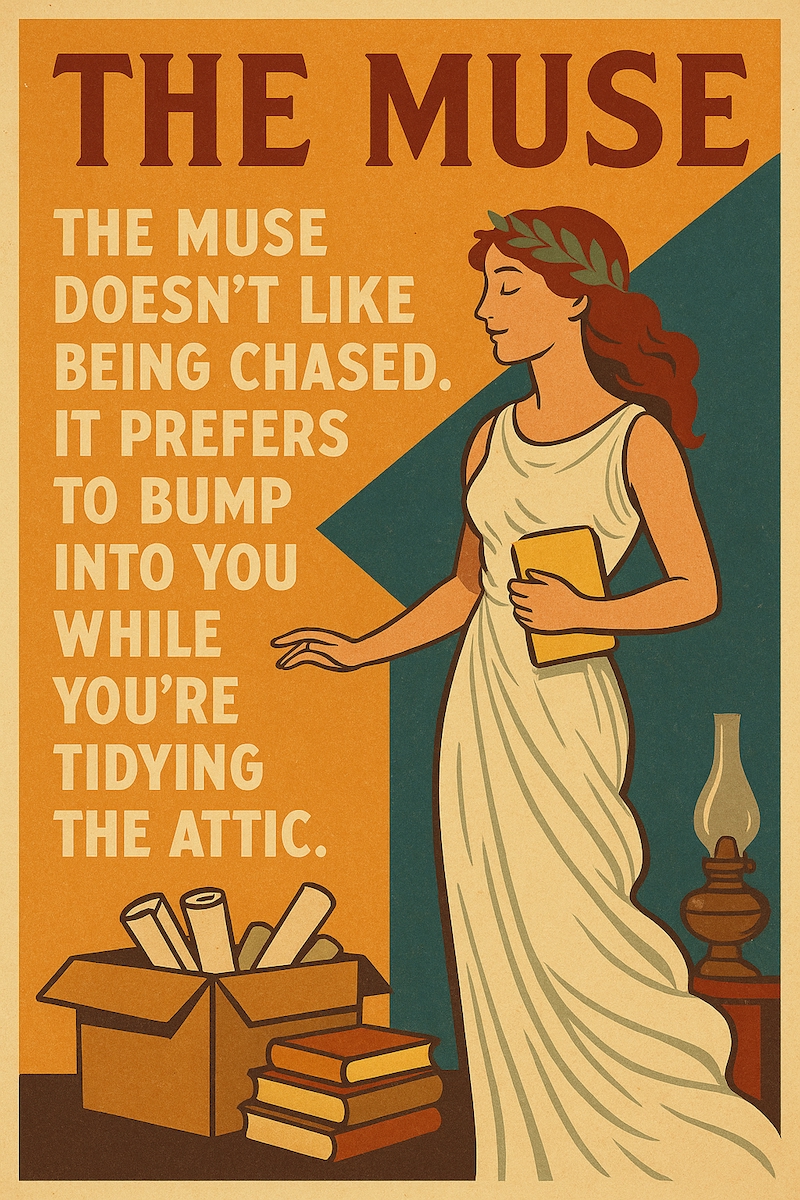
Have you ever paused to wonder why the muse—the very archetype of inspiration—remains shrouded in the shadow of art’s greatest achievements? Is she merely an ethereal spirit or perhaps just a woman who never received her rightful credit? This playful yet provocative question upends traditional narratives and invites us to delve deeper into the intersection of feminism, creativity, and recognition. Let’s explore the enigmatic figure of the muse through a feminist lens, unraveling layers of history, culture, and gender dynamics that challenge the simplistic portrayal of the muse as merely a passive ingredient in the creation of genius.
The Muse: Myth or Marginalized Woman?
The “muse” conjures images of a ghostly, almost untouchable spirit that feeds the creative flames of artists, writers, and composers. But what if this myth serves as a smokescreen? Beneath the poetic romanticism hides a tangible truth: the muse is, more often than not, a real woman whose identity and contributions were eclipsed by a veneration of male creators. The muse, in this narrative, becomes a symbol of marginalization—an individual diminished to a source of inspiration without agency or acknowledgment. This reductionist role reflects a wider societal pattern where women’s labor, intellectual or emotional, is co-opted and then erased, creating a gulf between inspiration and recognition.
Inspiration Versus Agency: A Feminist Quandary
Is inspiration merely a gift bestowed, or is it a collaborative force? The muse is traditionally cast as the former: a passive recipient bestowing dedication without reciprocation. However, feminism insists on dismantling this dichotomy. Women are not just vessels of benevolent inspiration—they are originators, protagonists, and agents in their own right. This tension highlights a fundamental challenge to patriarchal constructs: the refusal to recognize the muse as an active participant in the creative act. When inspiration is separated from agency, the muse becomes a symbol of women’s invisibility rather than empowerment.

Historical Erasure: Women Behind the Curtain
History is littered with brilliant women whose intellectual and artistic contributions have been stifled, misattributed, or outright ignored. From muses turned silent wives to collaborators erased from footnotes, the tapestry of cultural history is frayed with stories of women who “didn’t get credit.” Consider the muses of the Renaissance, Victorian muses in literature, or the silent partners in the rise of modern art. The glaring absence of their names in the annals of creativity reveals more about societal values than about their significance. Feminism confronts this historical erasure, demanding that these invisible architects of culture be restored to their rightful place in collective memory.
The Male Gaze and the Objectification of the Muse
One cannot talk about muses without addressing the overwhelming influence of the male gaze. The muse is often constructed through a prism of objectification, celebrated not for her intellect or individuality but for her form, her silence, and her accessibility to male desire. This gaze fractures her identity, transforming her into a symbol rather than a person. Feminism critiques this dynamic, exposing how the objectification of muses perpetuates power imbalances and reinforces gender hierarchies. The challenge: to reclaim the muse as a subject, not an object, with complexity and autonomy.
Reclaiming the Muse: From Passive Inspiree to Empowered Creator
What if the muse ceases to be a mere catalyst and instead becomes a collaborator, co-author, and creative force? Feminism envisions the muse no longer as a silent shadow but as an empowered originator of ideas and expression. Modern reinterpretations and feminist art movements are already redefining the muse’s role, giving voice and visibility to those who inspire and those who create. This reclamation is far from symbolic—it challenges entrenched systems of recognition and demands equity in authorship and influence.
Contemporary Musings: Who Is the Muse Today?
In a world increasingly aware of intersectionality and diverse narratives, the concept of the muse is evolving. It no longer suffices to relegate the muse to a single gender, race, or class. Feminism pushes us to consider muses as multifaceted individuals with their own stories, ambitions, and rights to acknowledgement. Today’s muses might be activists, thinkers, or collaborators who challenge convention rather than quietly inspire. This pluralistic lens disrupts the monolithic image of the muse and aligns with feminism’s broader goal of dismantling reductive stereotypes.
Why Credit Matters: More Than Just a Name
At first glance, giving credit might seem trivial—but it is, in reality, a radical act of justice. To credit the muse is to recognize the labor, intellect, and influence she exerts. Feminism underscores that visibility and validation are fundamental to empowerment. Naming the muse acknowledges her as an essential component in the creative ecosystem, elevating her from footnote to forefront. This shift has tangible social repercussions, promoting equity not just in the arts but across society.
Conclusion: Challenging the Canon, Reimagining the Muse
So, who is the muse if not just a whimsically ethereal woman? Feminism posits a thrilling challenge: to reject the passive archetype and embrace the muse as a dynamic, credited woman whose contributions have long been obscured. This reimagining destabilizes accepted canons, dismantles patriarchal storytelling, and invites us to rewrite history with fairness and nuance. The muse is no longer simply the invisible catalyst for genius—she is an artist, a thinker, and a revolutionary in her own right. By daring to ask who the muse truly is, we unravel profound truths about creativity, gender, and justice.