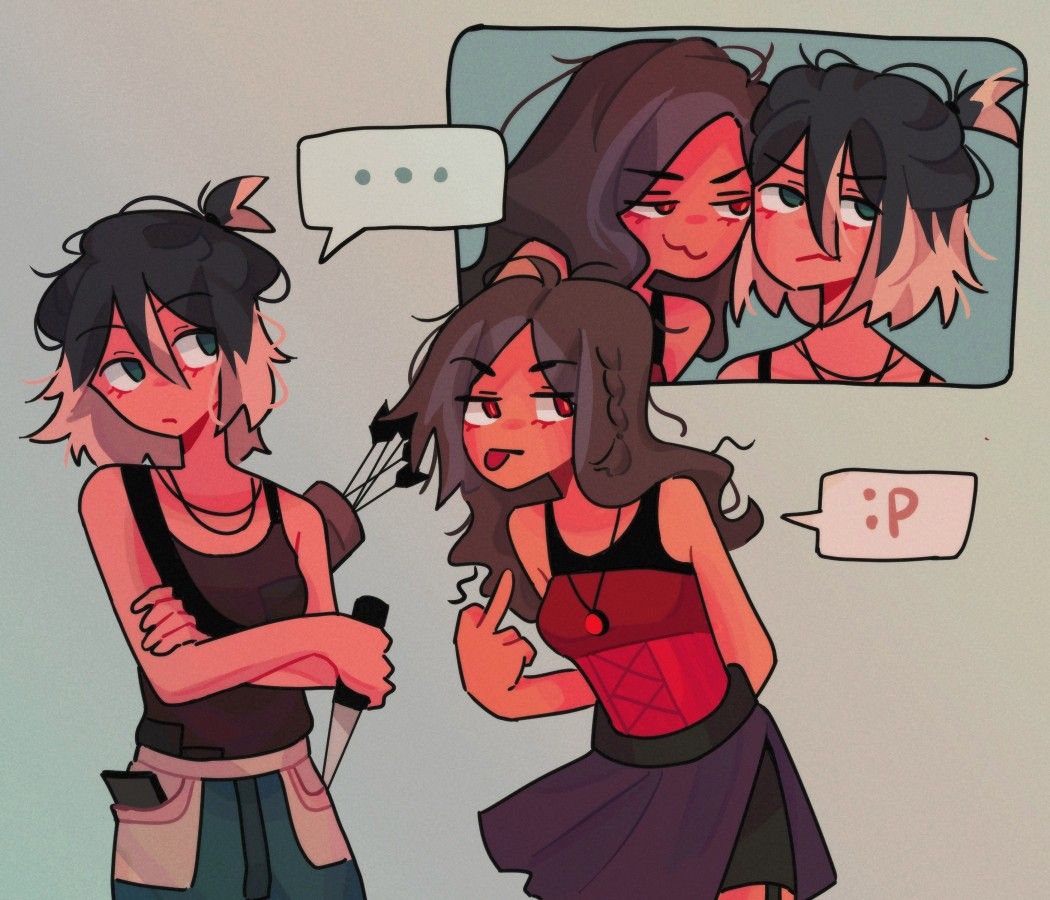
In the sprawling landscape of contemporary storytelling, the image of the “strong female character” has undergone a riveting transformation. No longer confined to either mindless damsels in distress or unrealistically invincible heroines, modern feminism demands nuance, strength, and authenticity — all while defying archaic stereotypes. Imagine a woman striding confidently through a zombie apocalypse, heels clicking against cracked pavement, a fierce glare that could slice through the undead masses. She embodies resilience, style, and complexity. This evocative juxtaposition of power and femininity challenges convention and invites a deeper exploration into the multifaceted nature of feminist representation in apocalyptic narratives.
Redefining Strength: Beyond Brawn and Bruises
Strength in female characters often gets distilled into physical prowess or the ability to dominate in combat scenarios. However, in the theater of a zombie apocalypse, true strength transcends muscle mass and weapon expertise. It encompasses emotional intelligence, resourcefulness, and psychological fortitude. The woman who still dons heels amidst chaos refuses to sacrifice her identity for survival—not because of vanity, but as a declaration of autonomy. Her heels are no mere fashion accessory; they are a symbol of resilience, refusing to bow to the bleakness around her. They chime a defiant anthem: femininity is not a weakness but a powerful force interwoven with grit and purpose.
The Fashionable Warrior: Symbolism in the Stiletto
In an unforgiving, post-apocalyptic world, practicality often reigns supreme. Yet, the choice to wear heels disrupts the narrative that survival necessitates abandoning sophistication or self-expression. Heels, specifically stilettos, demand balance, precision, and a certain audacity—qualities that mirror tactical dexterity. In this light, the stilettos coincide with a female character’s strategic mindset: she navigates danger with elegance and sharpness. The heels become a metaphorical weapon, an emblem of her refusal to conform to the sterile archetype of survivalist attire. This aesthetic rebellion against utilitarian uniformity challenges viewers and readers to reconsider what it means to be strong and feminine simultaneously.
Intersecting Feminism with Genre Expectations
Zombie apocalypse stories have historically presented a skewed template for female characters: sidekicks, victims, or love interests. Over time, the genre has evolved, demanding female leads with layers—heroes who simultaneously wield compassion, intellect, and lethal efficiency. Feminism in this context is not merely about inclusion but reimagining the narrative framework itself. The woman who puts heels on amid rubble and ruin introduces complexity into a traditionally binary genre. She disrupts the norm—her heels click against the desolation, ringing loud through stereotypical expectations and asserting that femininity has a rightful place in even the darkest, grimiest chronicles of survival.
The Narrative Power of Vulnerability and Complexity
Strength often gets glamorized as stoicism and invulnerability. The feminist heroine in heels cracks this hard shell by embracing vulnerability as a form of power. Her moments of doubt, fear, or tenderness do not diminish her character; instead, they saturate her narrative with authenticity. Her heels become silent witnesses to these inner battles, a steadfast accessory accompanying every emotional upheaval. This portrayal fosters empathy and relatability without resorting to melodrama or weakening the character’s resolve. Vulnerability woven with strength crafts a heroine who is neither a caricature of invincibility nor a fragile trope but a multi-dimensional force of nature, intensely human and relentless.
Challenging Patriarchal Tropes in Apocalyptic Fiction
Zombie apocalypse fiction, much like broader genre storytelling, has long been a battleground for patriarchal tropes. The “final girl” often emerges only after surviving the carnage by default rather than through empowerment. The feminist character who defies expectations by maintaining her heels and her agency flips this script. She rejects the notion that survival is a passive consequence, asserting instead that she is an active shaper of her fate. This inversion not only subverts gender norms but also critiques the binary opposition between femininity and toughness entrenched in narrative traditions. Her heels aren’t just footwear—they embody autonomy, self-definition, and a refusal to surrender to emasculated roles imposed by patriarchal storytelling conventions.
Audience Engagement: Provoking Reflection and Dialogue
This figure—the high-heeled survivor weaving through hordes of zombies—is deliberately provocative. She compels audiences to reconsider their assumptions about gender and power in storytelling. Is strength only credible with grim practicality? Can elegance coexist with ferocity? By delivering a wrestle between convention and redefinition, the character serves as a catalyst for broader cultural conversations about feminism, identity, and representation. The clash of heels on crumbling asphalt evokes discomfort and admiration, forcing a reckoning with entrenched viewpoints and inviting a reevaluation of what heroism looks like under extreme conditions. Such richness in character invites critical discourse and deep emotional investment from viewers and readers alike.
Visual and Symbolic Narratives: The Intersection of Art and Meaning
Imagery plays a pivotal role in reinforcing these themes. The visual of a woman in heels amid apocalypse rubble merges horror aesthetics with fashion iconography, creating a symbolically charged tableau. Art and narrative fuse to express contradictions that resonate on multiple levels: vulnerability and toughness, survival and identity, destruction and poise. This intersection of visual and symbolic storytelling emphasizes that feminist characters are not confined to any monolithic mold. Instead, their representation can be fluid and provocative, embodying paradoxes that echo the complexities of real-world feminist experiences. Their presence in apocalyptic fiction signals a maturation of genre storytelling and expands the horizon for future narratives.
The Future of Feminist Representation in Apocalypse Narratives
As feminism continues to evolve, the strong female character who refuses to shed her heels in a zombie apocalypse symbolizes an aspirational fusion of strength, style, and substance. This character archetype challenges future writers and creators to innovate beyond one-dimensional portrayals and to embrace characters who personify resistance, empowerment, and individuality simultaneously. The heels—bold, unyielding, and unashamed—herald a new era where feminism is not a checklist or a trend but a vibrant, living force driving narratives into uncharted, electrifying territory.