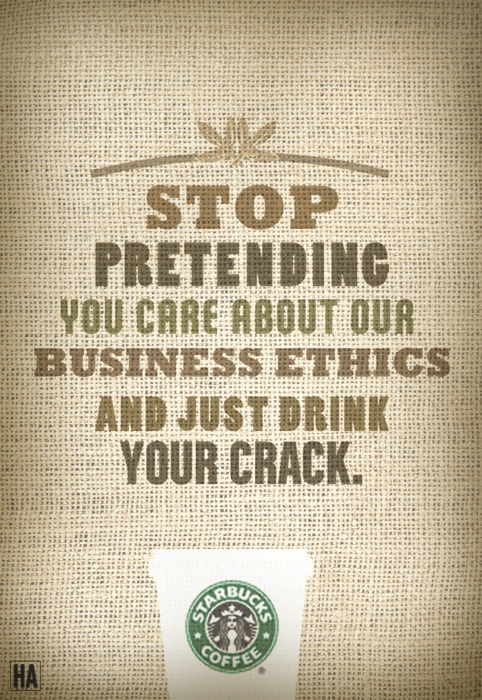
The barista calls your name with a saccharine smile, her voice a carefully modulated blend of warmth and rehearsed empathy. “Hi, how’s your day going?” she asks, eyes flickering with the performative concern of someone who has been drilled in the art of customer service. You nod politely, mutter something about it being fine, and she responds with a practiced “Great!” before sliding your latte across the counter. It’s a transaction as old as capitalism itself—service with a side of emotional labor, wrapped in a veneer of feminist empowerment. But what does it truly mean when feminism becomes the syrup in the corporate coffee machine?
The Illusion of Empathy in a Service Economy
There’s a peculiar paradox in modern feminism: the more it infiltrates corporate culture, the more it risks becoming a hollow performance, a scripted role in the grand theater of capitalism. The barista’s “How’s your day?” isn’t just a greeting; it’s a microcosm of how emotional labor has been commodified. She isn’t just making coffee—she’s performing care, a feminized virtue repackaged as a marketable skill. This isn’t liberation; it’s the colonization of empathy, where genuine connection is replaced by a transactional exchange of smiles and scripted concern.
Consider the language of corporate feminism: “lean in,” “girlboss,” “empowerment.” These phrases are often wielded by companies to signal progressive values while doing little to dismantle systemic inequities. The barista’s performative care is just another layer of this illusion. She’s been trained to project warmth, to make you feel seen—not because she genuinely cares, but because it’s her job to make the customer feel valued. In this economy, empathy isn’t a human connection; it’s a product, and feminism is the marketing strategy.
The Feminization of Emotional Labor
Emotional labor isn’t new; it’s been the unpaid, undervalued work of women for centuries. But in the 21st century, it’s been repackaged as a skill, a commodity to be bought and sold. The barista’s smile isn’t just a personal trait—it’s a job requirement, a form of unpaid emotional taxation that disproportionately falls on women and marginalized genders. This isn’t empowerment; it’s the latest iteration of the same old story: women’s labor, whether physical or emotional, is expected to be both invisible and infinite.
What’s insidious about this dynamic is how it masquerades as progress. Companies tout their “feminist” credentials while paying women poverty wages to smile through their exhaustion. The barista’s performative care isn’t a sign of societal progress; it’s a reminder that capitalism will co-opt any movement if it means increased profits. Feminism, in this context, isn’t a radical reimagining of power—it’s a branding exercise, a way to make corporate culture feel inclusive while maintaining the same old hierarchies.
The Commodification of Feminist Aesthetics
Walk into any trendy coffee shop, and you’ll see it: feminist slogans on the walls, “The Future is Female” tote bags for sale, baristas with “Nevertheless, She Persisted” pins on their aprons. These aren’t acts of rebellion; they’re marketing strategies. The commodification of feminist aesthetics turns radical ideas into consumable products, stripping them of their transformative power. The barista’s performative care isn’t just a job requirement—it’s part of a larger cultural shift where feminism is reduced to a aesthetic, a lifestyle choice rather than a political movement.
This isn’t to say that individual baristas aren’t genuine in their beliefs. But the system they operate within doesn’t care about their personal convictions. It cares about the bottom line. The more feminism can be sold as a brand, the more it can be controlled, diluted, and repackaged for mass consumption. The barista’s smile isn’t a sign of societal change; it’s a symptom of how deeply capitalism has infiltrated even our most radical movements.
The Myth of the “Girlboss” Feminism
The “girlboss” feminism of the 2010s promised us a world where women could have it all—careers, families, financial independence—without challenging the systems that oppress them. It was a feminism of individual achievement, where success was measured by how high a woman could climb the corporate ladder, not by how many systems she could dismantle. The barista’s performative care is a perfect metaphor for this myth. She’s been told that her smile is her power, that her ability to perform empathy is her ticket to success. But in reality, she’s just another cog in the machine, her labor exploited for someone else’s profit.
This myth is particularly insidious because it places the burden of change on the individual. The barista isn’t just performing care for her job; she’s performing it because she’s been told that this is what feminism looks like. She’s been sold a lie: that her personal empowerment is enough, that she doesn’t need to challenge the systems that keep her—and others like her—trapped in cycles of exploitation. The “girlboss” feminism of the barista’s smile is a hollow victory, a performative act that does nothing to address the root causes of inequality.
The Radical Potential of Rejecting Performative Care
What if we rejected the script? What if the barista didn’t smile? What if she looked you in the eye and said, “I’m exhausted, and I’m paid poverty wages to perform care for people like you”? What if she used her platform to demand better wages, better working conditions, a real transformation of the systems that exploit her labor? That would be a radical act—a rejection of the performative care that has been foisted upon women for centuries.
This isn’t about shaming individual baristas for doing their jobs. It’s about recognizing that the system they operate within is broken. Performative care isn’t empowerment; it’s a tool of oppression. It’s a way to keep women and marginalized genders trapped in cycles of emotional labor, to make them believe that their value lies in their ability to make others feel good. The radical potential of feminism isn’t in smiling through the grind; it’s in smashing the grind altogether.
The barista’s performative care isn’t just a quirk of modern service culture—it’s a symptom of a much larger problem. It’s a reminder that feminism, when co-opted by capitalism, becomes just another product to be sold. But what if we refused to buy it? What if we demanded something real, something transformative? The barista’s smile doesn’t have to be the end of the story. It could be the beginning of a revolution.