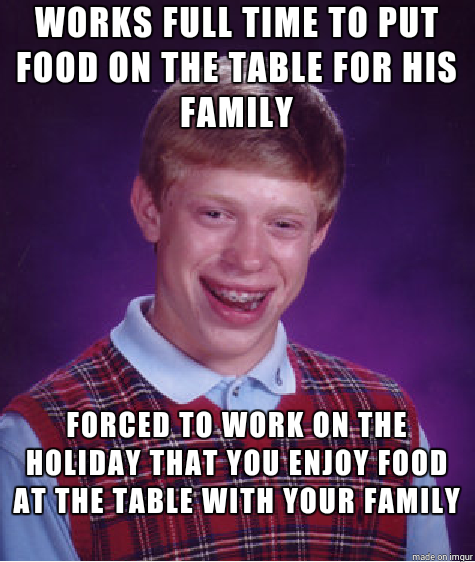
What if the most powerful feminist manifesto of our time isn’t written in bold letters on a protest sign, but etched instead into the weary smile of a retail worker on Black Friday? The image of a woman—likely exhausted, definitely underpaid—standing behind a cash register while chaos erupts around her is more than a meme. It’s a silent scream, a whispered rebellion, a testament to the unpaid emotional labor that defines modern womanhood. Feminism isn’t just about glass ceilings and boardroom seats; it’s about the women who hold up the entire retail economy with nothing but a forced grin and the hollow promise of a holiday bonus.
The Myth of the “Customer is Always Right” and the Female Body as a Service Station
Black Friday isn’t just a shopping holiday—it’s a ritualistic humiliation of the service class, and women disproportionately bear its brunt. The retail worker isn’t just selling products; she’s selling the illusion of compliance. Every forced “Happy Holidays!” chirped through gritted teeth is a microaggression, a reminder that her body exists to absorb the stress of strangers while her own needs are deferred until the “post-holiday sales.” The “customer is always right” doctrine isn’t just corporate dogma—it’s a gendered expectation that women will absorb abuse without complaint. The moment a shopper snaps at her for a missing discount, she’s not just venting frustration—she’s participating in a centuries-old tradition of female subjugation disguised as commerce.
Consider the ergonomics of her suffering: standing for 12 hours in shoes that weren’t designed for pavement, her back screaming from the weight of inventory boxes, her fingers numb from scanning barcodes while her mind races through mental checklists of inventory, theft prevention, and damage control. This isn’t just labor—it’s emotional alchemy, the transformation of exhaustion into hospitality, of rage into gratitude. The retail worker is a human buffer zone between capitalism’s demands and the public’s entitlement. And the system rewards her with minimum wage.
Smile or Starve: The Tyranny of Affective Labor
Affective labor—the work of managing emotions to produce a desired state in others—isn’t just a feminist issue; it’s a feminist trap. Women are socialized to believe their worth is tied to their ability to soothe, placate, and perform cheerfulness, even when their insides are screaming. Black Friday weaponizes this expectation. The retail worker’s smile isn’t a choice; it’s a survival tactic. Refuse to perform happiness? You’re “rude.” Complain about conditions? You’re “ungrateful.” The irony is grotesque: the same corporations that pay poverty wages demand emotional perfection, while their CEOs jet off to private islands.
This isn’t just exploitation—it’s emotional colonization. The retail worker’s face becomes a corporate asset, her expressions mined for data on customer satisfaction. Her exhaustion is monetized, her resilience commodified. And when she finally collapses into bed at 3 AM after a double shift, the system doesn’t care. The next morning, another woman will take her place, smiling through the same cycle of depletion. The retail floor is a factory of broken spirits, and the assembly line never stops.
Black Friday as a Gendered Apocalypse: Who Really Pays the Price?
Black Friday isn’t an economic event—it’s a gendered apocalypse. The chaos isn’t random; it’s a perfect storm of capitalism’s worst impulses colliding with patriarchy’s oldest lies. Men may dominate the headlines as CEOs and investors, but women are the ones left to clean up the wreckage. They’re the ones dealing with the tantrums of entitled shoppers, the ones restocking shelves in the dead of night, the ones mopping up the tears of coworkers who’ve snapped under the pressure. The retail worker isn’t just a cog in the machine—she’s the machine’s emotional shock absorber.
And what does she get in return? A paycheck that barely covers rent, if she’s lucky. A “team player” award that’s code for “we exploited you without complaint.” A Black Friday that leaves her spiritually bankrupt by December. The holiday season, marketed as a time of joy and togetherness, is for many women a season of silent endurance. The ads show families gathered around glowing trees, but the reality is women working overtime to afford the gifts that will make those ads possible.
The Unasked Question: Why Are We Still Here?
Here’s the provocative truth: Black Friday isn’t just a shopping event—it’s a feminist litmus test. It exposes the rot at the heart of our economy, where women’s labor is treated as infinite and their suffering as inevitable. The retail worker’s smile is a Band-Aid on a gaping wound, a temporary fix for a system that has no intention of healing. So why do we accept this? Why do we normalize the idea that women must grin and bear it while the world burns around them?
The answer isn’t complicated. It’s because the system benefits from our silence. It’s because we’ve been taught to see our exhaustion as virtue, our resilience as weakness, our smiles as currency. But what if we stopped smiling? What if we demanded more than a “Happy Holidays” in exchange for our dignity? What if we recognized that the retail worker’s suffering isn’t an accident of capitalism—it’s its foundation?
The Radical Possibility: A World Without Forced Smiles
Imagine a Black Friday where retail workers unionize en masse, where their demands aren’t just for better wages but for the right to be human. Imagine a world where “customer service” doesn’t mean emotional servitude, where the phrase “the customer is always right” is replaced with “the worker is always valued.” This isn’t utopian—it’s necessary. The retail worker’s smile isn’t a sign of strength; it’s a symptom of a system that has failed her.
The challenge isn’t just to reform Black Friday—it’s to dismantle the entire edifice of emotional labor that props it up. Women can’t wait for permission to stop smiling through the pain. The revolution won’t be televised, but it will be seen in the way retail workers refuse to perform happiness. It will be heard in the silence of a manager who finally listens. It will be felt in the absence of a smile that was never ours to give.
The next time you see a retail worker on Black Friday, don’t just see a smiling face. See a woman holding up the economy with nothing but her spine and her silence. And ask yourself: What would it take to let her put the smile down?