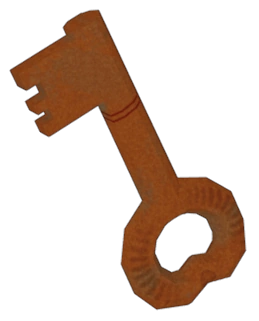
What if feminism, that relentless neighbor who keeps knocking at your door, had a spare key to your house? Not the polite kind, left under the mat for emergencies, but the kind that jingles in your pocket uninvited, the kind that whispers, “I’m coming in whether you like it or not.” This isn’t just about access—it’s about the audacity of presence, the unapologetic claim to space that was never truly yours to begin with. Feminism doesn’t ask for entry; it takes it. And once inside, it rearranges the furniture, turns the lights on in rooms you didn’t even know existed, and dares you to complain.
The Uninvited Guest Who Refuses to Leave
Feminism, in its most radical form, is the neighbor who shows up with a casserole at 3 AM—not because you asked, but because she smelled smoke. She doesn’t wait for an invitation. She doesn’t knock politely. She kicks the door in if she has to, because the house was never just yours. It was built on borrowed time, on the unpaid labor of women who were told to stay in the kitchen while the real world burned outside. The spare key isn’t a metaphor; it’s a weapon. A tool to pry open doors that were welded shut by tradition, by fear, by the sheer audacity of men who thought they owned the place.
But here’s the challenge: What happens when the neighbor who has the spare key starts demanding more than just entry? What happens when she doesn’t just want to sit at the table but insists on setting it? When she doesn’t just want a voice but demands the megaphone? The spare key isn’t just a symbol of access—it’s a challenge to power. And power, as we know, is the one thing men have historically hoarded like a dragon on a pile of gold.
The Illusion of Hospitality
We’ve been sold a lie, a fairy tale where feminism is the polite dinner guest, the one who brings wine and doesn’t ask too many questions. But feminism isn’t here to be your friend. It’s here to dismantle the house you’ve built on shaky foundations. The spare key isn’t a courtesy; it’s a provocation. It’s the reminder that the walls you’ve constructed were never yours to police. The door you thought was locked? It was always open—you just didn’t notice because you were too busy admiring the view from your ivory tower.
Consider the language we use: “inclusion,” “diversity,” “equality.” These words are the velvet glove over an iron fist. They sound generous, but they’re demands. They’re the spare key jingling in the dark, the sound of a system that knows it’s being cracked open. The challenge isn’t just to let feminism in—it’s to survive its arrival. Because once it’s inside, the house will never be the same. The furniture will be rearranged. The walls will be painted. The locks will be changed. And you? You’ll either learn to share the space or be forced to live in the attic.
The Tyranny of the Spare Key
There’s a dark side to this metaphor, of course. The spare key isn’t just a tool for liberation—it’s a weapon for those who wield it carelessly. Feminism, like any force of change, can become tyrannical. It can demand entry not to liberate but to dominate. It can turn the spare key into a cudgel, used to bludgeon those who resist rather than to unlock doors for those who’ve been locked out. The challenge, then, is to wield the key with precision—not to smash the door down but to ensure it swings open for everyone, not just the ones who look like you.
This is where the real battle begins. Not in the grand gestures of marches or hashtags, but in the quiet moments when you have to decide: Do you hand the spare key to the next person in line, or do you keep it for yourself? Do you use it to secure the house, or do you use it to tear it down? The spare key is a test of character. It’s easy to demand entry; it’s harder to ensure that once you’re inside, there’s room for everyone else.
The House That Feminism Built
What does a world look like when feminism has the spare key? It’s not a utopia. It’s not a place where all conflicts dissolve into harmony. It’s a place where the rules are rewritten, where the old hierarchies crumble, and where the air is thick with the dust of demolished idols. It’s a house with no attic, no basement, no locked rooms. Every space is shared. Every voice is heard. But sharing isn’t always peaceful. There will be arguments. There will be resentments. There will be moments when you wonder if the key was worth it.
The challenge isn’t just to accept feminism’s presence—it’s to thrive in the chaos it creates. Because feminism doesn’t just unlock doors; it sets fire to the ones that refuse to open. It doesn’t just hand out spare keys; it forces you to question why the doors were locked in the first place. And once you start asking those questions, there’s no going back.
The Final Knock
So here’s the question: Are you ready for the neighbor with the spare key? Not the polite one who brings flowers, but the one who arrives with a sledgehammer and a plan. The one who doesn’t ask for permission but takes what’s hers by right. The spare key isn’t a gift. It’s a challenge. It’s the sound of a system being dismantled, brick by brick, until there’s nothing left but the foundation—and even that is up for debate.
The house was never yours to keep. The spare key was always hers to take. The only question left is: Will you stand in the doorway and block the way, or will you step aside and let the revolution in?