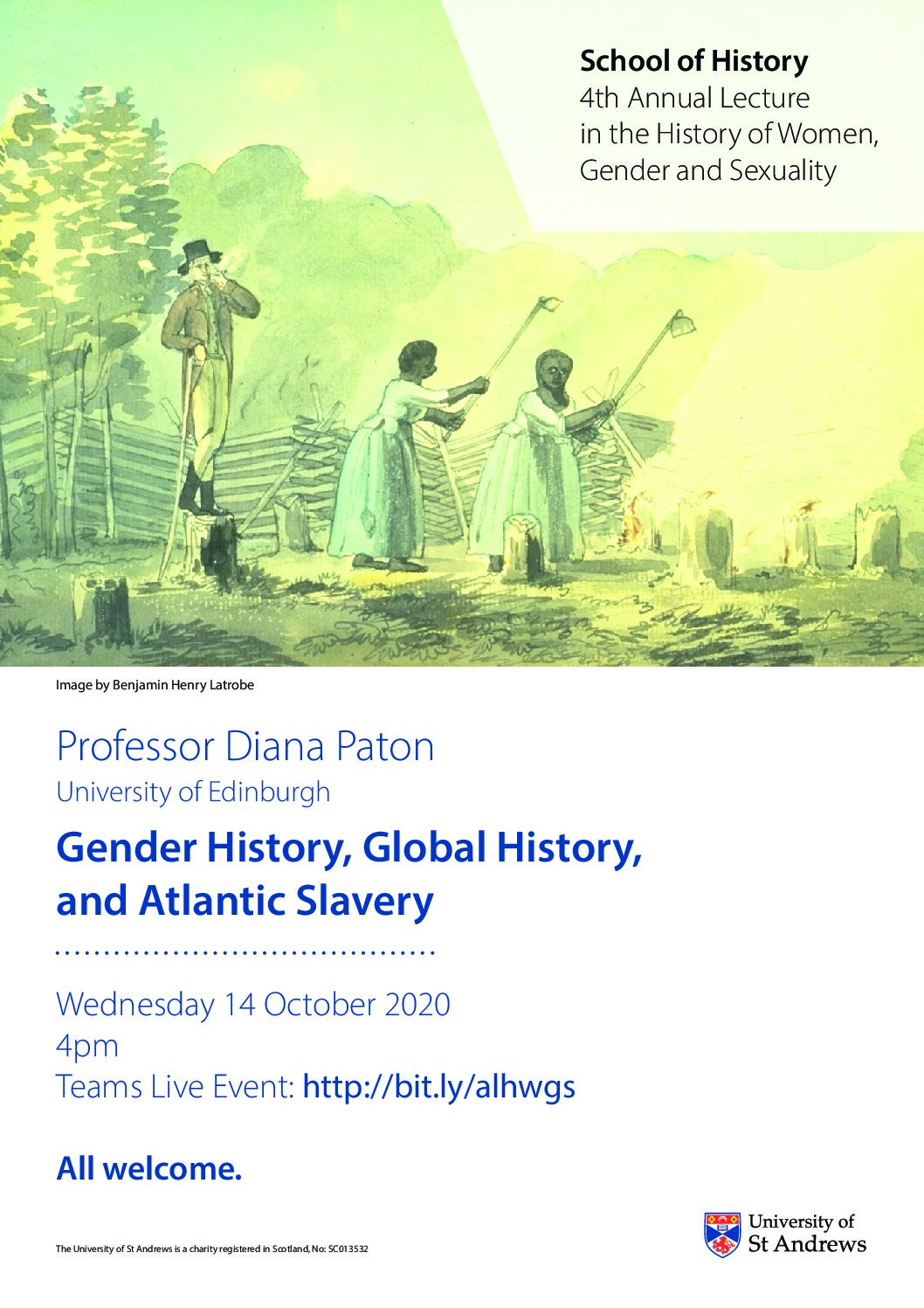
In the grand theater of history, where power dictates the script and oppression choreographs the dance, feminism emerges not as a mere movement but as a thunderous demand for recognition—Ar’n’t I a Woman? This question, once hurled into the antebellum air by Sojourner Truth, still echoes through the corridors of time, a clarion call that refuses to be silenced. The entanglement of slavery and gender is not a footnote in the annals of oppression; it is the very marrow of systemic violence, a grotesque ballet where bodies are commodified, and womanhood is weaponized. To dissect this history is to wield a scalpel against the myth of progress, revealing the festering wounds beneath the veneer of civilization.
The Body as Battleground: Slavery’s Crucible of Gendered Violence
The plantation was not merely a site of labor; it was a laboratory of gendered terror. Enslaved women were not women in the eyes of the law—they were chattel, their bodies inscribed with the dual brands of race and sex. The myth of the “strong Black woman” was not a compliment but a shackle, a narrative spun to justify the unrelenting extraction of labor, both physical and reproductive. Their wombs were not sacred; they were fields to be tilled, their children not progeny but inventory. The violence was not incidental; it was the architecture of slavery itself. To be a woman under this regime was to exist in a state of perpetual violation, where even the act of motherhood was a transaction, where the cry of a child could be drowned out by the crack of a whip.
Consider the paradox: enslaved women were denied the protections of femininity even as they were forced into its most grotesque parodies. They were expected to be both nurturing mothers and unfeeling workhorses, their emotions policed, their pain rendered invisible. The plantation owner’s wife might weep over a lost brooch, but the enslaved woman’s tears over her stolen child were met with indifference—or worse, punishment. This was not an oversight; it was a design. The dehumanization of Black women was not a byproduct of slavery; it was its foundation.
The Myth of the “Strong Black Woman”: A Shackle in Disguise
To call an enslaved woman “strong” was not to honor her resilience but to erase her humanity. The trope of the indomitable Black woman is a colonial fantasy, a way to rationalize the unbearable. Strength, in this context, was not a virtue but a survival mechanism, a necessary adaptation to a world that sought to break her. Yet this myth persists, repackaged in modern rhetoric as a badge of honor, when in truth, it is a cage. It excuses the world from seeing her pain, from acknowledging her vulnerability, from recognizing that her strength was not chosen but imposed.
This myth also served a darker purpose: it justified the sexual violence that was endemic to slavery. If Black women were “strong,” then their rapes could be framed as consensual, their bodies as perpetually available. The law, such as it was, offered no recourse. A white man could rape an enslaved woman and face no consequences, for the law did not recognize her as a person. Her body was not her own; it was a possession, a tool, a thing to be used and discarded. The myth of strength was the alibi for this atrocity.
Reproductive Violence: The Silent War on Black Motherhood
The enslaved woman’s womb was not a sanctuary but a contested territory. The systematic rape of Black women was not an aberration; it was a policy, a means of increasing the labor force and asserting dominance. The children born of these violations were not cherished; they were assets, their value determined by their market price. The grief of a mother watching her child sold away was not a private sorrow but a public spectacle, a reminder of the total control wielded by the enslaved.
Even the act of reproduction was commodified. Enslaved women were bred like livestock, their fertility monitored, their bodies inspected. The horror of this system is not just in its brutality but in its banality—it was not an exception but the rule, a normalized atrocity that was woven into the fabric of society. The trauma of this history reverberates today, in the disproportionate rates of maternal mortality among Black women, in the erasure of their pain, in the way their bodies are still policed and pathologized.
Feminism’s Blind Spot: The Erasure of Black Women’s Struggles
For too long, feminism has been a movement that speaks in a single, exclusionary voice. The early suffragettes, in their quest for the vote, often sidelined the concerns of Black women, treating their struggles as secondary to the “greater cause.” The myth of universal sisterhood was a lie, a convenient fiction that allowed white women to ignore the ways their own liberation was built on the backs of Black women. The feminist movement has had to be dragged, kicking and screaming, into acknowledging this history, into recognizing that the fight for gender justice cannot be separated from the fight for racial justice.
This erasure is not accidental; it is a feature of white feminism, a movement that has often been more interested in securing its own privileges than dismantling the systems that oppress all women. The legacy of this exclusion is still felt today, in the way Black women’s voices are marginalized in feminist discourse, in the way their contributions are overlooked or appropriated. True feminism must be intersectional, or it is not feminism at all. It must center the experiences of those who have been most brutalized, for their liberation is not a footnote to the story—it is the story itself.
The Legacy of Resistance: How Enslaved Women Defied the System
Yet for all the violence inflicted upon them, enslaved women were not passive victims. They were architects of resistance, their defiance woven into the very fabric of their existence. They sabotaged tools, feigned illness, ran away, and plotted rebellions. They preserved their cultures, their languages, their spiritual practices, even as they were forced into the maw of the plantation. They created networks of solidarity, passing down stories of resistance from one generation to the next. Their resistance was not just physical; it was cultural, spiritual, and intellectual. They refused to be erased.
Their defiance took many forms. Some, like Harriet Tubman, became conductors on the Underground Railroad, risking their lives to lead others to freedom. Others, like Sojourner Truth, became orators, using their voices to challenge the systems that sought to silence them. Still others used the only weapons they had: their bodies, their labor, their wits. They turned the plantation into a site of subversion, a place where the master’s control was never absolute. Their resistance was not just a response to oppression; it was a redefinition of what it meant to be a woman, to be free, to be human.
The Unfinished Revolution: Feminism’s Debt to the Enslaved
The question Ar’n’t I a Woman? is not a relic of the past; it is a challenge that still hangs in the air, a demand that has yet to be fully answered. The feminism of today owes a debt to the enslaved women who fought for their humanity in the face of unimaginable cruelty. Their struggles laid the groundwork for the movements that followed, even as those movements often failed to honor their legacy. To truly honor their memory is to commit to a feminism that is unapologetically intersectional, that centers the voices of those who have been most marginalized, that refuses to let the past be buried but insists on excavating its truths.
This is not a call for guilt; it is a call for accountability. The systems that oppressed enslaved women did not vanish with emancipation. They mutated, adapted, found new ways to exert control. The fight for gender justice is still the fight for racial justice, for economic justice, for justice in all its forms. The question Ar’n’t I a Woman? is not just about the past; it is about the present, about the ways in which women of color are still denied the fullness of their humanity. The revolution is unfinished, but it is not impossible. It begins with listening, with learning, with refusing to look away.