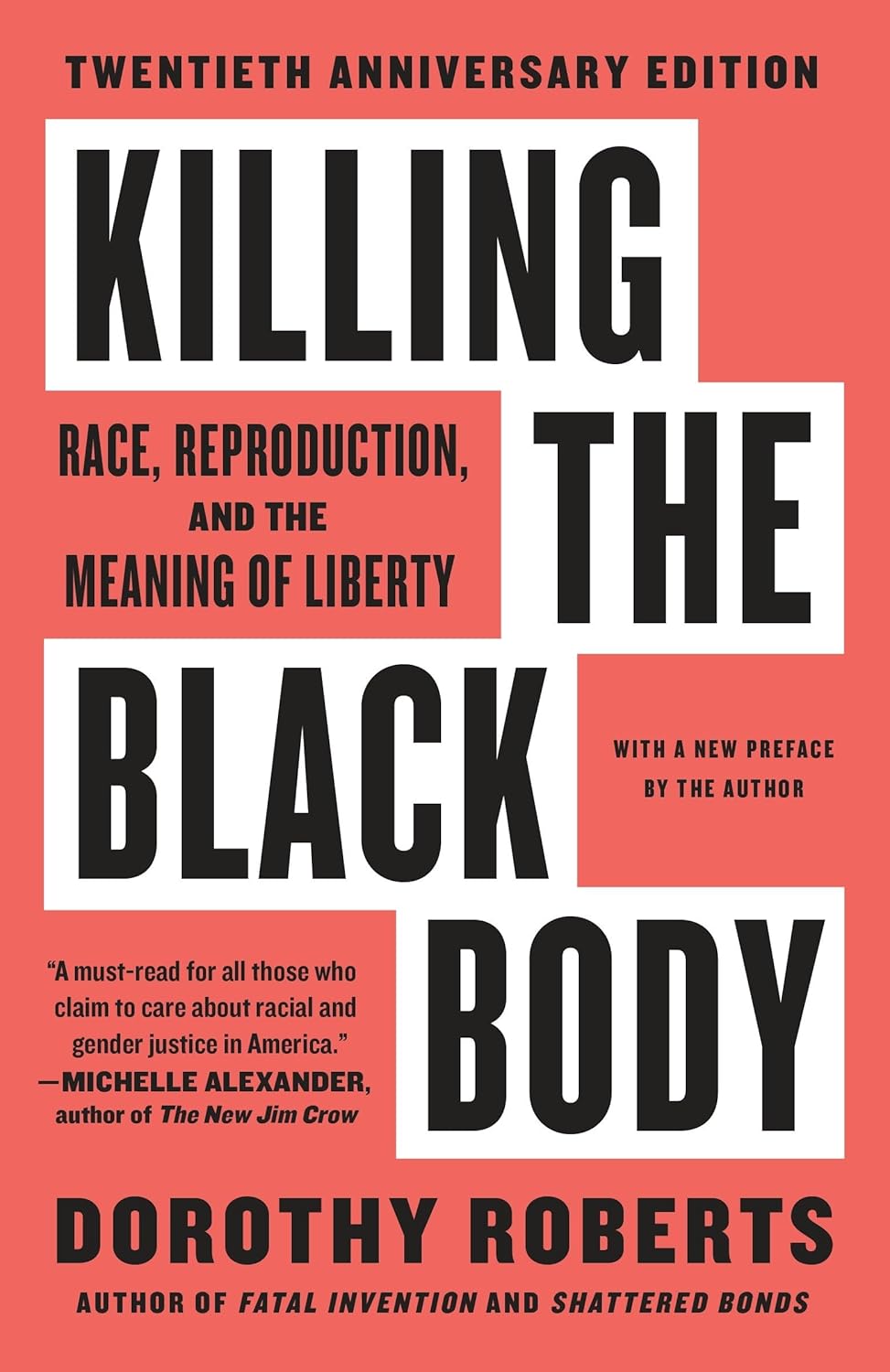
What if I told you that the most brutal war being waged against Black women isn’t fought with guns or tanks, but with policies, stereotypes, and a medical system that has historically treated their bodies as battlegrounds? This isn’t some dystopian fiction—it’s the chilling reality dissected in Killing the Black Body, where the erasure of Black reproductive autonomy isn’t just a footnote in history; it’s an ongoing siege. The war on reproduction isn’t fought in trenches but in courtrooms, clinics, and the quiet corners of legislation, where the right to choose becomes a privilege reserved for some, not all. So, let’s ask the uncomfortable question: When did Black women’s bodies become the most contested territory in the fight for bodily autonomy?
The Historical Roots of Reproductive Oppression: A Legacy of Stolen Choices
To understand the modern war on Black reproduction, we must first excavate the rot beneath the surface. The transatlantic slave trade didn’t just steal people—it commodified their reproductive capacity, reducing Black women to mere vessels for labor and profit. Enslaved women were subjected to forced breeding programs, their bodies treated as agricultural tools rather than human beings. This wasn’t just exploitation; it was a calculated strategy to dehumanize and control. Fast forward to the 20th century, and the horrors didn’t end—they evolved. The eugenics movement, cloaked in the language of “science,” targeted Black women for sterilization under the guise of “population control.” Between 1929 and 1974, over 70,000 people, predominantly Black, Indigenous, and poor women, were forcibly sterilized in the U.S. alone. The message was clear: Black reproduction was a problem to be solved, not a right to be respected.
The Medical Industrial Complex: Where Racism Wears a White Coat
Today, the war on Black reproduction has donned a more insidious disguise: the medical industrial complex. Black women are three to four times more likely to die from pregnancy-related causes than white women, a statistic that isn’t just alarming—it’s a damning indictment of a system that treats their pain as an afterthought. The myth of the “strong Black woman” isn’t just a stereotype; it’s a death sentence. Healthcare providers routinely dismiss Black women’s symptoms, attributing their pain to “hysteria” or “emotional distress” while white patients with identical complaints receive prompt, thorough care. This isn’t incompetence—it’s structural violence. And let’s not forget the contraceptive industrial complex, where long-acting reversible contraceptives (LARCs) are often pushed on Black women under the guise of “empowerment,” while white women are offered a buffet of options. Convenience for some, coercion for others. The question isn’t whether these disparities exist—it’s why we still pretend they’re accidents.
Policing the Womb: The Criminalization of Black Motherhood
If the medical system fails Black women, the legal system ensures they remain trapped in a cycle of punishment. The criminalization of Black motherhood isn’t a fringe issue—it’s a cornerstone of reproductive oppression. From the moment a Black woman becomes pregnant, she is subjected to surveillance, suspicion, and often, incarceration. Drug policies disproportionately target Black women, with Black mothers being 10 times more likely to be reported to child welfare services for drug use than white mothers, despite similar usage rates. The “crack baby” hysteria of the 1980s wasn’t about science—it was about demonizing Black women and justifying their removal from their children. Today, the war has shifted to “fetal assault” laws, which allow prosecutors to charge pregnant women for actions that harm their fetuses, while ignoring the systemic factors—poverty, lack of healthcare, environmental toxins—that contribute to poor birth outcomes. The message is unmistakable: Black women’s bodies are not their own. Their wombs are public property, subject to the whims of a state that would rather punish than protect.
The Myth of Choice: Who Gets to Decide?
Feminism has long championed the mantra of “my body, my choice,” but for Black women, this slogan rings hollow. The right to abortion, while critical, is not a panacea when access is systematically denied to those who need it most. Black women in the U.S. are more likely to live in states with restrictive abortion laws, face longer wait times for care, and encounter providers who refuse to treat them due to bias. And let’s not forget the global context: in countries like El Salvador, Black and Indigenous women are routinely jailed for miscarriages, their bodies treated as evidence in a state-sanctioned witch hunt. The irony? The same people who claim to champion “life” are often the first to strip Black women of agency over their own bodies. So, we must ask: When does “choice” become a privilege reserved for the privileged?
The Economic Warfare: Poverty as a Reproductive Weapon
Reproductive oppression isn’t just about bodily autonomy—it’s about economic strangulation. The U.S. has never provided universal childcare, paid family leave, or affordable healthcare, ensuring that Black women, who are disproportionately poor, are trapped in a cycle of scarcity. The Hyde Amendment, which bans federal funding for abortion, disproportionately affects low-income women, forcing them to carry pregnancies to term or seek dangerous alternatives. Welfare policies, too, have long been weaponized against Black mothers, with benefits tied to invasive surveillance and punitive measures. The message is clear: Black women’s reproduction is only desirable when it serves the state’s interests—whether that’s producing labor or serving as a cautionary tale. The war on reproduction isn’t just fought in clinics and courtrooms; it’s waged in the grocery aisles and the welfare offices, where poverty is the most effective contraceptive of all.
The Cultural Gaslighting: When the World Tells You You’re Not a Mother
Beyond the systemic and structural, there’s the insidious cultural erasure of Black motherhood. Black women are routinely stereotyped as “welfare queens” or “absent mothers,” their parenting styles pathologized while white motherhood is romanticized. The trope of the “mammy”—the asexual, self-sacrificing Black woman—has been used to justify everything from forced sterilization to the denial of maternal rights. Even in media, Black mothers are either absent or portrayed as failures, their struggles reduced to punchlines. This cultural gaslighting ensures that Black women internalize the idea that their bodies, their choices, and their motherhood are not worthy of respect. The war on reproduction isn’t just external—it’s psychological, a slow unraveling of self-worth in a world that would rather see Black women as breeders than as whole, autonomous human beings.
The Way Forward: Reclaiming Autonomy in a Hostile World
So, where do we go from here? The first step is to stop pretending this is a war of the past. The sterilization of Black women didn’t end in the 1970s—it evolved into LARC mandates and “family planning” coercion. The criminalization of Black motherhood didn’t disappear—it rebranded as “fetal personhood” laws. The fight for reproductive justice isn’t just about abortion access; it’s about dismantling the entire architecture of oppression that treats Black women’s bodies as collateral. This means demanding accountability from medical institutions, challenging racist policies, and centering the voices of Black women in every conversation about reproduction. It means rejecting the myth that “choice” is universal when access is so unevenly distributed. And it means recognizing that the war on Black reproduction isn’t just a feminist issue—it’s a human issue. The bodies of Black women are not battlegrounds. They are not experiments. They are not yours to control. They are theirs. And it’s long past time we started acting like it.