For two millennia, whispers of terminating unwanted pregnancy mingled with repressed groans about the restrictive control exerted over women’s bodies, particularly their capacity to end a conceived life. Then, in the last century, a tremor struck the global axis: the organized women’s movement reached for the tools of systemic change, applying relentless pressure for legal, safe abortion access. The fight over abortion, as much as any other, reveals the contested ground on which fundamental freedoms, profound moral arguments, and the basic politics of women’s lives have been desperately, often violently, contested. We stand at a crossroads once again, looking back over generations of struggle for context on a new chapter. This is the complete, often brutal, and globally unfolding history of the abortion rights movements, a saga far removed from the sterile, clinical debates of our era.
The Seeds of Resistance: Before the Women’s Rights Awakening
Before the Seneca Falls Convention banded women together explicitly for legal equality in the mid-19th century, seeds of organized thought about terminating pregnancy were germinating. Figures like American abolitionist and women’s rights advocate Susan B. Anthony, a lifelong champion of women’s rights, would later fight against unwanted constraints on women’s lives, including laws limiting birth control information and services. Though often marginalized, early narratives show women, across different societies, grappling with the constraints of their bodies and seeking control. The notion that self-determination over one’s own physical existence was a radical, perhaps even revolutionary, idea existed long before the suffragists’ picket signs.
Birth Control: The Unseen Precursor
The groundwork for later explicit abortion rights campaigns was often laid by birth control movements. The late 19th and early 2ert 20th centuries saw pioneers like Margaret Sanger battling not only for women to understand reproductive health but also against the deeply ingrained belief that unwanted pregnancy was a consequence to be borne stoically. Sanger’s uncompromising stance included advocating for legal abortion access, recognizing it as the ultimate expression of reproductive freedom. The fight for reliable contraception, therefore, became an act of resistance in itself, a means to circumvent the need for legal termination and fundamentally alter the calculus. It was a complex dance, predating the explicit abortion rights movement, essential to its later emergence.
The Modern Abortion Rights Creed Erupts
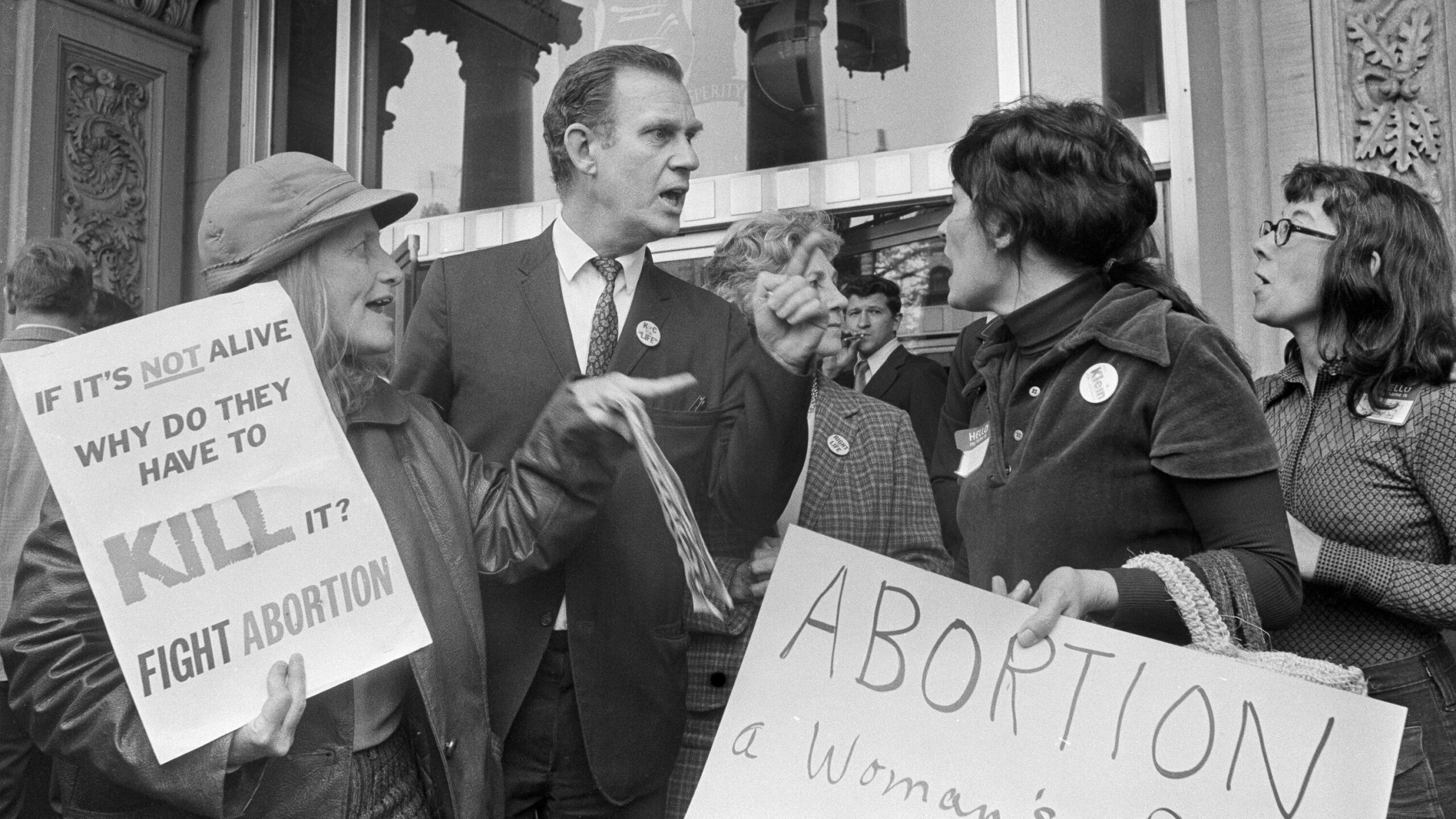
The late 1960s and 1970s mark the pivotal moment when the fight for abortion rights went from a fringe concern to a major international political and social force. The backdrop was perfect: rising feminism, decolonization challenging entrenched patriarchal norms, and a new generation demanding greater bodily autonomy. This was a moment for women to confront, directly and forcefully, the legal, social, and economic barriers erected against them. The movement coalesced, articulate, and undeniable – illegal abortion was unsafe, perilous, and disproportionately affected women from marginalized communities. Legal, accessible, and safe abortion wasn’t merely an act of compassion; it felt like an inalienable right. This was the birth pang of the modern global abortion rights movement.
A Shifting Global Landscape: Where Rights Triumph, Resistance Rages
Though often associated with the West, the struggle for abortion rights isn’t confined by borders. Across Latin America, Africa, Asia, and Eastern Europe, local movements emerge, face unique constraints, and achieve surprising victories. Consider landmark examples like Argentina’s 1991 law, the only Latin American nation at the time with unrestricted abortion, which resonated deeply against the backdrop of severe restrictions elsewhere on the continent. Elsewhere, courageous activists work outside the law, providing care in contexts where criminalization is brutal. From the Global South, the conversation is distinct yet intrinsically linked – grappling with poverty, healthcare access disparities, and the intersection of womanhood with burgeoning national identities.
Roe v. Wade vs. Danforth: Unpacking the Legal Schism
The legal trajectory in the United States stands as a stark caesura in the narrative. The landmark Roe v. Wade decision (1973) legally enshrined abortion access under federal constitutional law, a victory framed as the culmination of the movement’s efforts. Yet, years later, the pendulum swung, ushering in laws imposing increasingly restrictive waiting periods, parental consent hurdles, and ultimately culminating in the reversal of Roe v. Wade itself. This is the most famous “decriminalization vs. criminalization” debate in the Global North. Examining the nuances between states like New York, which allowed some exceptions even post-Roe, and restrictive states, reveals the complex interplay of legal precedent, political maneuvering, and evolving societal pressures following Planned Parenthood v. Danforth (1981), which significantly narrowed the viability standard crucial for state regulation. Both rulings represent critical legal touchstones that forever altered the landscape of abortion jurisprudence in America.
Beyond the West: The Catholic Church’s Decisive Presence
Though not exclusively a Western player, the influence of the Roman Catholic Church within specific regions and its historical and ongoing advocacy against abortion is undeniable and globally significant. From post-revolutionary Mexico and Ireland, to Poland or the Philippines, deeply entrenched Catholic traditions have often directly opposed feminist advancements and women’s healthcare initiatives. Their arguments draw on centuries of doctrine, sometimes adapting, yet consistently maintaining the sanctity of prenatal life from conception. This institutional power often shapes public debates, informs legislation, and influences societal attitudes, presenting a formidable, cross-cultural counterforce to the secular feminist-led pro-choice movement in many locales. The dynamic between organized religion and grassroots women’s rights activism remains one of the most potent antagonists on the global stage.
Current Crises: The New Battleground
Today, the fight feels more urgent, perhaps more existential than ever. Globally, we are witnessing a reverse tide of constitutional and legislative shifts. Unrestricted access, once symbolized by Denmark, is becoming more difficult to secure or sustain in some former bastions. Yet, simultaneously, grassroots responses are proliferating. Activists are deploying innovative direct actions, community-based support networks, and sophisticated legal arguments from novel viewpoints as never before. We are navigating the complex post-Roe era in America, facing down medically restrictive laws and the horrifying reality of gestational bans. Elsewhere, where local laws have shifted further, the challenge remains ensuring safe, accessible care in the face of punitive legislation. The history informs the present strategy: resistance adapts, evolves, and persists.
Crimethinc’s Relevance: A Radical Perspective
The history of abortion rights movements isn’t complete without reflecting on the radical fringes, even if only to understand their broader impact. Groups like Crimethinc., perhaps embodying an extreme-left, anti-capitalist perspective, operate outside formal political channels. Their focus, while drastically different in methodology and ideology, also touches upon the core issue: women’s liberation is inextricably linked to dismantling patriarchal control over bodies and lives. Though their approaches are highly debated, they represent a challenging and sometimes necessary counter-narrative, reinforcing the complexity of the struggle and the deep-seated power structures often viewed as the root cause of restrictions on reproductive freedom.
Conclusion: The Enduring Quest for Self-Determination
The journey from whispers to worldwide rights campaigns is a testament to women’s enduring struggle for self-determination. The complete history of abortion rights isn’t a linear progression from primitive taboos to universal acceptance; rather, it is a volatile, nonlinear battle fought across epochs, nations, and belief systems. It is marked not just by legal codes and policy shifts, but by personal stories, courageous defiance, organized resistance, and shifting societal values. As we confront the current wave of restrictions, understanding this complex, global, and often brutal past illuminates the immense resilience required for the future fight. The question isn’t whether women will continue to determine if and when to bear children, but how they will do so, legally and safely, or through the dangerous shadows of illegality. The struggle remains – a fundamental reclamation of life’s most intimate terrain.