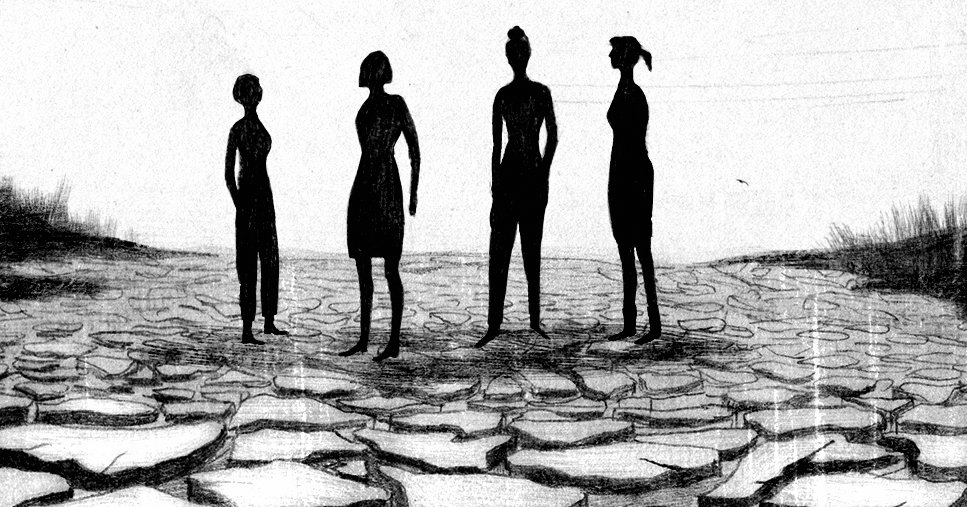
The convergence of genetic testing, disability advocacy, and reproductive freedom paints a landscape fraught with tension. On one hand, advancements in prenatal screening offer unprecedented choices to prospective parents; on the other, they place disability squarely back at a moral crossroads long thought navigated by evolving societal values and legal protections. Is the ability to screen for Down syndrome empowering or eugenic? Does genetic knowledge enhance disability rights by fostering acceptance, or does it subtly devalue lives associated with certain conditions? Feminism, born from the fight for women’s agency, finds itself grappling with these complexities. It must address a common observation: the powerful ability to discern fetal genetic makeup can feel like an invitation to selectively utilize reproductive choices, raising profound questions about the intrinsic value we place on human life, disability, and female autonomy.
The Dawn of Selective Knowing
The narrative shifts dramatically when non-invasive prenatal testing (NIPT) or comprehensive chromosomal screening (CCS) provide detailed genomic maps, including panels that can detect hundreds of conditions. Gone are the days limited to basic markers or specific syndromes. The sheer volume and specificity of information alters the calculus. This democratization of genetic knowledge, intended perhaps to empower parents with information for better preparation or informed decision-making, carries seismic implications. It moves beyond the binary of Down syndrome yes/no, hinting at a vast, uncharted territory of potential outcomes. The question shifts from “Is there a disability?” to “What degree or combination is present?” This granular awareness, while seemingly progressive, immediately sparks anxieties familiar from debates around eugenics. What does knowing mean? Who defines the thresholds for perceived viability or desirability? The power now lies predominantly with the geneticized notion of parental choice, facilitated by overwhelming data.
The Down Syndrome Paradox
The case of Down syndrome, often acting as a bellwether in these discussions, exemplifies the tension. For decades, disability rights advocates championed inclusion, fought against discrimination, and reframed the condition as a part of diverse human experience. Their efforts succeeded in changing hearts and minds in many circles, fostering acceptance and highlighting personhood over pathology. Yet, the advent of highly accurate screening dramatically reshaped its medical and social trajectory. It became, often, a catalogue number instead of a descriptor. This presents a formidable paradox: while societal attitudes have supposedly evolved towards acceptance, technological capability simultaneously raises the specter of elimination on a broader scale. There’s a hint here of a more primal narrative, where certain states are deemed undesirable, challenging the contemporary feminist project of reclaiming reproductive autonomy entirely disentangled from potentially discriminatory applications. The fascination lies in witnessing the collision of profound ethical progress and unforeseen biological consequences.
A Future Beyond Down Syndrome?
The ethical dilemma extends far beyond Down syndrome’s twenty-first-century mapping in diagnostics. We stand on the precipice of routinely identifying variants for neural tube defects, cystic fibrosis, sickle cell anemia, muscular dystrophy, and countless other, often less visible, conditions. Beyond single-gene disorders, the potential exists to screen for predispositions to complex behavioral syndromes or even conditions that future society might label differently. The focus narrows increasingly onto the potential for suffering, longevity, and perceived quality of life. But quality of life, of course, is a highly subjective and societal construct. Decisions based on fetal genetic status become inherently value-judgment laden. If we can screen for conditions once relegated to institutional care or perceived stigma, what does it imply about our collective psyche? The insistence of some medical professionals and researchers to label certain prenatal diagnoses (like Down syndrome) primarily as “genetic conditions” rather than developmental disabilities, aiming to normalize acceptance, ironically distances society from confronting the difficult choices that might follow positive tests. This subtle linguistic shift hints at a deeper societal yearning to avoid confronting the moral questions genetic testing poses.
Disability Rights and the Imperative of Inclusion
The push for disability rights, a cornerstone of modern social justice, compels a critical stance towards any form of potential discrimination facilitated by genetic knowledge. Feminism should side with disability rights, emphasizing the social model which argues that disability is often created by environmental barriers, not inherent impairment. Intersectionality demands we recognize how disability intersects with race, class, gender identity, and other factors – experiences profoundly shaped by systemic inequities rather than mere biological fate. However, this focus on social integration and legal protection cannot ignore the medical realities. The potential for prenatal diagnosis to predict health challenges raises questions about the nature of parenthood itself – whether it holds an implicit promise of a perfectly healthy child. This tension underscores that ensuring reproductive choice does not equate to forcing acceptance of genetic determinism. Disability rights advocates must engage not only in decriing discrimination but also in shaping the narrative around genetic information, advocating for support systems and societal structures that embrace individuals regardless of their genetic makeup.
The Unveiling of Reproductive Intent
At its core, this intersectional dilemma boils down to an unsettling truth: modern genetic testing offers information capable of altering reproductive intent with unprecedented precision. The power to choose – traditionally applied to the avoidance of serious fetal anomalies – now potentially extends to countless other variables. This is a stark departure from the perhaps earlier feminist focus purely on terminating unwanted pregnancies or avoiding life-altering conditions. Feminism must scrutinize reproductive choice not just as a right to termination, but as the right to define a desirable life and health trajectory for a potential child. But where does the definition of “desired” stop and the definition of “undesired” or “suboptimal” begin? The subjective interpretation of genetic data varies wildly, influenced by parental anxieties, societal pressures, and future medical uncertainties. We are entering an era where the very criteria for embracing new life are being redefined by evolving technology and our own deeply ingrained, perhaps species-specific, aversions to perceived frailty or difference. The profounder fascination perhaps arises from the unsettling realization that the quest for control over biological reproduction, a core tenet of feminist self-determination, might paradoxically lead us towards defining life itself in ways we can consciously exclude.
Conclusion: An Uneasy Truce
The intersection of genetic testing, disability rights, and reproductive choice is a fertile ground for ethical debate, pushing feminism and disability studies into uncharted, often uncomfortable, territory. While technology offers powerful tools, its potential misuse for eugenic selectivity looms large unless actively countered. The challenge is immense: how to uphold the principle of reproductive autonomy without inadvertently perpetuating discrimination? How to advance disability rights while navigating the complex moral terrain of prenatal information? It demands more than legal frameworks; it requires a profound societal reevaluation of how we perceive vulnerability, difference, and the very definition of a “good” life. Ultimately, the struggle is not just between technology and ethics, nor solely between feminism and disability rights, but within ourselves and our collective choices. The power to select is ours, but the wisdom and the responsibility must be wielded with equal vigilance. The tension is real, the questions unresolved, and the implications for how we value human existence, in its infinite diversity, profound.