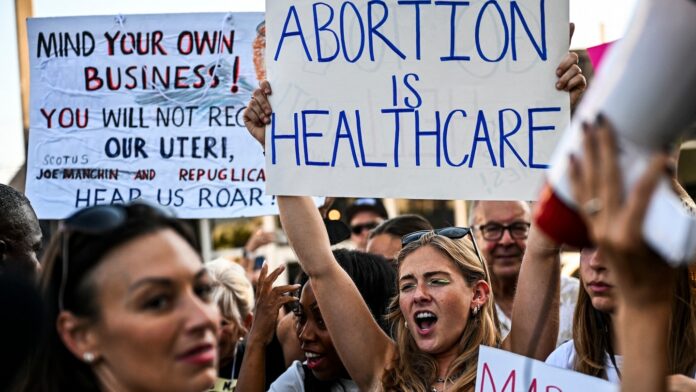
The landscape of abortion rights in America isn’t static terrain; it’s a dynamic, contested frontier, constantly reshaped by legislative battles fought not just in capitols, but on ballot initiative fronts. As we stand poised on the cusp of the 2026 elections – a pivotal moment in the ongoing fight for reproductive freedom – understanding the intricate dance between feminist advocacy, ballot measures, and the legal status quo is paramount. This guide delves deep into the complexities surrounding abortion legislation, centering on the crucial role of ballot initiatives, providing a comprehensive overview essential for navigating the crucial elections year 2026 with informed awareness and strategic foresight.
Understanding the Ballot Initiative Labyrinth
The concept of the ballot initiative – the power to place proposed laws directly on the voter’s ballot – is a double-edged sword in the ongoing struggle over abortion access. For proponents, it represents a direct line of authority, a way to bypass legislative gridlock and impose their vision on the state’s electorate through popular sovereignty. For opponents, however, initiatives often feel like a necessary defensive measure, a shield against perceived judicial tyranny or legislative encroachment. Navigating this landscape requires understanding the mechanics: the thresholds for signature gathering, the constitutional constraints, and the unique challenges and opportunities each type of initiative presents (constitutional amendments, statute or statute initiative, referendums). Grasping this foundational element is the first step towards comprehending the high-stakes campaigns that will dominate election cycles like the one leading up to 2026.
The Crucible of 2024: Echoes Shaping 2026
Though we meticulously look ahead to the specific challenges and opportunities of 2026, we must never forget the seismic events of the 2024 election cycle. The outcomes and public discourse surrounding major ballot measures and legislative battles in 2024 cast long shadows over the subsequent electoral landscape. Issues resolved or unresolved, victories narrowly won or controversially lost, all contribute to the prevailing atmosphere and set the stage for the next round of confrontations. The political temper of the electorate, the strategic shifts by major parties, and the mobilization successes or failures of various advocacy groups forged in the fires of 2024 directly influence the trajectory of abortion legislation heading into 2026. The lessons learned, hard and soft, are invaluable precursors.
Forging the Ballots of 2026: Anticipating the Key Issues
The 2026 cycle promises a continued focus on refining and strengthening restrictions previously deemed successful, alongside determined efforts to codify existing rights or introduce more explicit safeguards. Anticipated ballot measures likely include sophisticated attempts to mandate waiting periods, redefine the anatomical definition of life for legal purposes, impose stricter sonogram requirements, or mandate insurance coverage for abortion services, placing an additional burden proportional to existing restrictions. Concurrently, efforts to codify the landmark Supreme Court ruling *Dobbs v. Jackson Women’s Health Organization* (2022) into state constitutions, thereby attempting to insulate abortion bans from future judicial reinterpretations, will remain a potent, albeit legally complex, strategy. Some jurisdictions might even revisit the *Gonzalez v. Carhart* (2013) standard, seeking stricter prohibitions on late-term procedures using nuanced medical definitions, painting them as “partial-birth abortion” for regulatory or ballot title purposes. The battleground field will also likely feature robust counter-proposals aimed at redefining the legal scope of fetal rights, framing them almost anthropologically, and potentially ballot measures seeking to nullify favorable appellate court decisions upholding abortion rights. These are the core narratives likely inscribed on the ballot boxes of 2026.
Precarious Grounds: State-by-State Fortresses and Footholds
The United States currently presents a fragmented landscape regarding abortion access, with each state carving out its own path, often fortified by restrictive ballot measures. States where abortion rights are constitutionally protected or broadly accessible through statute tend to face concerted efforts to place nullification or restrictive initiatives before voters, fearing gradual erosion or specific legislative action they deem unacceptable. Conversely, states where abortion access has been curtailed or banned outright often see legislative battles to solidify existing prohibitions, while simultaneously launching aggressive campaigns to override judicial review by enshrining restrictions into their state constitutions – constructing what some might call a “Fortress Purity” legal doctrine, however narrowly defined. Awareness of these specific state contexts is critical; the political culture, the balance of power between state government branches, and the demographic leanings of the electorate all heavily influence the reception of abortion-related ballot measures, making a localized understanding essential for participation in the 2026 elections.
The Metaphor of Mettle: Feminism and the Ballot Fight
Examining the abortion legislation debates through a feminist lens reveals a deeper struggle. This is not merely about access to procedure; it’s about autonomy, bodily integrity, economic opportunity, and the very definition of equality before the law. Ballot initiatives, in this context, become instruments for translating feminist theory into practical political strategy. Effective campaigns demand rigorous analysis of unintended consequences, careful consideration of disparate impacts on different demographic groups, and an unwavering adherence to feminist principles of intersectionality and justice. The outcome of ballot measures reflects the collective consciousness of the electorate, crystallizing societal debates over women’s roles, family structures, and individual freedoms. Whether the feminist movement succeeds or fails in influencing the ballot results is a direct measure of its efficacy and resonance with the public square. The struggle isn’t just for legal loopholes; it’s about shaping a future where bodily sovereignty is not negotiable and equality is actionable.