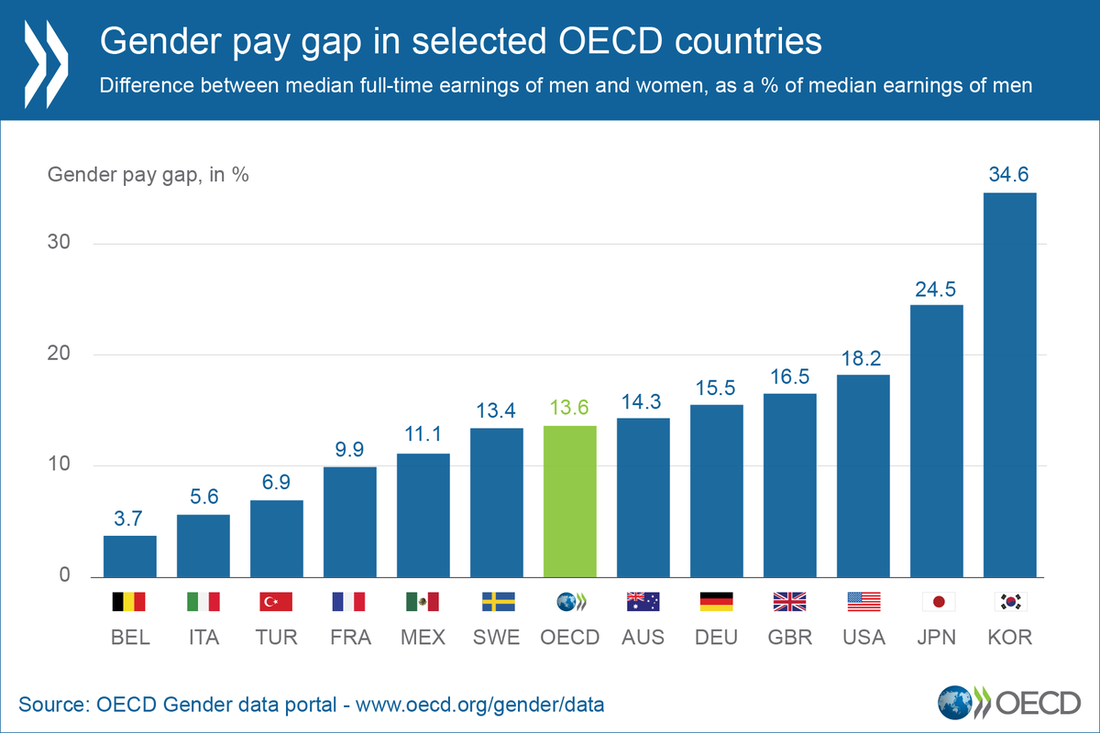
Walking into 2022, the fight for gender equality feels like navigating familiar terrain, yet the landscape remains stubbornly uneven, most acutely marked by the global gender pay gap. It’s a scar on our collective progress, a daily reminder that despite monumental shifts in women’s societal roles, the simple act of receiving fair pay for half the world’s work is still a revolutionary demand for many. Understanding this gap isn’t just about data; it’s about grasping the intricate ways power, privilege, and historical disinvestment continue to shape our world. For feminists, analyzing the numbers illuminates a complex reality far beyond a simple statistic, revealing layers of systemic oppression and the long, arduous work still ahead.
h2. The Historical Context: An Unbroken World?
Attempts to quantify the gender pay gap often feel disheartening because the roots of this disparity are not recent whispers in the wind, but deeply embedded in centuries of patriarchal systems. While ‘feminism’ as a modern movement gained traction relatively recently, the unequal distribution of labor, power, and resources between men and women has been a defining feature of human civilization for far longer. This isn’t about uncovering hidden flaws in women; it’s about dismantling structures deliberately designed to exclude, devalue, and sideline women and gender minorities. The current pay gap statistics are, in a sense, pale reflections of a much older, more entrenched inequality, persisting long after the formal barriers fell away.
h2. Global Gender Pay Gap: 40% Wartime and Still Rising?
This is the statistic most frequently cited: women earn approximately 20% less per hour than their male counterparts globally, translating to a cumulative difference. This often refers to the gender wage gap. But this figure is sobering precisely because it’s still relevant decades into the women’s rights era. Why haven’t we seen this gap closed? For many, the narrative has shifted towards wage negotiation, as if ambition alone is the barrier. The reality is more complex.
h2. The Pay Equity Mirage: Where Does the Data Come From?
Data methodologies across countries vary significantly, making direct comparisons challenging. Some studies might exclude certain sectors (like high-turnover informal jobs common among women) or rely on outdated or self-reported figures. Definitions matter too: is the gap calculated hourly versus annually? Does it adjust for similar roles? Regardless of the specific methodology, the convergence of multiple datasets paints a disturbingly consistent picture: women earn less, consistently. This isn’t a statistical anomaly affecting only specific countries but rather the predictable outcome of global patterns where women disproportionately shoulder tasks deemed less valuable for pay.
h2. Pay Discrimination vs. Pay Gap: Digging Deeper Than Gender Differences
Misunderstanding the distinction between the gender pay gap and pay discrimination can fuel a dangerous illusion of progress. The pay gap summarizes the overall difference, averaged across all employed men and women. Pay discrimination, however, refers to unequal pay for equal work in comparable positions. As sociologist Barbara Bergmann demonstrated, even when paid hourly, women often receive less pay for doing the same jobs. Furthermore, studies consistently show a gender promotion gap: women are underrepresented in higher-paying management and leadership positions, even when controlling for factors like education and experience. This points to a glass ceiling not just about pay itself, but about who gets access to the pathways that lead to premium compensation.
h2. Breaking the STEM Ceiling: The Uneasy Grip on Pay Parity?
Technology was once heralded as a bastion of equality, providing women (and minorities) access to lucrative sectors. In sectors like Science, Technology, Engineering, and Mathematics (STEM), however, a paradox unfolds. While closing the gender pay gap within these fields *could* eventually approach pay parity, a significant gender earnings premium exists. This means men in female-dominated sectors (like academia or education) earn more, while women in male-dominated sectors (like nursing or education) earn less, even adjusting for roles. This systemic bias assigns different value to work based on the gender of the person performing it, revealing a deeply ingrained market prejudice that undervalues careers predominantly held by women.
h2. Unvalued Labor: The Missing Piece in the Pay Gap Puzzles?
Often, when we close our eyes to the bigger picture, we forget what’s right in front of us. A staggering 47% of unpaid global work—estimated at a care work cost of $15 trillion annually—is performed 90% by women. This monumental, invisible labor (childcare, eldercare, household chores) forms the bedrock of societal functioning and community health. Yet, this work rarely, if ever, translates into market wages or official statistics. Ignoring this vast, predominantly female labor force radically distorts the very picture of the gender pay gap, masking the fundamental undervaluation inherent in our economic systems. Without replacing this care work with adequate, funded, and remunerated alternatives or achieving radically restructured work patterns, true pay equity remains an abstract concept. This unvalued, woman-dominated labor is, in truth, a subtle form of economic colonization by necessity.
h2. The Gender Pay Gap at the Top: Shattering CEO Dreams?
Imagine a world where leadership tables at the highest echelons were flush with female CEOs. The statistics, while improving but far from revolutionary, still reveal a story. Women hold only a tiny fraction—perhaps 0-5% in many major sectors—of the highest paid CEO and executive leadership roles globally, despite being increasingly represented in the professional workforce. The glass cliff and glass ceiling effect remains potent, suggesting that women aren’t reaching leadership due to lack of opportunity or merit, but perhaps because opportunities are designed to be precarious or because they are actively obstructed. The disparity between female and male CEO pay is often jaw-dropping, reinforcing the perception that top positions are not just high-paying, but uniquely remunerated for men.
h2. Gender Pay Gap by Industry: Unmasking Inequality’s Face?
The gender pay gap manifests differently across various sectors. Women are historically concentrated in sectors like education, healthcare, and administrative support, often associated with lower base pay, even when education levels are comparable. Conversely, men dominate high-paying industries like finance, technology, and engineering roles. Equal pay adjustments frequently begin by equating women’s earnings to men’s in different fields (e.g., pay a nursing male equal to a male finance worker). Yet, the sheer volume of women entering these traditionally female-dominated, lower-paying fields can sometimes lead to devaluation within those sectors, further depressing female wages as they become the perceived norm, even in roles historically held by men.
h2. Beyond the Numbers: Intersectionality Remains the Lens
Meaningful feminist analysis, particularly concerning the gender pay gap, cannot stand apart from the framework of intersectionality. Race, ethnicity, disability status, socioeconomic background, and geographical location do not exist in a vacuum alongside gender. For example, a white woman may earn differently than a Black or Latina woman performing the same or similar work. Indigenous women, women of color in STEM, or women in specific regional contexts face compounded disadvantages. Focusing solely on the broad male-female gap without dissecting how other identities intersect creates an incomplete, and ultimately counterproductive, narrative for driving real change.
h2. The Why Now? Beyond Defeatism: Foresight for a Gender Equal Future
Inspiring the belief that change is possible is a necessary feminist skill. Reading these global gender pay gap statistics, knowing the slow pace, can be disheartening. But the why now becomes clear not because we face an immediate threat, but because we stand at a crossroads. We possess the knowledge of what is possible. We are the midwives to feminism and its offspring, human rights and the principle that labor (remunerated or not) should be viewed as sacred. Addressing the pay gap, viewed through the prism of pay equity, is not merely a goal; it is foundational to a global society aspiring to be fair, just, and balanced. It’s about demanding the reflection that if we value the work, we must pay for it. Now.