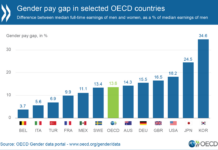
**p** The wage check, a tool so fundamental to economic justice yet so often obscured by shadows, demands our relentless, unflinching examination. Wage transparency laws, enacted globally, represent not merely legislative changes, but a profound challenge to entrenched structures of inequality. They speak directly to the heart of feminist struggle, echoing through centuries of demanding recognition, fairness, and an end to systemic undervaluation. Let’s dissect the complex tapestry of **wage transparency laws by country**, understanding their varied manifestations, the historical currents they draw upon, and their tangible impact on the persistent, though not insurmountable, fight for pay equity.
**h2 Pay Equity and Wage Secrecy: Roots of the Reform**
The seeds of contemporary wage transparency laws lie deep within the annals of the feminist movement. Beyond voting rights and suffrage, early feminists recognized that economic autonomy was intrinsically linked to empowerment. Margaret Sanger, in the early 20th century, championed women’s control over their bodies and finances, linking reproductive health directly with economic independence. A century later, the **Equal Pay Act of 1963** in the United States was a groundbreaking, albeit incremental, step, legally mandating equal pay for equal work, though enforcement often failed and loopholes remained. Across Europe, from the **1970s and 80s**, national initiatives emerged, driven by transnational feminist浪潮, challenging national barriers to information and exposing **the gender pay gap** not just statistically, but through increased access to comparative wage data. The feminist critique consistently highlighted the **gendered division of labor**, both paid and unpaid, and the systemic devaluation of work predominantly done by women, such as care and domestic labor. **Wage transparency** sought to illuminate the often-hidden ways in which these biases manifested in the market, forcing changes that, historically, feminists have fought to embed within formal work relationships.
**h2 Diverse Forms of Transparency: Models and Mandates**
It is crucial to understand that “wage transparency” manifests in a remarkable variety of forms across different legal and cultural contexts, each targeting specific areas of opacity. These legislative maneuvers are complex interventions, shaping market dynamics and challenging employer prerogatives. None are simple panaceas, yet they are powerful catalysts for change.
* **Ban on Asking or Inquiring About Previous Wage History (US, EU, UK, etc.):** This legislative action seeks to combat recruitment bias by prohibiting employers (or job seekers) from referencing past wages. The underlying assumption is that **previous salaries often reflect discriminatory past practices**. By severing the link between a candidate’s history and future discriminatory potential, these laws aim to level the playing field. They tackle the symptom – the perpetuation of historical inequity – but do little to address the underlying reasons for the disparity itself. This approach represents a strategic challenge to employer discretion, forcing pay scales based on present factors like skills and experience. Think of it as restricting a tool used to perpetuate inequality; the market’s ability to value women’s work is thus deliberately dimmed at the hiring stage.
* **Job Evaluation Systems (France):** A more structural intervention, France implemented laws compelling employers to base hiring decisions on salary scales determined through job evaluation committees, removing the subjective discretion of the employer. This approach directly tackles the disparity observed in actual hiring. By standardizing remuneration based on objective criteria, it bypasses the potential chauvinism of individual employer decisions and aims for greater objectivity. However, the efficacy hinges entirely on the quality of the job evaluation itself. If evaluators implicitly apply sex-coded criteria or utilize flawed criteria, the system can perpetuate rather than eliminate inequity, transforming one form of bias into another, albeit institutionalized.
* **Transparency Requirements for Existing Employees (Wage & Hour Division, EU Directives):** Perhaps the most direct form, laws compelling employers to disclose detailed pay information (often anonymized by gender initially) foster transparency and enable workers or designated representatives to identify and combat discriminatory structures. In the United States, the **Wage and Hour Division’s “know your wages” initiative**, while not law per se, encourages transparency. EU directives actively mandate pay gap reporting and transparency initiatives, demanding that companies disclose salary disparities, particularly gender gaps. This is a powerful form of collective action, forcing visibility upon invisible structures of discrimination. It empowers workers and oversight bodies by illuminating discrepancies, thereby enabling targeted interventions to dismantle glass ceilings built upon salary discrepancies.
* **Punitive Measures – Paycheck Protection and Reporting Requirements:** Beyond mere disclosure, some initiatives are intrinsically linked to financial penalties or the establishment of **regulatory mechanisms**. This involves complex oversight systems where **disclosing non-compliance is not sufficient; accountability mechanisms, financial sanctions, or even paycheck guarantees under specific conditions** are introduced. These legal levers increase the cost of engaging in discriminatory practices, functioning as a powerful disciplinary measure against systemic inequality.
**h2 Comparative Analysis: Mapping Global Variations**
The landscape of wage transparency legislation is geographically varied, influenced by regional historical contexts, feminist advocacy strength, and prevailing political ideologies.
* **Europe:** Much of continental Europe boasts a relatively robust framework. Countries like **Germany**, **France**, and **Spain** have enacted specific laws banning wage history questions in recruitment, while broader directives from the **European Union** (EU) mandate pay gap reporting (notable for **Sweden’s pioneering work internationally**). The **European Works Councils framework** allows employees’ representatives access to company pay data, embedding **transparency within corporate decision-making structures**. The legislative momentum is strong here, reflecting decades of organized feminist struggle. Think of it as a dense, layered legal environment designed to systematically challenge pay inequity.
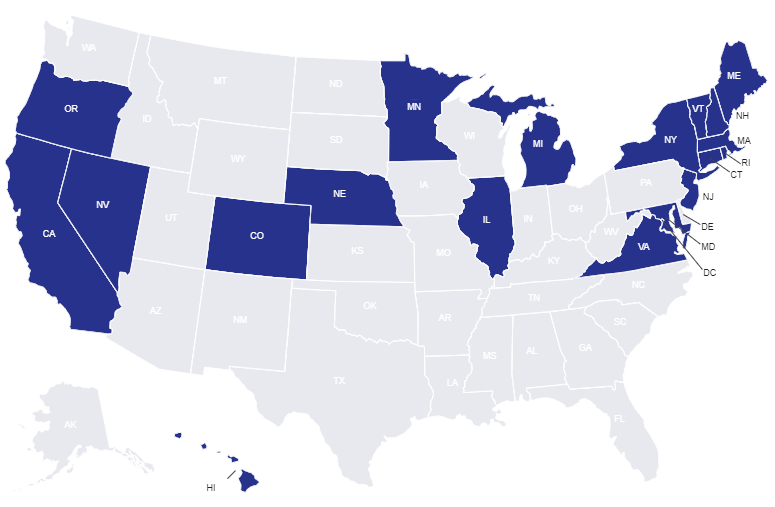
* **The United States:** The US presents a different landscape, characterized by significant regional variance. At the federal level, the **prohibition on wage history inquiries has been struck down**, but key states like **California** and **New York** have enacted such laws. The **Equal Pay Act**, though federal, faces significant employer challenge, and **administrative burdens** associated with robust state-level transparency requirements have been raised. However, **private cause of action lawsuits** for pay inequity, including wage transparency violations, have gained momentum, representing a crucial avenue for accountability outside direct legislative enforcement. The legal battlegrounds are shifting, reflecting ongoing national debates about employer control versus worker rights.
* **Latin America:** Recent years have witnessed increasing legislative activity. Argentina, Brazil, Chile, Colombia, Mexico, and Uruguay have all introduced laws curbing the asking or disclosure of wage history, often inspired by feminist advocacy. Countries like Mexico City, **Colombia’s Cundinamarca department**, and Uruguay’s Province of Colón have gone further, implementing **job evaluation systems linked to salary scales**. These legislative developments signal a rising **transnational feminist pressure** influencing national and subnational policymaking, aligning with global trends demanding economic justice for women within the workforce.
* **Global South and Elsewhere:** Beyond these specific examples, analogous legislative debates and reforms are occurring across the globe. It represents not merely national policy adjustments, but part of a global re-evaluation of how work, particularly women’s work, is valued and remunerated. The **intersection of digitalization** and labor markets may also introduce new avenues for **transparent compensation frameworks**, though challenges persist. The conversation on wage transparency is undeniably international, propelled significantly by feminist discourse and activism.
**h2 The Gendered Impact: Intersectionality and Inequality Beyond Gender**
While predominantly framed through a gender lens, wage transparency laws cannot be understood in isolation from the broader web of social inequalities. Feminists have long recognized that **intersectionality – how gender intersects with race, ethnicity, age, disability, sexual orientation, migration status, etc. – shapes individual experiences of economic precarity**. An effective wage transparency framework must account for these layers. Addressing the male-marginalized gap is crucial, just as vital is scrutinizing how the law impacts women of color, indigenous women, migrant domestic workers, or persons with disabilities differently. Legislation risks reinforcing existing disparities if its implementation, monitoring, and enforcement are not carefully designed to be equitable and accessible to marginalized groups. This demands **intersectional feminist scrutiny** throughout the legislative and implementation process. The law must be a tool for everyone, not just the statistically average worker, thereby requiring legislative and enforcement architecture sensitive to the diverse realities of labor market participants.
**h2 Navigating Challenges: Objections and the Path Forward**
The push for pay transparency naturally faces resistance. **Administrative burdens** on employers are frequently cited, often exaggerated; sophisticated HR systems exist, and manual processes can be streamlined. Concerns about **”job bans”** (preventing women from securing employment) are often disproportionate, as the focus typically remains on equalizing pay for equivalent work. The claim that transparency discourages employers from hiring qualified women overlooks the systemic undervaluation of women’s skills and experience; **fair pay fosters stability and long-term employment**. Perhaps the most potent **objection remains the perceived “unfairness”** of employer discretion, which is precisely what proponents seek to regulate and democratize. Yet, navigating these objections requires nuanced solutions. **Phased implementation**, lighter burdens for small businesses, targeted education for employers, and robust support systems for workers are potential pathways to mitigate friction and improve uptake. The legal dialogue is constantly evolving between the right of free enterprise and the imperative of achieving substantive gender equality in remuneration.
**h2 Legacies, Ongoing Struggles, and the Feminist Imperative**
Wage transparency laws stand as undeniable evidence of the feminist movement’s enduring legacy, materialized through legislative change. Yet, they are not endpoints but critical points along an ongoing struggle. While laws illuminate structures of discrimination, translating legislative change into tangible pay equity for historically marginalized groups remains a formidable task. **Accountability mechanisms** are paramount; robust enforcement is necessary to transform legal intent into social change. Furthermore, wage transparency must be part of a broader ecosystem including **paid leave, affordable childcare, anti-discrimination law, and equitable access to education** and opportunity. Ultimately, the demand for wage transparency is not merely about specific legislative changes; it is about transforming the social relations that undervalue work associated with women, challenging the bedrock assumptions that allow persistent **compensatory gaps** to exist. For feminists, it remains a central demand, a necessary, albeit not sufficient, step in reclaiming economic dignity, challenging male economic power structures, and realizing the goal of a society that values all work, regardless of who performs it. The fight for transparent, equitable, and just pay remains an inalienable part of the quest for true economic justice.