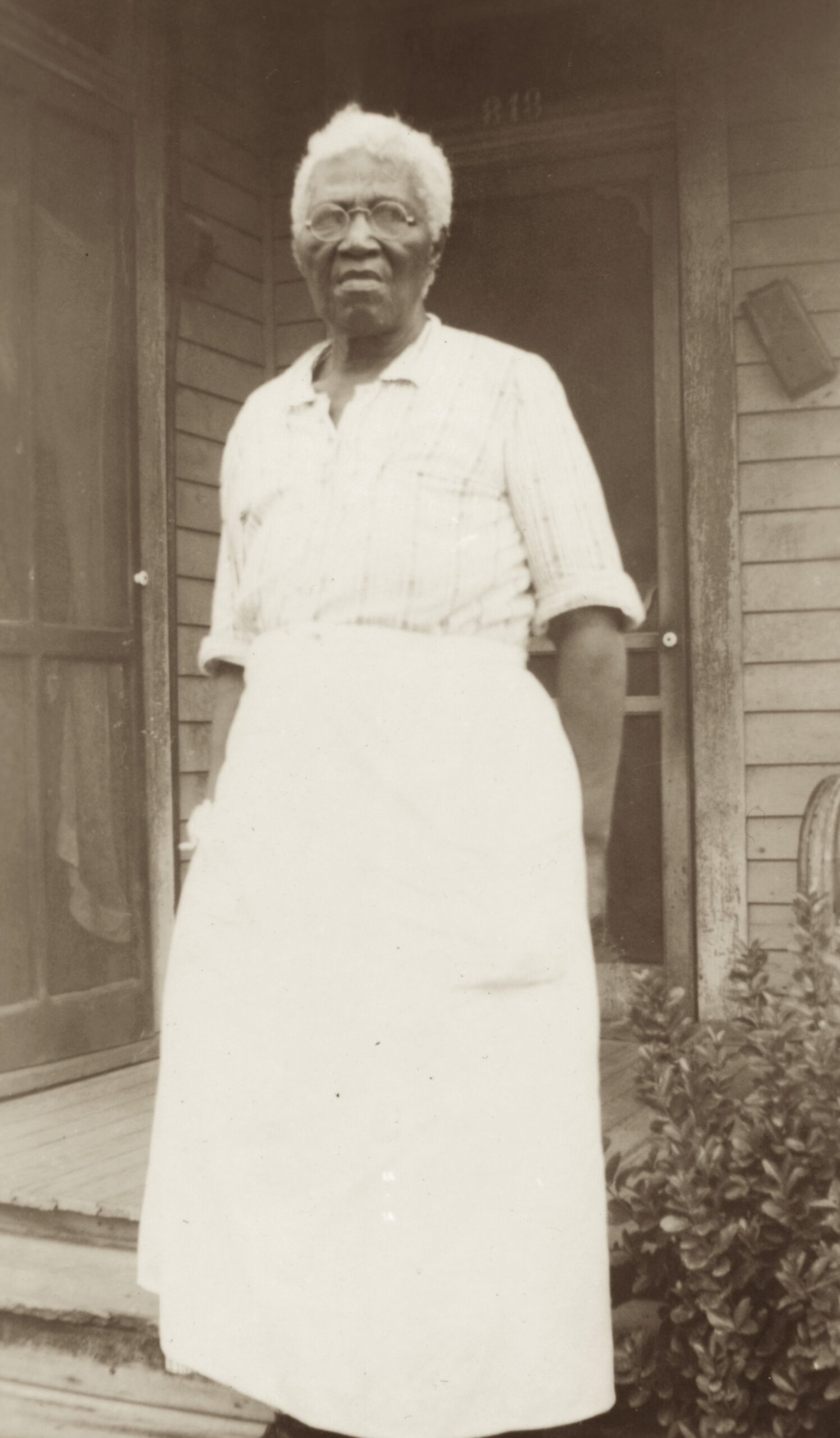
Imagine peeling back layers of economic history, often overlooked, revealing a foundation built not just on factory whistles and corporate titans, but on a vast, intricate web spun from unpaid domestic work. The narrative of modern economies, often simplified into a linear progression, frequently marginalizes the indispensable role of women’s unpaid labor, a force quietly shaping landscapes far beyond traditional spheres of influence.
The Genesis: Kinship as Capital
Before the factories loomed large on the industrial horizon, economies thrived on a different logic – one rooted deeply in kinship and community. In agrarian societies, the bulk of production and consumption occurred within extended families and local networks. Men often tended fields and fended external threats, but the bulk of sustenance creation, resource management, and child-rearing, the very bedrock of future participation, fell predominantly to women. Their labor wasn’t just work; it was embedded in domestic institutions, a prerequisite for individual economic agency and societal continuity. The ‘home economy’ was, paradoxically, a powerhouse, its invisible hand fostering resilience and localized prosperity.
The Industrial Mirage: Shifting the Weight
The dawn of the Industrial Revolution promised liberation, an escape from the confines of domestic servitude. Factories beckoned, creating new narratives of wage labor, skill acquisition, and, initially, more leisure time. Yet, this transformation was anything but uniform. As men migrated to burgeoning industrial centers, the weight of household management and child care, primarily shouldered by women, intensified. Factories churned out goods, but they did not replicate the entirety of what a functioning household required. Cooking, cleaning, educational reinforcement, emotional labor – these tasks multiplied, often within crowded, sometimes hazardous living conditions. Was the seemingly free time a factory worker had truly liberating? Or was it a recalibration, transferring economic necessity from manual farm labor to the invisible realm of domestic production?
The Unpaid Nexus: Sustaining the System
In the subsequent century of formalized economic systems, the dichotomy between paid and unpaid labor became entrenched. Economists measured progress in monetary terms, visible transactions. Unpaid work, however, remained a hidden variable, a necessary cost absorbed unevenly. Consider the childcare provided by mothers – ensuring that future paid labor was available, trainable, and compliant. Or the meticulous management of household budgets, coordinating scarce resources and absorbing the costs of care for the sick, elderly, and dependent. This “labor embedded in domestic institutions,” as economic historians sometimes term it, flowed constantly but unseen, directly funding the waged economy’s expansion, either through direct household income generation (like running a small farm plot alongside industrial work) or by subsidizing the education and health of future producers. It was the engine grease lubricating the machine of modern capitalism, its absence unimaginable if it were explicitly accounted for.
Economic Asymmetry: The Persistent Double Count
Modern economic metrics continue to perpetuate this asymmetry. Consider GDP, the primary measure of national wealth. Who benefits when a stay-at-home parent cooks a meal, cleans the home, and cares for a sick child? The household, perhaps, but the transaction isn’t recorded against the GDP. GDP captures production, the creation of goods or services for sale, not the vital ‘reproduction’ of human capital necessary for a functioning economy. This leads to a dangerous undercounting. Studies attempting to value unpaid work consistently find it represents a significantly larger contribution to national economies globally than formal employment in many sectors. Yet, it remains excluded, not because it lacks economic impact, but because it lacks a waged form. This exclusion skews our understanding of prosperity, social equity, and the fundamental costs of our economic system.
The Narrative Shift: Time to Value the Unvalued
Feminist scholarship has, for decades, attempted to excavate this submerged world of unwaged labor. It’s more than an academic exercise; it’s a crucial reframing of our economic history and present. Ignoring unpaid labor is not just a numbers game; it fundamentally distorts our perception of who contributes, who benefits, and on what terms. The revolution for women’s economic rights didn’t begin and end with the fight for suffrage or formal ‘equality’ guarantees. It must now confront the equally pervasive, invisible structures that continue to tether women’s productivity, both paid and unpaid. Valuing this work intellectually transforms it into an economic and political fact, demanding systemic change: parental leave restructured for collective responsibility, affordable childcare not merely a social service but an economic prerequisite, fairer tax systems acknowledging domestic contributions, and respect for the diverse forms of care work.
Conclusion: Rewriting the Final Chapter
The history of modern economies is, therefore, incomplete without acknowledging the colossal contribution of women’s unpaid work. This was not mere drudgery; this was the invisible scaffolding upon which societal (and therefore economic) progress rested. As we stand poised on the cusp of new economic paradigms – from gig economies to sustainable models – the question arises: can a truly equitable and sustainable future be built on a foundation that continues to ignore half of its essential work force, both human and conceptual? The value embedded in unpaid domestic labor wasn’t bestowed gratuitously; it was rendered visible, only through the lens of historical and economic scrutiny, forcing a profound recalibration of our understanding. The final chapter of economic history remains unwritten, but the ink necessary to pen it includes recognizing every contribution, paid and unwaged, across all societies.