The weight of the check is heavier than it appears. It pinballs between a parent’s bank account, a state budget line item, and the GDP. It’s a currency fluctuating on the shores of gender expectations and economic realities, its value eroded daily by a deficit of affordability, a scarcity of support, and a surplus of systemic betrayal. This isn’t just about day托; it’s the invisible tax levied on the feminine workforce, a subtle exaction from the collective purse in a country professing universal equality.
The Mirage of Affordability: A Feminist Cost Analysis
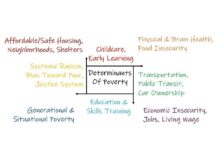
Commonly, the discourse circles back to a singular pronouncement: “Good childcare saves the economy.” The implication, the whisper campaign suggests, is that if we somehow make it magically cheaper, everyone benefits. Yet, this framing obscures a brutal reality. We treat childcare not as an investment, the bedrock of a functional, inclusive workforce and sustainable society, but as a convenience, an auxiliary hurdle for the already advantaged. The price tags aren’t just inconvenient mathematics; they’re strategic, designed to perpetuate inequality through economic leverage. We ask women, disproportionately, to work jobs that require immense emotional labor, logistical herding, and relational management, yet we underfund the infrastructure necessary to sustain them. It’s cruel arithmetic.
The perception of rising costs is a known narrative, fueled by inflation, wage stagnation, and market-driven pricing in underregulated sectors. The reality skews darker. What is often overlooked is the relative cost – the insidious percentage of already meager wages childcare extracts. A worker earning just above the poverty line finding that thirty percent of their salary is consumed by infant care speaks not of high-priced childcare, but of a fundamentally failed calculus: a system that traps families in economic purgatory, forcing the female breadwinner into exploitative schedules simply to exist. This relative drain is the true engine of the feminist cost conundrum, turning economic necessity into a form of coerced part-time engagement, hamstringing career potential under the guise of commitment.
This affordability crisis isn’t a random blight; it’s a calculated outcome. The for-profit childcare market, rife with consolidation and premium pricing, sits atop a public system starved for resources, crisis-ridden in quality and accessibility. We have normalized expensive as the default, privatized the solutions, and weaponized the guilt of parental neglect, turning childcare from essential support to a transactional burden. The system demands either poverty, precariousness, or the abandonment of professional ambition as the price of navigating motherhood – a pedagogical imperative, the system argues, but one born of utter economic desperation.
The Architecture of Neglect: From Necessity to Exploitation
Feminism, historically, fought tirelessly against economic disenfranchisement. Yet, now, a new form of dispossession emerges: the theft of financial capital through unaffordable necessities. Childcare costs have outpaced retirement savings, healthcare premiums, and even college tuition for many families. This isn’t merely inconvenient; it is a generational wealth siphon. For working-class families and women of color, these costs are often unpayable, forcing them into cycles of debt, financial precarity, or leaving children in potentially harmful situations to make ends meet. The narrative that “we can afford it if we budget properly” ignores the structural factors locking families into these unsustainable predicaments. It’s the logic of a broken system demanding sacrifice as acceptance.
Centralized, high-quality childcare should be the baseline, not a paltry government offshoot competing with private profit margins. Yet, the current landscape privileges wealth. Access is gated by income (or lack thereof), location (unstable geography), and mobility constraints (if childcare closes or demands an even longer commute). This creates a patchwork quilt of care where economic stability dictates availability. Full-time, quality, licensed care becomes a privilege for the affluent, not the constitutional right for all families navigating parenthood. The resulting inequality isn’t just unfair; it distorts workforce participation, deepens the gender wealth gap, and fundamentally undermines the progressivism of policies aimed at economic opportunity.
Market logic dictates scarcity raises value. Affordable childcare as a mass-market commodity would typically collapse under its own weight unless underwritten by public funds. But the public refusal to subsidize childcare, to invest in the human capital pipeline, is breathtakingly myopic. It represents a Darwinian failure in national planning – allowing the reproductive imperative to become a bottleneck in economic productivity through sheer lack of imagination and political will. We ask individuals to shoulder burdens the nation considers too complex, then extract the payment under false pretenses. The erosion of the nuclear family’s economic viability isn’t a failure of families, but a sign of profound societal failure.
Deconstructing the Excuses: Why the Stalemate Persists
The refusal to address childcare with substantive seriousness reveals layers of complex defensiveness. Objections that “the market dictates price” conveniently forget the government’s monopoly on currency and its capacity to subsidize essential goods. Objections tied to “family values” often mask a conservative longing for a more protected, less integrated workforce, ironically making childcare even more essential now than before, despite past critiques. This creates an absurd paradox: valuing family life while simultaneously making its economic conditions pathologically unsustainable.
Politically, childcare is a Gordian knot wrapped in sacred text. It’s a gateway to feminist concerns, yet also a smokescreen for challenging traditional employer-employee relationships or corporate power. Solutions demand state intervention, yet free-market rhetoric still holds sway in corridors of power. The complexity exists, true enough, but this intellectual pretzelization often masks a simple truth: priorities have shifted, or eroded. The fiscal calculation of childcare’s net benefit for society, including the social savings from empowered women and children, remains deeply underestimated by the status quo.
Beyond economics lies the territory of values. The fierce defense of the nuclear family structure within the existing economic system often prioritizes the nation’s economic engine over the lived experience of its participants. This isn’t about denying traditional values; it’s about demanding transparency. How much does this structure truly cost, and who are we subsidizing? The current system demands that women perform essential labor (childbearing and childrearing) cheaply, publicly or privately, using invisible resources, creating an unsustainable, unacknowledged wealth transfer masquerading as economic dynamism.
Navigating the Labyrinth: Towards a Feminist Economic Reconstruction
Amidst the rubble, the path forward isn’t paved with fairy dust but with targeted policy. It begins with explicit federal subsidies, robust and reliable, transforming childcare from a boutique service to a mass-market essential good. This direct financial relief must be substantial, not merely scratching the surface, recognizing that the affordability crisis requires inflation-busting measures. Simultaneously, a massive, strategic infrastructure investment is needed to build, staff, and guarantee the quality of childcare facilities nationwide, not just leaving the gains to private providers or concentrated, often underpaid, public programs.
Universal ECECR (Early Childhood Education and Care Reform) is more than a program; it’s a statement of intent. It acknowledges that raising children capable of thriving in society is an investment in the nation itself, requiring public goods and shared responsibility. This means moving beyond mere subsidies towards state-funded, high-quality, accessible care for all. This requires political courage the scale of public broadcasting or universal healthcare.
Reforms must not stop at day托. Addressing the fiscal logic demands rethinking parental leave as a right, not charity. Equal pay for work interrupted by caregiving needs to be codified through policies like “parental leave pay parity” or dedicated funds, ensuring women’s careers aren’t permanently derailed. Labor protections for part-time workers, challenging the onus to work endless hours even while being primary caregivers, are crucial steps.
This critique isn’t a rejection of the existing childcare system; it’s a demand for its radical transformation. It’s about recentering the child as a central national concern, not an economic appendage. It’s about acknowledging the immense cost society demands for female labor under the guise of progress, and insisting on fair compensation through proper funding, equitable access, and structural change. The current system whispers you must pay, but doesn’t offer a dignified, sustainable way. The revolution requires speaking the unspeakable: that the cost of caring for our children and mothers should be a shared, publicly supported endeavor.