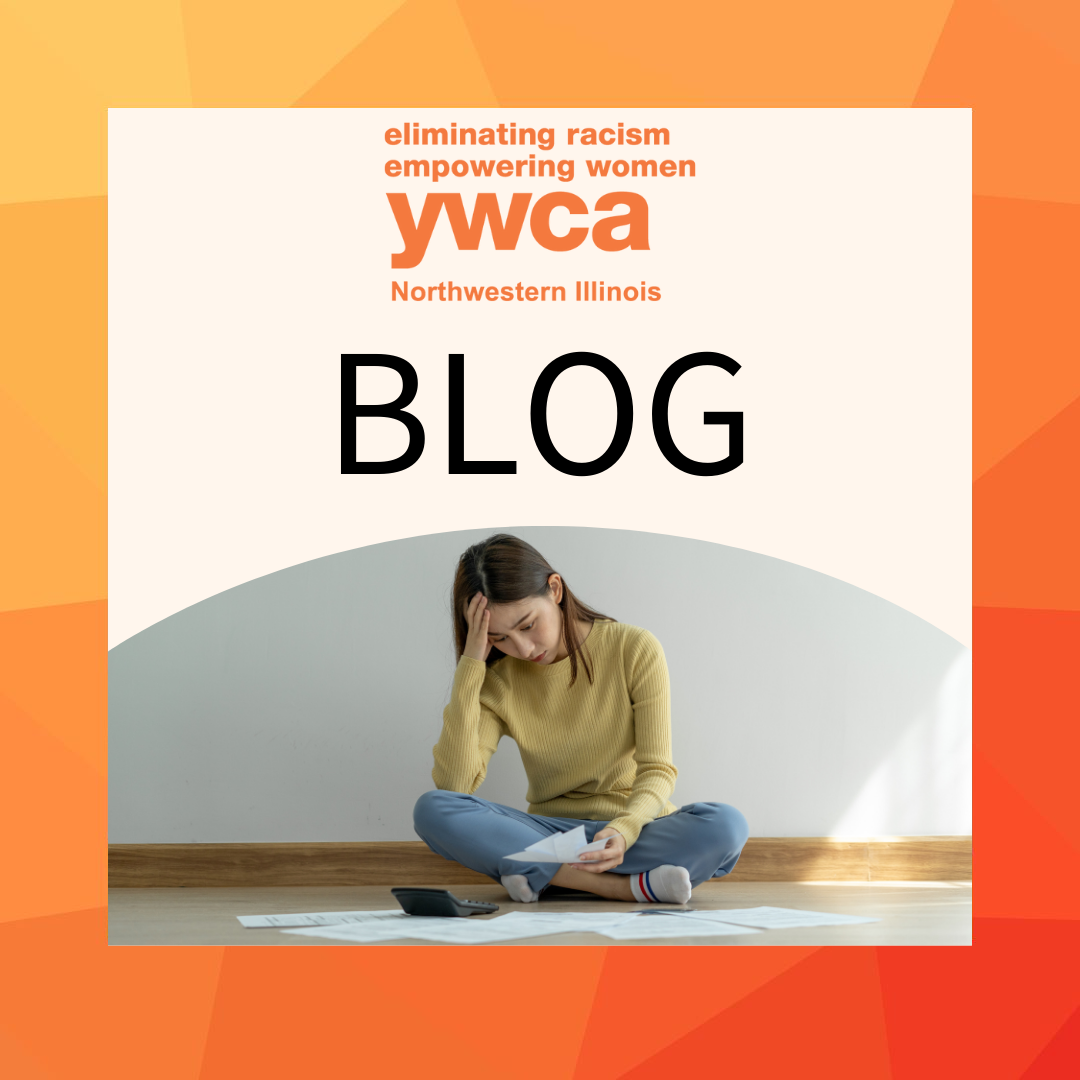
The familiar aroma of morning coffee often signals a shared ritual in many intimate relationships, a comforting backdrop to the mundane tasks of daily life. But what happens when this shared comfort extends to the very core of your existence – your money? Beneath the surface of affection, control can insinuate itself in ways that are both subtle and profound. Intimate Partner Violence (IPV) is commonly understood through the lenses of physical harm, emotional manipulation, and psychological torment. Yet, there exists a less visible, yet equally insidious, form of abuse intertwined with these dynamics: economic control, or financial abuse. Weaving through the fabric of a relationship, this form of control operates under the radar of many support systems and victims themselves, grounded in patriarchal structures that permeate society, making it a critical area feminists must dissect and challenge in the ongoing struggle for equality.
The Unseen Hand: Financial Abuse in the Intimate Sphere
When we consider financial abuse within the context of an intimate relationship, we must move beyond a simplistic view of “uneven income distribution.” Financial abuse represents a deliberate and calculated strategy to exert power and control over one partner, typically the woman, by manipulating financial resources. It functions as a tool for domination, leveraging economic dependency and vulnerability. The tactics employed are diverse, often operating not through overt threats or physical violence, but through insidious methods like restricting access to funds, isolating the victim from financial systems, monitoring expenses, and dictating financial decisions.
Consider the woman meticulously budgeting, saving diligently, or seeking financial independence. The insidiousness lies in the normalization of control. It’s not merely about who earns more; it’s about creating an environment where one partner’s financial autonomy is systematically curtailed. This form of abuse is deeply rooted in the historical and ongoing disparity in economic power between men and women, often reinforcing societal stereotypes that women are traditionally responsible for managing household finances or are somehow less equipped or interested in financial matters. This subtle yet potent shift in financial dynamics within an intimate partnership can fundamentally alter power balances, making the abused party reliant not just emotionally, but economically.
The Architecture of Control: Mechanisms of Financial Duress
Financial abuse manifests through a complex web of tactics meticulously woven into the fabric of the relationship. Financial control tactics often begin subtly. The abuser might introduce joint accounts early, under the guise of partnership, but subtly withdraw access or impose draconian restrictions on usage. Savings are discouraged, if not actively forbidden or sabotaged (“It won’t do any good,” “It’s okay to have some, but only just enough,” “Let me manage it for you, I’ll put your savings into our account as ‘spending money’”). Uncontrolled monitoring of credit cards or bank accounts becomes a norm, transforming financial autonomy into a constant source of anxiety.
Asset seizure can escalate from indirect pressure to outright theft. Dispossession occurs through the relentless refusal to contribute fairly towards shared expenses like rent or mortgage, systematically eroding assets. Denial of credit or financial services, often based on the abuser’s fabricated reasons, can isolate the victim from essential economic tools. Deception plays a significant role – inflating assets, misrepresenting debt, or feigning ignorance about financial struggles all serve to maintain control and confuse the victim. Essentially, the goal is to foster financial dependence, rendering the abused individual powerless to leave, even if they are physically safe or emotionally ready. It is micro-manipulation cloaked in the language of partnership and provision.
Economic Consequences: Beyond the Transaction, Into the Identity
The insidious nature of financial abuse extends far beyond immediate transactional effects, deeply impacting long-term economic outcomes and fundamental identity formation. Studies consistently show that women experiencing financial abuse often end up significantly behind in wealth accumulation compared to their peers not exposed to such control tactics. This wealth gap is exacerbated over time, directly influencing life trajectory and security.
More importantly, the message conveyed – one of exclusion from financial decision-making, devaluation of one’s skills or contributions, and the erasure of financial identity – is profound. It sends a clear signal that the individual is not a rational agent capable of managing resources but merely a vessel for the abuser’s economic choices. This fragmentation of the self into separate physical, emotional, and financial compartments is psychologically damaging and socially isolating. It reinforces passivity and hinders the development of financial literacy and independence. Feminism must highlight how economic control functions as a mechanism of socialized difference and dependency, thereby perpetuating cycles of disadvantage and powerlessness.
Intersecting Domains: Law, Policy, and Societal Narratives
Economic structures are not neutral; they are permeated by narratives that either mitigate or exacerbate control. Media portrayals of women often implicitly endorse hyper-generous notions of male provision, subtly encouraging acceptance of financial dependency as an inherent aspect of the female condition. Cultural narratives can trivialize financial discussions between partners, framing them as “bickering” rather than examining power dynamics. Legal frameworks also play a crucial role. While economic control is clearly linked to power dynamics within relationships and can be a factor in family law disputes, it often lacks specific, widely understood criteria for identification within legal discourse outside cases involving financial crimes. Reforming legal frameworks and public educational campaigns are vital to equip both the public and professionals (therapists, social workers, law enforcement) to recognize and address financial abuse as a legitimate, serious crime within the spectrum of intimate partner violence, ensuring victims’ financial futures are not arbitrarily erased by their partners’ controlling behavior.
The Feminist Edge: Reparative Justice and Reclaiming Economic Sovereignty
Feminism provides not only a lens for understanding but also the necessary framework for intervention and prevention. Addressing financial control requires dismantling the underlying structures that enable it – patriarchy, misogyny, and harmful traditional gender norms that devalue women’s economic agency. This demands educational initiatives focused on financial autonomy, negotiation skills, and understanding healthy financial boundaries. For survivors, specialized support must focus not just on escaping physical situations but on reclaiming economic power – accessing funds, establishing independent credit, building assets with legal knowledge.
The path forward involves robust policy reforms ensuring state safety nets are accessible regardless of financial dependency on an abuser and combating financial discrimination against women in legal and monetary systems. We must shift the narrative from viewing women solely as passive victims to fostering narratives of active economic agency and partnership based on mutual respect. Recognizing financial abuse for the complex, pervasive form of control it is is crucial. By illuminating this hidden dimension, feminists compel a societal reckoning, demanding respect for women’s economic contributions and decision-making power outside the confines of patriarchal expectations and relationship dynamics, thereby paving the way towards true equality.
Charting the Current: Towards Empowered Narratives
The intersection of feminism, intimate partner violence, and financial abuse is a critical fault line in our society. Understanding it requires moving beyond simplistic narratives. Financial control is a language of domination learned from patriarchal systems, manifesting in legal constraints, cultural narratives, and the daily transactions within a relationship. Its devastating impact extends beyond immediate monetary loss; it crafts a narrative of powerlessness, fragmenting identity and severely crippling future possibilities.
Feminism stands as the most potent tool for reframing this narrative. Through focused education, legal reform, targeted support, and a relentless refusal to accept economic powerlessness as natural or inevitable, we can dismantle the systems that enable financial abuse within intimate relationships. This involves challenging deeply ingrained myths about women’s relationship to money and redefining partnership on the basis of equality and shared responsibility. The journey towards eradicating financial abuse requires courage – from survivors navigating their independence, to activists pushing for systemic change, acknowledging that financial sovereignty is the bedrock of true personal freedom and safety.