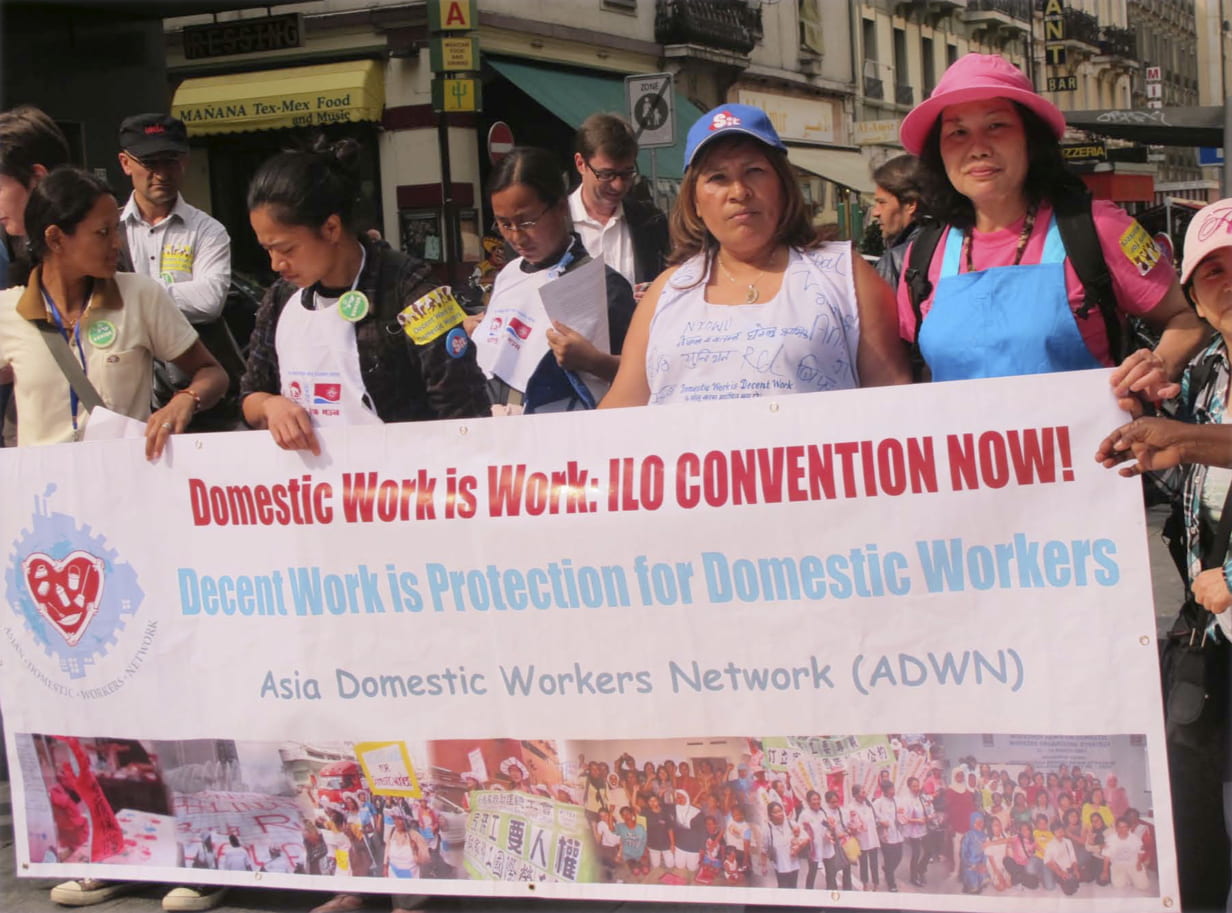
The term “Caregiver Salary” is less a literal paystub and more an intricate tapestry woven from threads of time, unseen effort, and profound social consequence. It represents a radical re-framing – not just of the low-paid working women in care roles, but of the entire complex system of domestic and familial nurturance that underpins our societies. In a reality saturated with economic metrics, this vital work has long operated on the level of an elusively phantom, its true value measured in emotional currency rather than financial one, yet its impact is undeniably, profoundly real. Let’s delve into the compelling case for valuing domestic labor not just as chores, but as what would effectively amount to a caregiver salary in real economic terms.
Defining the Elusive “Caregiver Salary”
The “Caregiver Salary” isn’t a specific figure gleaming from a spreadsheet. It’s a conceptual benchmark, a provocative thought experiment forcing us to confront the staggering worth of nurturing labor. Imagine applying market-rate economics to tasks performed predominantly by women, often without pay. This isn’t about devaluing care; it’s about revealing a vast, previously obscured economic sector. Consider the equivalent market rate for hours spent cooking, cleaning, caring for children, or aging parents. The resulting figure, while varying wildly based on geography and role, often exceeds the wages held by women in much of the formal workforce. The idea itself serves as a jarring, elegant metaphor for the hidden economy of care that sustains us all.
The Value Behind the Scenes: The Unseen Economic Pillar
Our economies run on more than GDP figures and stock market booms. Their foundations are built, largely and disproportionately, on unpaid care work. Globally, women shoulder the vast majority of this labor – tasks essential for sustaining life and social continuity, yet performed outside traditional market spaces. When we value caregiving in real economic terms – calculating the cost of services that replace these tasks (household cleaning, childcare, eldercare) – the figures become eye-watering. This work constitutes an “invisible architecture” upon which our complex societies are built. Devaluing it is like building a skyscraper on a foundation you refuse to measure. Ignoring this economic output warps our understanding of progress and wealth distribution.
Through the Lens of Feminism: Unmasking the Invisible Work
Feminism, in its relentless pursuit of equality, has long critiqued the gendering of labor. The concept of a “Caregiver Salary” amplifies these critiques. It forces us to acknowledge how reproductive labor (child-rearing, domestic tasks) and care work (nurturing, supporting) are undervalued precisely because they are predominantly assigned to women. This creates not just an economic disparity, but a fundamental distortion in how we allocate resources and social value. It highlights how patriarchal and heteronormative structures systematically extract value from female labor without adequate compensation, perpetuating cycles of economic precarity and limiting women’s participation in paid work and full civic life. It’s a feminist call to recognize caregiving not as a separate economy, but as a critical component of the whole.
The Paradox of Low Pay versus High Value: A Market Failure
This is the core contradiction: caregiving offers immense personal and societal value but often comes with minuscule, invisible pay. Compare a stay-at-home mother providing essential care and household management to a social worker performing similarly crucial tasks underpaid yet publicly recognized roles. The “Caregiver Salary” concept isn’t suggesting market pay as a solution overnight; rather, it’s a catalyst for demanding that society value services at their true price. We need policies that mirror the value embedded in a caregiver salary: think subsidized childcare (ideally universal, not merely ‘for working mothers’), wages comparable to care work equivalents for those who must leave it, perhaps forms of universal basic income or targeted tax credits, and workplace flexibility that doesn’t penalize mothers or those needing care. It exposes a market failure disguised as normalcy.
Moving Beyond: Different Types of Care Work, Unvalued Regardless
The internalized caregiver, the sole breadwinner, the long-term carer for a disabled sibling. These roles fall outside traditional service-sector jobs but represent immense value extraction. The “Caregiver Salary” metaphor isn’t gender-specific; it encompasses all nurturing roles. Whether it’s the community health worker invested in local well-being or the aging person receiving decades of care, the concept applies. It calls for re-thinking welfare systems, eldercare support structures, and disability support economics. Applying real economic terms reveals the systemic cost of this undervaluation and underscores the need for comprehensive policy reform that treats care provision as essential infrastructure.
The Gendered Economics of Care: Shifting the Burden
The idea of a caregiver salary implicitly challenges the division of labor. If cleaning, cooking, and child-rearing were economically viable professions paid market rates (ideally by the clients they serve – employers, or society collectively), then perhaps fewer women would bear the primary burden of coordinating and physically executing these tasks. However, this doesn’t mean elevating women; rather, it necessitates rethinking roles in all genders. Men, fathers, partners, society must collectively engage in the “invisible labor,” reducing the sheer volume and devaluing the necessity of traditional women’s work. But the immediate priority isn’t shifting the *tasks*, but ensuring *compensation* for those tasks performed by women now and in the future.
Valuing Care Work Directly: Beyond Tokenistic Policies
Moving forward requires more than token gestures or incremental change. We need direct, systemic valuation. Implementing “caregiver salary” benchmarks through public service delivery (for instance, funded home care workers replacing informal family care) sends a powerful message. It involves redefining national accounts to fully integrate the value of production for own use (like care provided at home). This challenges us to build an economy that consciously values human connection and well-being alongside material production. The conversation moves from asking women to do more with less pay to designing structures that support everyone equitably, recognizing that caring is both an art and an essential economy.
The Path Forward: Toward an Economy That Truly Values Care
The demand for a “Caregiver Salary” isn’t merely financial; it’s a demand for a deeper reckoning with the nature of value in our society. It calls for challenging deep-seated assumptions about gendered labor, valuing work that society *needs* regardless of its traditional location, and implementing concrete policies reflecting the true cost and benefit of care work. It requires empathy, systemic courage, and imagination. It demands we treat the vast, intricate economy of care not as a footnote, but as central – valuing it in real economic terms isn’t just arithmetic; it’s a necessary reflection of who we are and what truly matters for human flourishing.