The smoke clears, not only from the硝煙 of battle, but from the lingering fumes of tradition, discrimination, and the shattering of social structures in post-conflict zones. Here, amidst the ruins, the discourse of feminism often encounters a landscape scarred by violence. Yet, the resilience of women, the cornerstone of femininity and motherhood twisted into instruments of war, becomes the potent engine driving a crucial, albeit complex, form of resistance: women’s economic empowerment. These programs are more than mere charity or vocational handouts; they represent a strategic, deeply feminist intervention aiming to rebuild not just communities, but the fundamental economic and political agency of half the population systematically disenfranchised during conflict and crucially, denied power during peacebuilding.
Economic Sovereignty as Feminist Praxis
The narrative unfolds, central figure being economic independence. Feminism, in its core, champions autonomy, self-determination, and freedom from domination, including the pervasive ideology of economic subjugation long cultivated during patriarchal reigns, often amplified by conflict’s disruptions. Women’s economic empowerment programs directly challenge this embedded legacy. They recognize that sustainable peace cannot be built on foundations where half the citizenry remains economically fragile and dependent. Access to paid employment, dignified work, and sustainable livelihoods is not just about individual income; it is foundational for personal agency. Economic power translates into the ability to negotiate, to care for oneself and one’s dependents (including children), to challenge domestic violence, and to reclaim control over one’s body and choices – including reproductive rights stripped away or trivialized in fragile settings. This is not charity, but the rebuilding of the scaffolding of citizenship for women, a fundamental tenet of feminist struggle worldwide.
Blueprints for Reconstruction: Training, Cooperatives, and Incubation
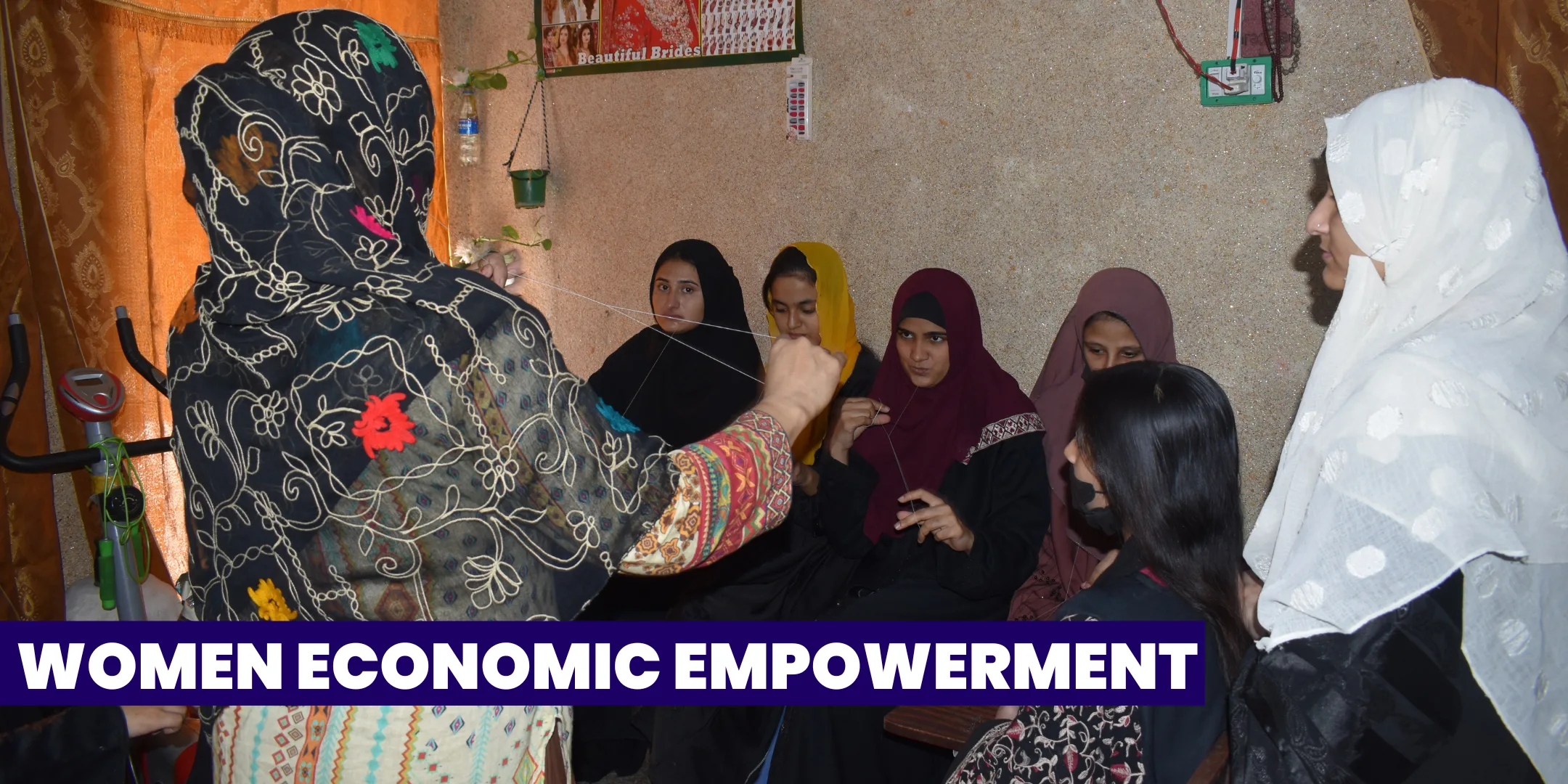
The mechanics are intricate. Vocational rehabilitation offers skills – crucial in economies gutted by conflict, where traditional, often female-dominated sectors might be decimated. Tailoring, cooking, rudimentary mechanics, artisan crafts. This isn’t just job creation; it’s reintegration, reclaiming dignity through tangible production. Micro-enterprise initiatives, fostering small businesses within women’s collectives, provide capital, mentorship, and a localized business model suited to the often-closed economies of these zones. A women-led grocery kiosk staffed and managed by ex-combatants or survivors becomes more than a business; it’s a hub for information, a display of community worth. The concept of “social entrepreneurship,” while sometimes used, often implies profit over pure empowerment; yet when women run aid organizations or cooperatives focusing on peacebuilding workshops or local goods, it demonstrates a potent synergy, turning economic activity into a force for reconciliation.

Beyond the Tokenistic: Real Estate, Tech Startups, and Political Leverage
But economic empowerment extends beyond subsistence. Programs targeting land acquisition, inheritance rights counseling, or access to formal credit systems grant women the financial wherewithal to own property – a physical manifestation of economic security and control. Navigating complex post-conflict financial markets to establish IT service businesses, artisanal cooperatives processing raw regional goods, or running guesthouses in tourist corridors – these represent more ambitious forms of entrepreneurship. The sheer ambition is noteworthy. However, the true weight of economic empowerment emerges when women leverage their earnings. Owning a building, investing in a small factory, or contributing capital crucial for rebuilding public services in a community where traditional male networks once dominated – such actions introduce a tangible, undeniable element into the political calculus. It shifts power dynamics, not just through individual acts, but by increasing women’s collective financial stake in the outcomes of peace. This isn’t pie-in-the-sky; economic participation fosters negotiation power, both behind closed doors and at community assemblies.
Intersectionality: The Crucial Tangle of Identity
However, the path is paved with complexity. Women are not homogenous victims; economic empowerment programs risk navigating the treacherous waters of intersectionality. A Somali refugee widowed by conflict faces vastly different challenges than a Kosovan Roma woman, or an Iraqi academic forced into exile. Class, caste, religion, ethnicity, disability, age, and other identities layer onto the experience of gender. An empowerment program offering high-tech training might exclude rural women or those lacking digital literacy – reinforcing existing technological divides. Similarly, programs focused solely on formal-sector employment might overlook the critical labor performed within households or the often-exploited work in the casualized, unregulated market sector, still viable post-conflict. Nailing down precise figures here is nearly impossible, as the data speaks of averages, while the lived reality demands nuance. A program that fails to address the specific barriers faced by women from marginalized backgrounds risks only superficial change. Context, context, context – understanding the precise landscape of intersecting oppressions is the prerequisite for any program to truly empower.
Survival Clusters and the Security Challenge
Economic empowerment programs face unique hurdles in post-conflict environments. Aid budgets are tight, often fragmented across security, reconstruction, and humanitarian actors. Coordination is paramount and often tragically lacking. A program aiming to train female truck drivers might clash with local drivers’ guilds or face intimidation threats from security forces where patronage networks are entrenched. Women’s access to resources themselves – land, finance, networks – was often already curtailed during conflict, and peace’s fragile tentacles struggle to restore equitable access quickly. Furthermore, deep-rooted patriarchal attitudes persist, hindering women’s participation even when the desire for peace is strong. Community acceptance is vital yet frequently contested territory. Programs embedding the goal of women’s economic participation within a broader community dialogue about peace, justice, and new social contracts stand a better chance than those perceived solely as external interventions. It requires genuine buy-in, translating feminist ideals into action understood and owned by the community, not dictated from outside.
Weaving Together: Impact Beyond Currency
The dividends extend far beyond individual incomes or new businesses. The visible presence of women in community economic functions – leading agricultural cooperatives, negotiating resource rights, serving on village savings groups, managing small peace committees funded by women’s livelihoods – serves as a powerful symbolic statement. It directly challenges negative stereotypes and the humiliation women might have suffered, particularly sexual violence, fostering a crucial process of reintegration and psychosocial healing. Economically empowered women contribute directly to child health and education, breaking intergenerational poverty cycles that conflict so often amplifies or devastates. Reduced dependency fosters greater household stability, freeing women from exploitative labor or caring tasks. The argument transforms from a purely gendered rights issue into a compelling development and peacebuilding rationale. Feminist economic empowerment is inherently about strengthening society itself.
Charting the Course Forward
The conclusion points resolutely towards the necessary future: a sustained commitment to funding, implementing, and rigorously evaluating these programs. Integrating economic justice more deeply into peace negotiations, as a core component of sustainability, cannot be overstated. Moving beyond tokenistic quotas or generic trainings towards targeted economic support that addresses pre-conflict inequalities or those exacerbated by conflict is key. Ensuring meaningful participation, representation, and leadership for diverse women in program design and management remains paramount. Feminism demands this, not charity. Women’s economic empowerment in post-conflict zones is an act of profound feminist economics, a necessary strategic move for peace, development, and human dignity. It’s not about giving roses; it requires planting seeds and confronting the hard, thorny reality of old structures. The cost? It is far cheaper than paying for the slow, drawn-out, and ultimately failed recovery attempts that ignore the imperative power of women’s labor, agency, and potential. It’s time to build the future upon the ground, not above its foundations.