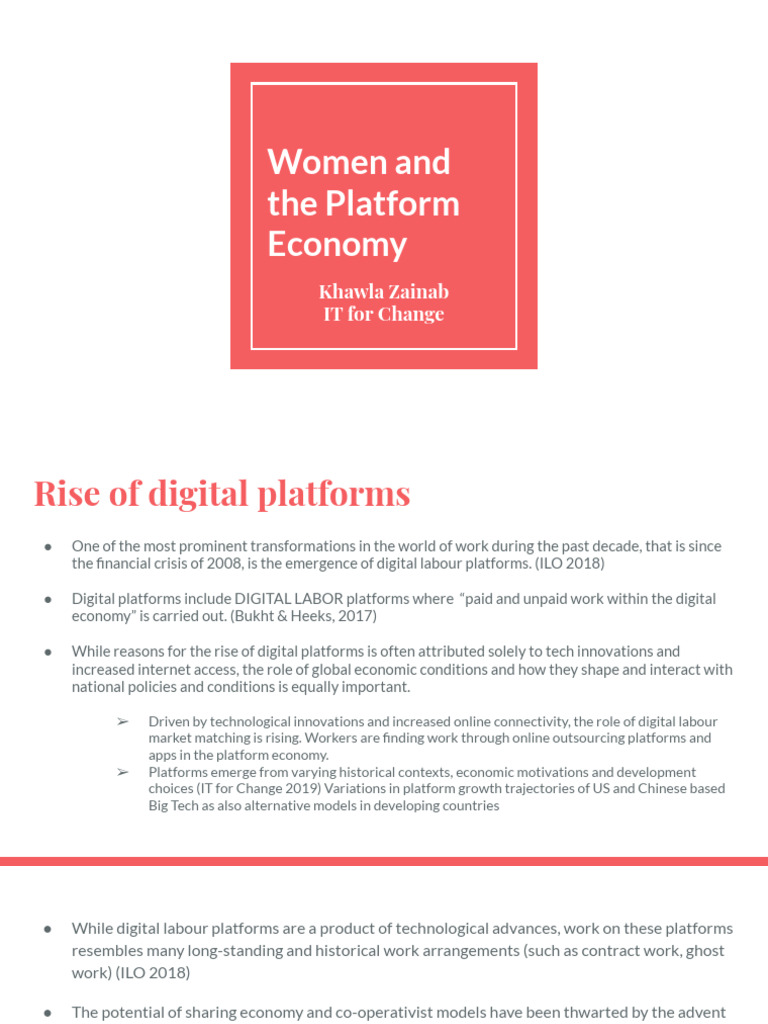
The digital tide surges, reshaping landscapes long thought immutable. Among the most profound transformations are those occurring within the gig economy, the sprawling domain of platform work. This new frontier offers tantalizing possibilities for economic participation, flexible schedules, and unprecedented reach, especially for women in the Global South. Yet, this promise unfolds against a backdrop of deeply entrenched inequalities and new forms of precarity. It is a narrative of immense potential intertwined with significant peril—a complex tapestry woven from threads of empowerment, exploitation, aspiration, and apprehension. Understanding the nuances is crucial, for platform work is not a panacea, but a potent force undeniably reshaping the lives of women in far-reaching ways.
Economic Inclusion: A New Battleground?
The allure for many women in the Global South is undeniable: access to the formal economy. Studies emerging from countries like India, Kenya, and Philippines paint a picture of women bypassing traditional employment hurdles—limited local job opportunities, discriminatory hiring practices, the ‘liability of residence’ myth preventing domestic work, time pressures from unpaid labor, and harassment concerns. Platforms often position themselves as levelers, offering income streams previously inaccessible. For instance, a rural woman with digital literacy skills can now reach customers worldwide, selling goods or services. This newfound economic autonomy resonates powerfully. The promise here is not mere subsistence, but the potential to build sustainable livelihoods, challenge dependency on male breadwinners, and foster financial independence—a radical shift that fundamentally alters traditional gender roles within households and societies.
Audacity and Agency: Redefining Work
Flexibility, the vaunted perk of the digital age, empowers women navigating complex domestic and work responsibilities. The ability to schedule shifts around childcare, education, or community chores represents a significant departure from inflexible, traditional work models. This autonomy allows women to be less constrained by rigid schedules and geographical limitations, fostering a sense of control over their time and lives. This ‘digital leverage’ offers a narrative arc where technology becomes a tool for reclaiming agency, enabling women to ‘opt-in’ to work when they choose and ‘opt-out’ when necessary. The narrative imagines a world where balancing multiple societal roles becomes less of a zero-sum game, allowing for personal and professional pursuits on one’s own terms. This shift, if realized, could fundamentally alter the definition of work and its relationship to identity.
The Mirage of Equality: Unpacking the Exclusion
Feminists scrutinizing platform work cannot ignore its inherent biases. A foundational question remains: Is access truly equal? Research indicates stark disparities in the Global South. Unconscious biases among clients, often operating within traditional frameworks, can manifest in ratings, reviews, and payment terms, reinforcing stereotypes about women’s service quality or availability. Language barriers frequently exclude non-native English speakers, limiting opportunities despite skill. Access to technology, affordable internet, and digital literacy remain significant hurdles, disproportionately affecting women in rural or remote areas. Furthermore, digital divides often correlate with lower educational attainment and poverty, further disadvantageing women. While platforms expand access in absolute terms, they may simultaneously solidify existing social hierarchies, fragmenting and potentially feminizing labor in ways reminiscent of traditional precarity.
Plight of Care Work: Digitally Displaced or Amplified?
The platform economy also intersects with the predominantly female domain of care work—the unpaid activities performed within households for personal well-being, maintaining the household unit, and childcare. Digitization offers tools that *could* enhance efficiency and reduce drudgery, yet the core burdens often remain unchanged. Women still predominantly manage the digital interfaces, coordinate online services, and bear the brunt of managing disruptions. Moreover, there exists a concerning risk of ‘digital care work’ becoming a new category of low-paid, precarious labor itself. For example, individuals are turning to platforms to facilitate domestic tasks (cleaning, grocery delivery) or even find temporary childcare, effectively monetizing women’s existing domestic labor. This risks digitizing and commodifying work currently considered beyond the market economy, potentially increasing women’s total workload under a new guise.
The Harrowing Reality: Safety and Visibility
While platforms offer increased visibility for work previously rendered invisible, they can also paradoxically exacerbate safety concerns, particularly regarding unpaid care work. Domestic helpers contracted via platforms face unique vulnerability, operating within private homes often unknown to the platform company, potentially extending existing risks of exploitation without the protective oversight of a formal employer. Client-side work, particularly in sectors like eldercare or domestic assistance, carries amplified risks not fully mitigated by platform protocols. Furthermore, digital harassment, misogyny, and algorithmic bias can manifest through reviews, communication channels, and even algorithmic matching, creating hostile work environments and deterring participation. The trade-off between increased economic access and compromised personal security presents a complex ethical quandary for women engaging in digital work.
The Precarity Paradox: Beneath the Sparkle
Often championed for its flexibility, the platform economy is built on the foundation of extreme precarity. The ‘gig’ is, by design, precarious. Workers typically navigate complex algorithms, fluctuating demand, intense competition, and sparse legal protections, challenging the notion of stability. Unlike formal employment, work might be seasonal or localized, leaving women vulnerable to market fluctuations and forced migration in search of income. This precarious existence translates into significant peril: unpredictable and often stagnant income, lack of social security benefits, limited avenues for collective bargaining or legal recourse, and constant pressure to accept any available task, potentially sacrificing personal well-being for mere subsistence. The narrative of empowering women through entrepreneurship often overlooks the harsh realities of survival labor, where the relentless pursuit of income fragments life and drains agency.
Charting a Course: Governance and Solidarity
The promise and peril surrounding platform work demand proactive engagement through robust digital labor governance. The Global South cannot simply replicate Global North models; solutions must be context-specific, informed by local realities and feminist principles. Ensuring fair pay that reflects opportunity costs and accurately reflects time invested is paramount—addressing the systemic undervaluation of women’s labor both within and outside the platform economy. Meaningful worker representation and the development of platforms that incentivize ethical behavior (fair competition, reliable payment for tasks completed, respecting professional boundaries) are critical imperatives. Furthermore, integrating gender perspectives into platform design (accessible language, user profiles avoiding gendering, addressing algorithmic bias) is essential. Ultimately, navigating this complex landscape requires not just individual adaptation but a concerted societal effort, recognizing the potential of platform work while actively mitigating its inherent risks, fostering an environment where women can thrive, not merely survive.