You’ve scrolled through the curated feed. You’ve ordered that splurge online. You’ve swiped right, maybe a few times too many. Unbeknownst to you, each click, each purchase, each digital footprint, paints a portrait. A portrait bought and sold for pennies on the dollar, piecemeal, behind the curtain of your privacy. It’s a modern inventory, detailing our deepest selves, assembled from data scraped from the detritus of our online lives, revealing intimate truths derived from surface-level actions. This isn’t science fiction; it’s the rapidly expanding industry of data brokers, and their potential to weaponize this information, especially against women, represents a deeply unsettling shift in the landscape of personal safety and gender equality.
The Rise of the Data Cartographers
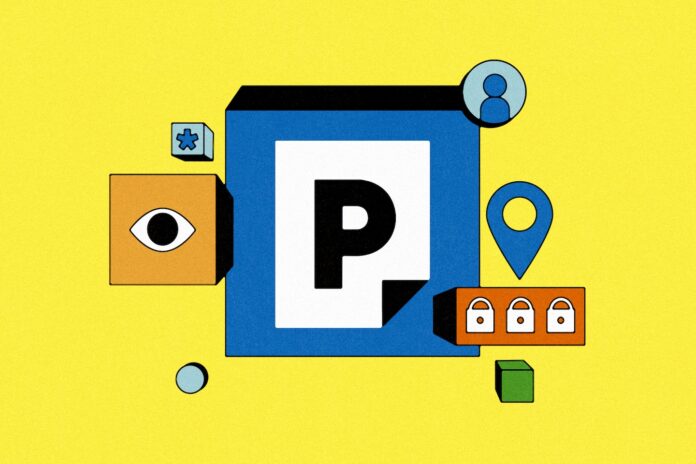
We stand witness to the proliferation of interconnected data points, creating an ever-expanding digital tapestry. Enter the data broker. These entities, operating in a regulatory grey zone often cloaked in technical jargon, are relentless cartographers, mapping human geography with unprecedented granularity. Their sources are astonishingly diverse and invasive: public records (births, marriages, deaths, property deeds), commercial databases (purchase history, subscription services, loyalty programs), app permissions (location, contacts, microphone access, behavioral sensors), social media activity, dating site profiles, even leaked private sector data.
Their engine? Algorithms refined through statistical analysis and machine learning. They don’t merely collect; they correlate. They infer political leanings from online purchases, gauge mental states from search history, reconstruct intimate details of life, love, and finances from fragmented digital breadcrumbs. The result is a composite profile, often sold in segments. For instance, one segment might detail purchasing power, another marital status, another psychographic tendencies, another physical location based on utility usage patterns. This granular, multi-faceted dataset paints a portrait of vulnerability stripped bare.
The Algorithmic Labyrinth and Women
While the systemic gathering of data affects everyone, the impacts ripple disproportionately, creating fault lines deep within society’s structures. Consider the intricate web of biases embedded not just in human prejudice, but increasingly within the very algorithms that govern the digital realm. These biases – subtle, systemic, or explicitly encoded – reflect and amplify existing power dynamics, particularly along the faultlines of gender. A profile flagged as ‘high-value target’ by a data broker’s algorithm might rely on metrics skewed towards wealth and lifestyle often stereotypically associated with certain female demographics. The potential for manipulation becomes a modern day specter.
This isn’t abstract. It’s tangible. Targeted advertisements aren’t the only tool in their arsenal. Micro-segmentation allows for highly specific outreach. Imagine hyper-targeted offers for luxury goods or exclusive memberships to women perceived as high-income by their purchasing history. Or the reverse: targeted alerts for premium matchmaking services to women based on app usage linked to specific locations or interests. The potential for coercive social engineering is chilling. Stalking, in its traditional face-to-face form, is evolving; financial abuse scenarios are becoming increasingly tech-mediated. The data broker infrastructure provides the raw materials – the detailed dossiers – that fuel these new forms of exploitation, potentially amplified by the persistent gender-based double standard and objectification prevalent in media and discourse.
Exploitation Reimagined: The Digital Silk Road and Targeted Threats
The market logic of data brokering has created a modern digital commerce landscape. Individuals and organizations purchase these composite profiles, fragmented pieces of identity, often with names carefully curated from the dataset itself. This facilitates tracking of movements through inferred geolocation, mapping of social networks via contact lists and associate data, detailed assessments of vulnerability. The value isn’t just informational; it’s transactional.
This isn’t a broad, faceless threat inherent to technology. It’s targeted. The specificity of the data allows for personalized approaches, bypassing traditional anonymity. Imagine tailored phishing attempts referencing private details, or coordinated doxxing campaigns exploiting the intricate layers of data available. The potential for this information to be weaponized isn’t theoretical; it’s the logical endpoint of treating personal detail as a commodity ripe for the picking. Women, already navigating a world where their worth is often measured against specific, often unrealistic, standards, are presented with a new, data-driven vulnerability.
Feminist Watchdogs: Challenging the Status Quo
Feminism has long been the sentinel against systems designed to oppress. The rise of data brokers introduces a novel vector in this oppression – a technology-neutral form of control operating just outside the bounds of traditional privacy law. It demands a feminist response deeply rooted in intersectional awareness and a re-reading of privacy concepts. Intersectionality is key; how does this exploitation manifest differently for women of color, LGBTQ+ individuals, women in the Global South?
Perhaps the central challenge is transforming privacy from a concept of keeping intruders out of one’s castle to a proactive defense against uniquely female-coded vulnerabilities. Addressing how these new systems intersect with reproductive rights, autonomy, consent, and bodily integrity is paramount. Foundational to this feminist analysis is the reclaiming of the notion of ‘the personal is political,’ extending its reach into the uncharted territories of the digital self – our online presence, our data residues, our composite profile.
Looming Systemic Change: Beyond Anonymization
Data masking and pseudonymization offer a flawed sanctuary. Clever correlators can often crack the code, especially when multiple layers of data are combined. The current patchwork of digital rights is insufficient; we need a system that respects not just anonymity but positive identification control – the ability for individuals to decide under what circumstances and by whom their specific identity can be used. This aligns with emerging concepts like Self-Sovereign Identity.
A feminist-aligned approach necessitates not just understanding this threat but articulating how it reshapes existing power structures. Is the vulnerability we perceive unique to this moment? Not entirely. But the potential for systematic amplification by data and AI technologies is new. This demands more than understanding the problem; it calls for redefining the boundaries of individual autonomy in the digital age and championing policies that prioritize human dignity over platform profits, ensuring a web that reflects freedom rather than control.
Conclusion: The Personal Is Political in the Age of Digital Dossiers
The unregulated flow of personal information orchestrated by data brokers presents a direct challenge to women’s safety and autonomy. These powerful market forces transcend simple privacy violations, creating new avenues for exploitation predicated on the commoditization of personal detail. This isn’t merely about corporations hoarding data; it’s about empowering unseen forces with intimate, actionable knowledge about vulnerable individuals. Feminism, as a force for social change, must now look beyond physical spaces to the algorithmic architecture. It must champion individual sovereignty over the digital self and articulate new frameworks for protection and empowerment, ensuring that the narrative of our lives – our data – shapes power for us, not against us.