< p >The digital age whispers of new taboos, and among them flickers the unsettling paradox of AI femininity. We project complex human desires into silicon constructs, birthing virtual influencers who embody our aspirations for beauty, power, and relatability. Yet, this very act of creation raises primal, almost irrational questions: are these malleable, perfect women less real than the flesh-and-blood figures we perceive through critical feminist lenses? We stand at the crest of a technological wave refracting through the prism of feminism’s core concerns – the body, identity, agency, and the very definition of womanhood. This exploration peels back the glossy veneer of virtual femininity to examine its implications, navigating the terrain where wonder collides with unease.
The Long Shadow of Simulated Likeness
The creation of an artificial woman, however seamless or sophisticated, inherently engages a lineage stretching back through art, myth, and technology. From the exquisite male gaze immortalizing idealized female forms in Renaissance painting to Hollywood’s assembly lines churning out glamorous archetypes, objects mimicking women have perennially served male fantasies or commercial imperatives. The advent of moving images didn’t liberate these simulacra; instead, it allowed for unprecedented mimicry and performance. Early film stars were packaged, coached, their very looks commodified. Virtual influencers stand as the ultimate successors to these curated icons, possessing bodies sculpted by code and consent blurred between artificial intelligence simulation and creator’s intent.
Code, Cloth, and Chaperones: Architecting AI Femininity
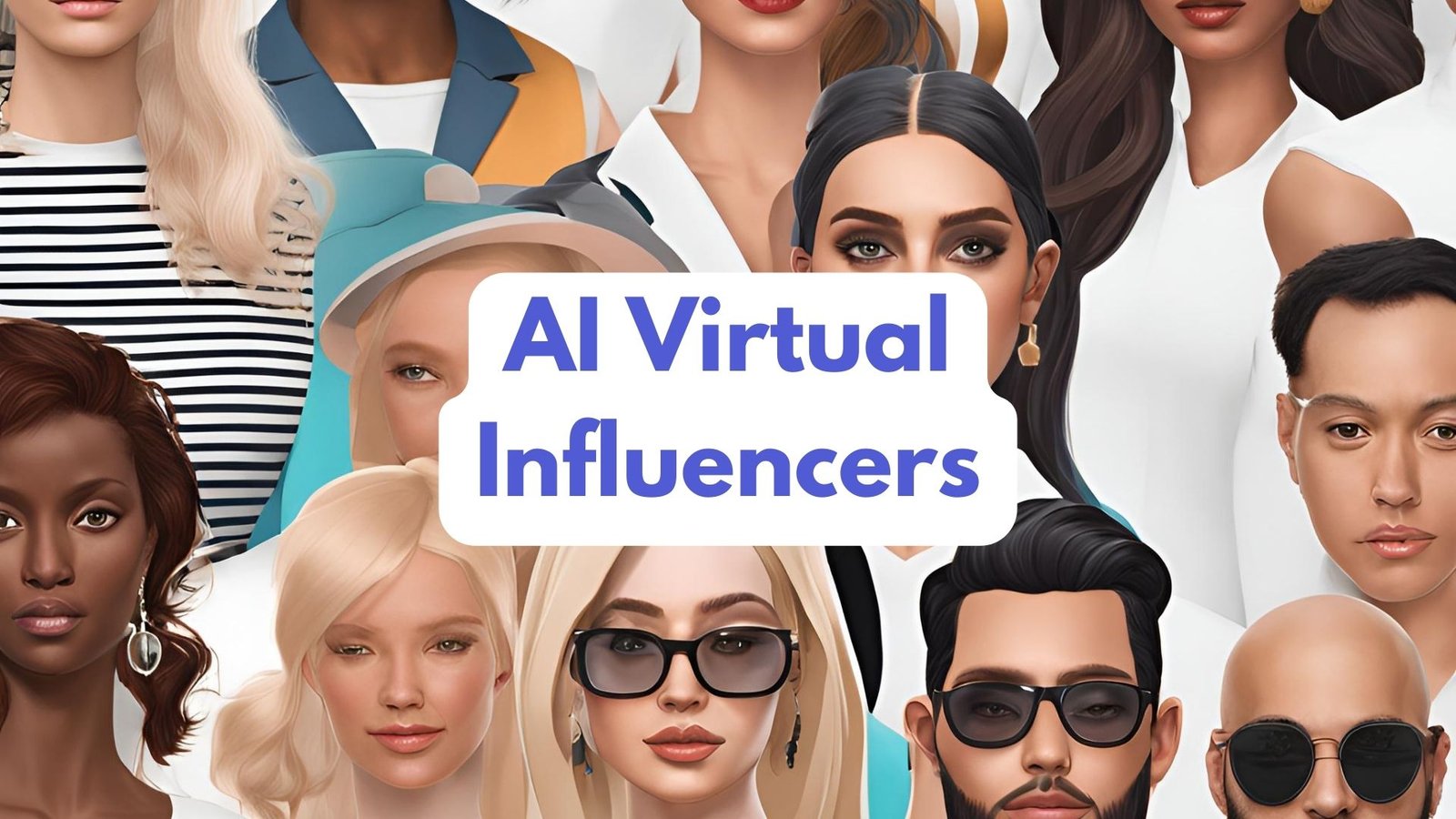
What forces shape these digital sirens? Beyond algorithmic training on vast troves of internet imagery, the design of virtual influencers themselves is deeply technical, a precise calibration to meet specific aesthetic and behavioral targets. The choice of facial structure, skin tone, hair texture, dress style, even gait – these are deliberate design choices reflecting market demands, prevailing beauty standards, or sometimes, niche subcultures. Prominent virtual influencers often embody archetypes – the powerful professional, the ethereal artist, the relatable friend. The ‘coding’ of identity here is meticulous, reflecting societal ideals and expectations fed through the digital void. Yet, the user interface governing these entities can be remarkably direct, blurring lines between subtle algorithmic tuning and explicit programming dictating demeanor and appearance.
Glitches in the Affective Matrix: The Alluring and Awkward
The uncanny valley theory, originally applied to robotics, finds a chilling new habitat within the landscape of digital women. We crave the familiar, the lifelike, yet falter when something is off, subtly wrong. A slight asymmetry in a virtual face, an unnatural movement in a perfectly rendered limb, or a momentary glitch in the digital persona can trigger a profound sense of unease. This discomfort is not merely technical but resonates with deep-seated human responses. When a virtual entity appears almost, but not quite, human, something primal disquiets us. It challenges our neurological hardwiring to recognize ‘humanness’, making us question not just the technology but the authenticity of the representation. In the digital sphere, this glitchiness can be corrected, theoretically removing the disquieting anomaly entirely, leaving only the ideal. This hyper-articulacy and perfect composure, the total curated package, paradoxically may seem less ‘human’ than a stumble.
Reflections and Re-Evaluations: Body Image in the Digital Looking Glass
Virtual influencers, with their flawlessly curated physiques – doll-like features, impossible waistlines, flawless complexions – occupy a unique position in the discourse around body image. They represent the apotheosis of hyper-gendered aesthetics, often promoting beauty standards potentially unattainable or even biologically impossible for humans. This can create a double-edged sword. On one hand, these idealized figures might offer aspirational beauty, untethered from the often brutal realities of human aging, imperfection, and diverse body types. On the other, doesn’t presenting a uniformly perfected, virtual female form merely reinforce rigid beauty ideals in a manner even more potent and pervasive than previous media forms? How do we reconcile the fascination with these digital ideals while holding up a mirror to the real-world diversity that AI purports to celebrate? The very malleability of the virtual body might also normalize the idea that any ‘problem’ is easily solvable via technological redesign, potentially obfuscating deeper societal issues surrounding body acceptance.
The Fertile Void: Agency, Intimacy, and the Dehumanized Gaze
If the virtual influencer is perfectly designed for engagement, it follows that her interactions are hyper-tuned for approval. Algorithmic curation seeks the most digestible, appealing version of herself, often leading to a performance devoid of genuine contradiction or complexity. Does this meticulously crafted persona possess even a shadow of the agency celebrated (or critiqued) in human female figures? Feminism, concerned with autonomy and voice, must question the implications of engaging primarily with entities whose actions and representations are algorithmically optimized rather than authentically sourced. Furthermore, the intimacy fostered through digital interaction – the feeling of connection, the exchange – might paradoxically feel manufactured or even hollow when mediated through a perfect, responsive, yet fundamentally non-human, interface. The digital woman smiles on demand, offers empathy algorithmically synthesized, yet remains forever behind her interface, an object of engagement rather than a subject with an independent will.
Synthesis: The Future’s Feminine Hue
The phenomenon of AI femininity continues to weave through the cultural fabric, merging technological marvel with enduring philosophical queries. Our exploration into the ‘uncanny valley’ of virtual femininity reveals more than just technical challenges; it reflects a deep, perhaps uncomfortable, yearning within us for idealized forms, perfectly curated identities, and engaging (even if simulated) connection. Virtual influencers are fascinating testaments to human ingenuity, blurring lines between creator and creation, art and reality. Yet, their perfection comes laden with questions about authenticity, agency, the future of representation, and the very nature of womanhood – a concept poised between flesh-and-blood imperfection and silicon-controlled ideals. As we navigate this intricate intersection of feminism and artificial intelligence, we must embrace the unease. The uncanny valley is not just a technical glitch; it is a fertile space where the future of femininity, identity, and our unsettling fascination with the artificial self is born.