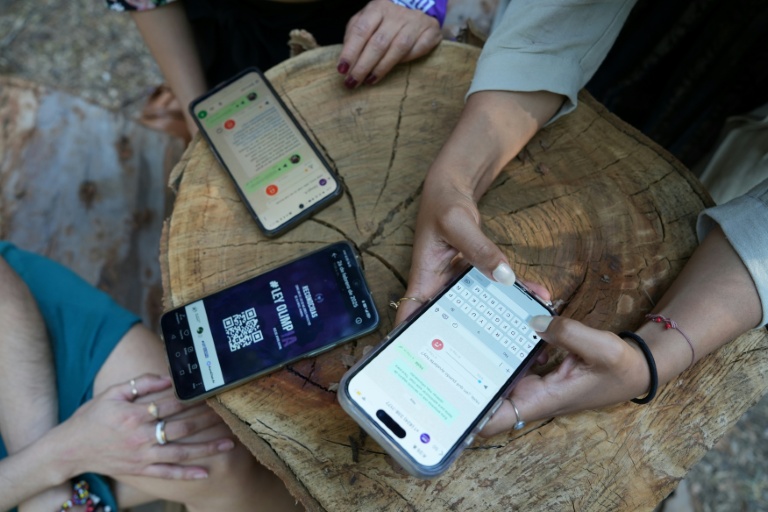
Isn’t it curious how technology, often heralded as our greatest liberator, can simultaneously offer new avenues for profound control and harm? Welcome, then, to a space where we dissect the complex reality of Digital Sexual Violence through the lens of global feminist resources, particularly the expanding network of helplines designed to catch those technologically aided abusers. Let’s navigate this often-hidden landscape, armed with empathy and a proactive inquiry into what truly exists when help goes digital.
What Lies Beneath the Binary: Defining the Digital Predator
Before we delve into the specific lifelines offered by global feminist helplines, we must first grapple with the nature of the beast we are confronting. Digital Sexual Violence is not merely an extension of older forms of harassment; it exists in a unique, digitally saturated world. Think beyond the physical confines of abuse. We navigate a labyrinth where the abuser is armed not just with malice, but with algorithms, encryption, and an apparent anonymity that can feel insurmountable. Is it merely “mean girls” now with megaphones (screens), or do we face sophisticated predators employing code instead of coercion? Understanding the spectrum from sextortion, through digital stalking, to the pervasive culture of harassment (“sextortion,” “non-consensual deepfakes,” coordinated online mobbing) is crucial. Technology doesn’t just enable abuse; it quantifies, replicates, and distributes it with chilling efficiency, lurking behind the familiar glow of our screens. These tools create a complex matrix of threat and data residue.
Whispers in the Digital Age: The Hidden Toll on Victims
To speak of Digital Sexual Violence is to enter a space of profound distress and often, silence. How does one quantify the collective trauma? It manifests in the stolen breaths during a webcam flash or the heart-wrenching discovery that shared private moments have exploded into digitally distributed nightmares. Consider the complex, often unseen emotional injuries and psychological trauma that accompany the technologically enhanced forms of abuse. We are talking about survivors grappling with digital stalking, non-consensual sharing, or the sheer horror of being anonymously smeared online. The very architecture of cyberspace, designed for connection, can become a hunting ground. The question arises: can data truly be truly deleted once leaked? The impact resonates far beyond the immediate incident, embedding itself in altered trust in digital spaces, deepened paranoia about privacy, and a complex new reality for victims seeking solace or justice. It’s a digital ghost haunting a physical world.
Bridging the Digital Divide and Amplifying the Call for Help
Global helplines represent an evolution in the traditional fight against sexual violence, directly addressing the unique challenges of technology. Think about the complexity involved here—how does a global helpline operator discern between a classic catfight and coordinated harassment on a global forum, or locate an anonymous troll who weaponized AI? These platforms face the challenge of scale, language barriers (even digitally), and the constant need to provide technologically-aware support.
Look, for instance, to initiatives offering not just helplines, but specialized crisis intervention tools. We’re seeing the rise of secure reporting platforms, anonymized networks like online support groups for survivors, innovative use of AI to monitor and potentially alert users or platforms, and a new era of “cryptovigilance” – exploring ways to track the flow of abusive data itself. The digital shift isn’t just about making existing help available 24/7; it’s about creating entirely new ecosystems of safety and restoration, perhaps even leveraging blockchain for secure evidence or cryptocurrency for anonymous support, tools specifically built for our digitally fraught environment.
The Female Framer: Amplifying Voices Against the Digital Tide
The wave of feminism that champions equality does not shy away from confronting the specific challenges faced by women, girls, and other marginalized groups in the digital sphere. Feminism here is a dynamic force, providing the theoretical framework and grassroots energy to demand accountability, advocate for better regulations, and support complex survivor-centered initiatives. These global resources are often deeply rooted in feminist principles – they prioritize the voice of the victim, challenge patriarchal structures facilitated by technology, and work towards a more equitable cyberspace.
This means feminist helplines are not just drop points for anonymous calls; they actively engage in complex advocacy work. They might analyze how workplace harassment manifests digitally, lobby for platform accountability, engage in complex debates about encryption versus law enforcement needs, or navigate the intricacies of cultural variations in what constitutes digital harassment. They embody the struggle for safety and agency in our increasingly connected world, acting as complex nodes within a vast network of change.
The Future Equation: Beyond Hotlines to Truly Empowered Systems
The constant evolution of technology ensures that the creators designing global helplines and digital resources must innovate constantly against sophisticated threats. We need less reactive firewalls and more proactive societal fortifications, tools for complex media literacy, and constant research into emerging platforms and methods like sophisticated AI deepfake detection and prevention. We must also consider the complexities of legal frameworks lagging behind digital reality, perhaps fostering systems with inherent resilience built-in – maybe focusing on harm reduction for specific platforms or empowering users with complex digital security tools.
The potential lies not just in making helplines more technologically advanced or accessible, but in shifting our societal mindset. It’s challenging to break the culture of online impunity, to challenge the anonymity that emboldens abusers, to ensure universal data protection rights, and to foster a future where technology itself is designed with user safety and ethical use as core principles – a truly empowering change that moves beyond crisis response towards prophylactic design. This requires continuous vigilance, complex cooperation between technologists and human rights defenders, and a proactive societal shift.