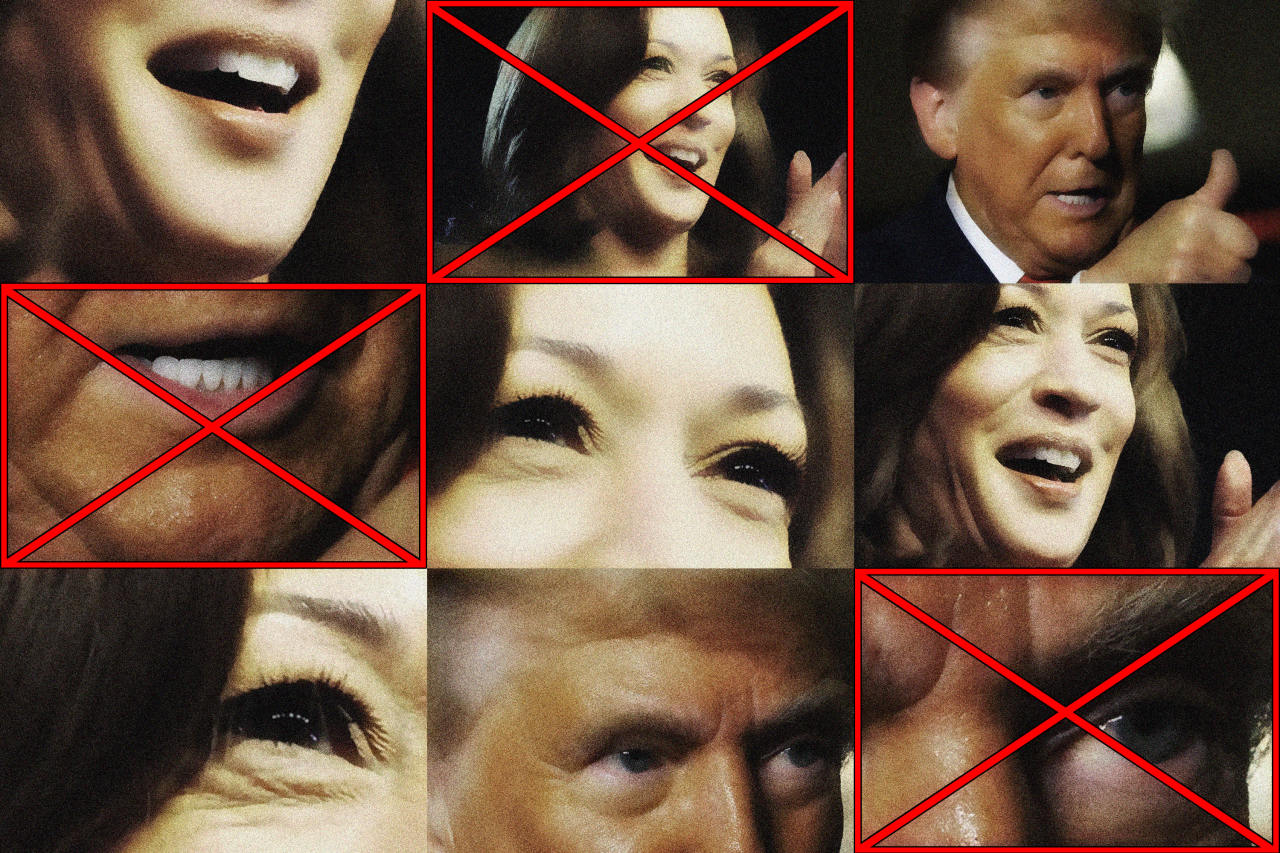
The digital realm, that vast and shimmering expanse we navigate daily, holds within its silicon veins the seeds of both profound connection and sophisticated menace. It is where democracy, in all its messy, beautiful form, is increasingly contested. And here is the unnerving spectacle playing out: the subtle, insidious creep of deepfakes into the crucible of elections. While often discussed through the lens of general misinformation, the weaponization of deepfake AI-generated media harbors a chilling, targeted threat. It’s not random fabrications that trouble the core, but an unnerving shadow that seems to single out female politicians, whispering discrediting whispers crafted from lies repurposed from years of silent animosity.
The Digital Brush: Creating Potency from Shadows
At its most fundamental, the deepfake represents a technological marvel of disinformation, powered by intricate algorithms capable of mimicking human speech and appearance with uncanny precision. It is often depicted as a visual mimicry – a woman’s figure speaking words never uttered, or a man’s voice outlining scandalous falsehoods. But its reach extends to audio; the disembodied yet perfectly crafted voice of a female candidate confessing an impeachable offense simply doesn’t exist anymore. These tools are frighteningly easy, relatively speaking, to deploy for those with nefarious intent. Yet, their unique power lies not merely in their novelty, but in their ability to exploit deep-seated anxieties of authenticity and credibility amplified by the 24/7 news cycle. It’s like a whisper forged in a digital darkroom, delivered with the chilling clarity of truth.
Shifting Sands and Gendered Groundswells
The election cycle is inherently turbulent, a landscape dotted with high stakes, passionate partisanship, and the constant search for any conceivable angle, legitimate or not. But the targeting by deepfakes within this arena isn’t always gender-neutral. There is a discernible, unsettling pattern—a preference for female political figures. While powerful men face ample scrutiny, the deployment of deepfakes against women often carries a distinct edge. This isn’t just about spreading lies; it’s about reinforcing archaic stereotypes – the suggestion of manipulativeness, a propensity for scandals, or worse, accusations of deceit emanating from a female voice. Imagine, for a moment, a figurehead steering a ship through treacherous waters, suddenly replaced by a synthetic echo, repeating damaging tropes with chilling realism, offered up as irrefutable evidence of unsuitability. It’s a targeted erosion, a digital disarming designed specifically to undermine the perceived legitimacy and authority of women vying for power. There’s something particularly unsettling about a weapon that manipulates perception directly.
The Unseen Obstruction: Undermining Legitimacy
When a fabricated speech embezzling public funds is “discovered” online, presented with the deceptive realism of a deepfake, the focus shifts instantly from policy debates or fiscal competence to personal authenticity. It’s an insidious derailment. The candidate is suddenly forced onto a track paved with questions about *how* easily her words or image could be fabricated, rather than focusing on the substance of her platform or her track record. This is the subtle poisoning of the well. It introduces an unprecedented element of digital uncertainty, where victory is framed not by policy or mandate, but by narrative control and technological advantage. The battleground isn’t just the stump or the legislature; it’s the algorithm. Candidates are judged not just on their merits, but against the terrifying specter of AI manipulation.
Fractured Realities: Psychological Warfare on Steroids
The disorientation fostered by deepfakes is a potent tool in the arsenal against female politicians. When authenticity is weaponized with advanced AI, it creates a profound erosion of public trust. A study or poll result honestly reflecting a mandate becomes irrelevant in the face of the “truth” offered by a seemingly credible deepfake video. It fosters a climate where citizens are bombarded with competing truths, one of which is indistinguishable from the other. This cognitive haze paralyzes democratic discourse. Who can be certain of the *real* facts anymore? The focus becomes fixated on the technological sleight of hand rather than the substantive issues at stake. The deepfake acts as a psychological anchor point for disinformation campaigns, amplifying confusion and sowing seeds of doubt with terrifying efficiency. One false word can shatter a career, even if the evidence is synthetic.
Countering the Simulation: A Race Against Synthetic Error
In this brave new world of information warfare, the traditional tools of fact-checking and source verification seem blunt instruments against the hyper-realistic counterfeit. Platforms face the impossible task of identifying sophisticated deepfakes before they gain traction. Watermarking is a solution in search of urgency. The very speed and viral nature of digital spread ensure that a damaging piece can dominate conversations long before legitimate evidence surfaces. The challenge is not just detection; it’s rapid, transparent verification in a landscape where the boundaries between reality and simulation are blurring at an accelerated pace. It’s a continuous game of Whack-a-Mole, where the AI creating the fake moves faster than the countermeasures can adapt.
The Future Echo: Implications Far Beyond the Ballot Box
The concerns surrounding deepfakes targeting female politicians during election cycles extend far beyond the specific event itself. They hint at a wider societal erosion of trust in political leadership and media narratives. The seeds of doubt sown during an election can germinate long after the polls close, solidifying cynicism and eroding the foundation of representative democracy. Furthermore, the tools used for political deepfakes concerning women carry the potential for abuse in other domains: corporate settings, personal lives, and even national security. As these technologies advance, their risks multiply like a digital Pandora’s Box, demanding not just technical solutions but profound ethical and societal reckonings. The shadow of the deepfake extends long after the election, potentially shaping perceptions and fueling conspiracies that demand the very openness of free inquiry.