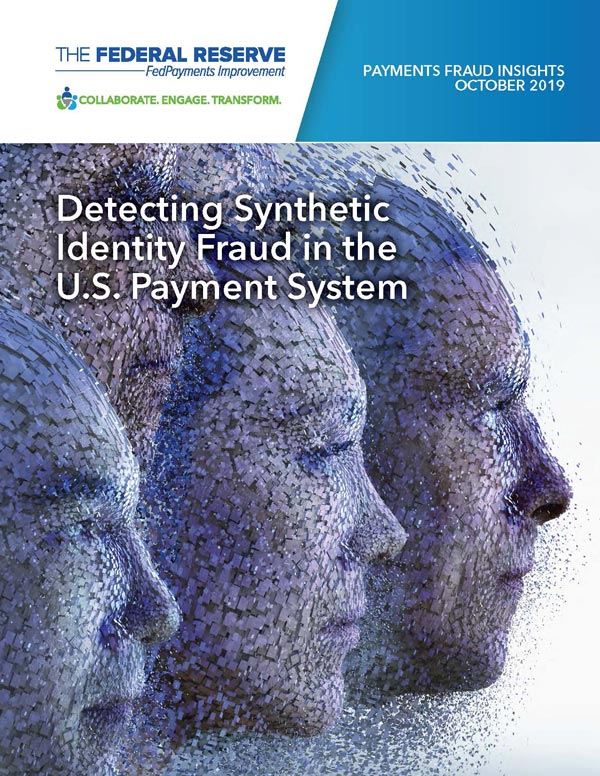
At the heart of twenty-first-century discourse pulses a persistent paradox. While we extol individualism and champion progress, there exists a sophisticated, ever-evolving engine of impersonation, one fueled by motives far removed from heroism. Synthetic identity fraud represents not merely a technical glitch, but a societal crack exploited with chilling efficiency, capable of shattering lives with the cold indifference of an algorithm. When we begin to unpack its impact, particularly through an intersectional feminist lens, a stark truth emerges: this epidemic is far more than an abstract concern about data. It’s a tangible assault, disproportionately embedded within the fabric of old biases – biases stubbornly re-engineered through modern methods to deny autonomy and economic foundation under the guise of impersonality. The narrative of synthetic identity fraud is inextricably woven with threads of gender, revealing layers of vulnerability meticulously crafted over generations.
Targeting the ‘Special Vulnerabilities’: From Old Biases to New Formulations
The old adage warned women of their “special vulnerabilities.” Time, it seems, has merely repackaged those warnings under the sterile banner of statistical data analysis. Feminism, born of recognizing systemic disadvantages, finds a stark mirror in the architecture of synthetic identity fraud. Fraudsters don’t pick victims randomly; they target based on patterns woven into societal infrastructure. Women, historically, often navigate a landscape with fewer financial safety nets – fewer savings, longer career interruptions for caregiving – making them seemingly ‘predictable’ targets for eroding their precarious stability via fraudulent means.
This is not the random stroke of luck; it’s a calculated appropriation, often masquerading as an impersonal scoring system. The stereotype of women being financially dependent is weaponized. Imagine a fraudster scouring data, not just for name and address, but for subtle correlations: joint credit history patterns in couples, demographic data highlighting single female homeowners, specific professions known for lower pay impacting retirement savings projections. The fraud is designed to bypass empathy, yet its effects are deeply personal. It weaponizes the reality, or the perception of the reality, of women’s economic positioning from a patriarchal and classist standpoint.
Furthermore, the very notion that modern fraud is “devoid of emotional involvement” is a dangerous and self-serving illusion. It presumes an objective machine that fails to recognize the subjective reality women face daily. The systematic disadvantage they encounter, whether in employment ceilings, pay disparities, or access to robust financial services, intersects directly with the impersonal narrative of synthetic fraud. It’s not an impartial system; it’s one that, through its design flaws, leaves certain groups exposed, precisely because they are perceived as such by the flawed data models themselves.
Vulnerabilities Exacerbated: The Double Bind of Credit Histories and Data Silos
The landscape of risk management, often touted as cutting-edge and objective, harbors blind spots that synthetic identity fraud exploits systematically. This is a point not lost on intersectional feminist analyses, which constantly illuminate the flawed structures underlying societal support systems. Data silos, often lauded for protecting privacy, become playgrounds for fraudsters seeking loopholes to piece together a convincing narrative without a holistic view.
Financial inclusion initiatives, desperately needed, can paradoxically create entry points for fraud if not coupled with stringent identity verification mechanisms. An underbanked woman stepping into a digital lending program might be the very target whose identity fragments become part of an aggregate, inadvertently feeding algorithms used by fraudsters, not as individual data points, but as patterns indicating demographic vulnerability. The goal of financial inclusion – empowering women through resources – is thwarted not just by overt theft, but by systems that leave these newly active participants potentially exposed to novel forms of impersonation.
Meanwhile, the complexity of modern credit scoring reflects and reinforces old biases. Synthetic identities are often constructed to appear financially stable, borrowing across multiple identities or using historical data that benefits from male advantage. What does it truly mean when a loan is supposedly “approved” based on an artificial construction that doesn’t reflect women’s actual financial control and risks? It’s a system that misrepresents reality, embedding bias in its very functionality. The focus on identity proof over demonstrating genuine risk or capability becomes a tool, however unintentional, for perpetuating financial exclusion under a veneer of sophistication.
Financial Consequences Unveiled: Beyond Debit Card Fraud
The direct impact of synthetic identity fraud is undeniably financial, a stark drain on personal resources, but the insidious ripple effects weave a much larger narrative connecting to women’s security. These are not merely isolated financial setbacks; they are strategic attempts to dismantle or fundamentally undermine the economic independence hard-won through decades of feminist struggle for equal pay and opportunity.
Imagine the scenario: an elderly woman, inheriting an unexpected sum intended for retirement, only to find her identity misused years later, perhaps to inflate an existing debt under a constructed younger identity or to open an account she never consented to. The investigation process is complex, time-consuming, and emotionally draining. The very ability to stake a claim on assets, built upon a paper trail, becomes compromised when the trail is forged anew by the fraudster. This isn’t just losing money; it’s losing control over one’s estate planning, one’s healthcare directives, and long-term security.
For younger women, the consequence is often the denial or disruption of financial futures. Impersonation can lead to crippling unsecured debt as the genuine individual is left to deal with accounts opened under a false persona. Student loan fraud, while a specific vector, is not an isolated incident. Synthetic identities can sponge off education, leaving the real graduate debt-ridden and isolated. The erosion of trust in financial institutions, born from navigating fraudulent accounts and disputing ownership, chipped away bit by bit, represents another front in the battle for financial stability. Security is no longer passive; it is actively contested on the fronts of lending, borrowing, saving, and estate management.
The Solution Requires More Than Just Technology
Tackling synthetic identity fraud, amplified by its intersectional dimensions, cannot rely solely on technological fixes or knee-jerk legislative reactions. The problem is deeply etched into how societal value, filtered through biased and incomplete data, is monetized. A purely technical solution might simply shift the problem, embedding new vulnerabilities into the digitized fabric, often excluding those already marginalized by existing financial infrastructure.
True security requires a holistic paradigm shift. Financial institutions and regulators must embed nuanced vulnerability analysis into their systems, moving beyond simplistic statistical profiling to understand the lived reality – the intersectional context – inherent in identity. This necessitates collaboration, not just between industry and regulators, but with communities directly impacted, particularly women’s rights advocates and organizations fighting financial exclusion. Their insights are crucial to building defenses that address the actual lived experiences that data often flattens.
Furthermore, a feminist approach demands asking deeper questions: Are our current frameworks for ‘risk management’ inherently gender-biased? Do they perpetuate cycles where women’s value is assessed only through their relationship to men or existing assets? Addressing synthetic identity fraud effectively means confronting these uncomfortable truths. It requires financial literacy programs that extend beyond consumer tips to empower understanding of identity security, and support systems that rapidly assist victims, often women and women-headed households, navigating bureaucratic hurdles. Ultimately, a secure financial future must be predicated on a system that recognizes the dignity and complexity of human identity, not one that relies on perpetuating stereotypes, whether old or new, to manage risk.