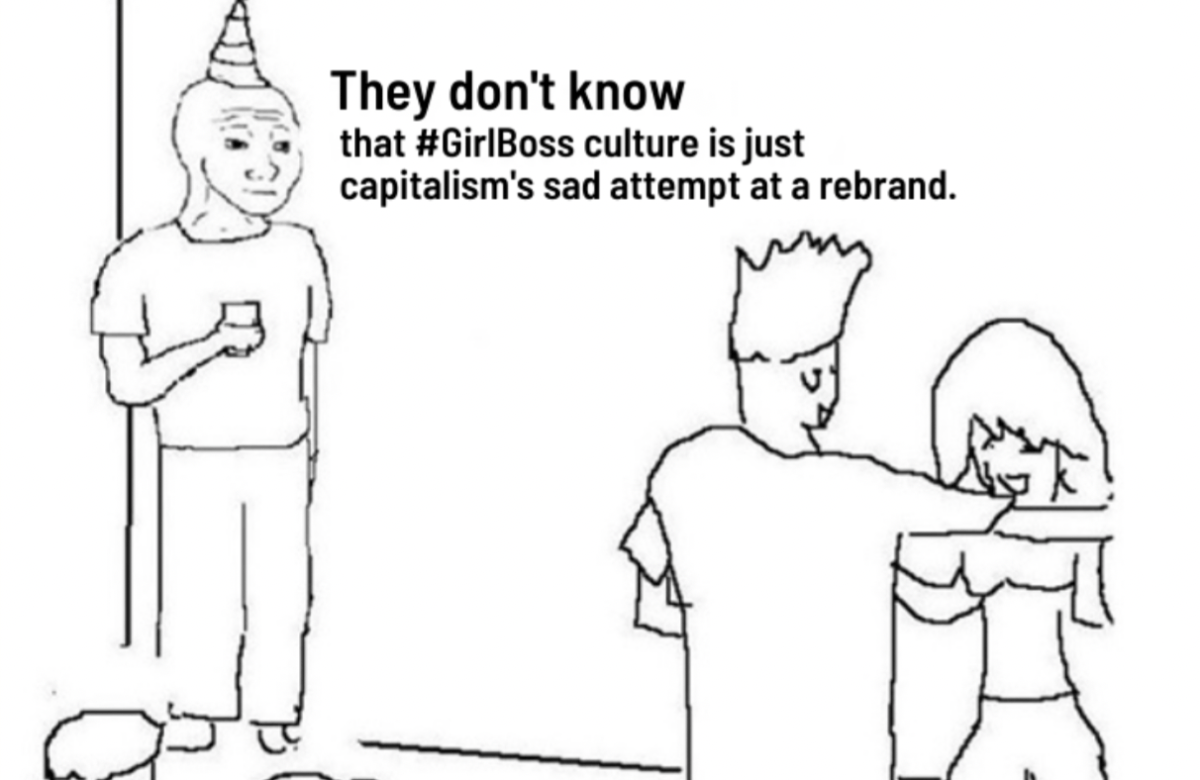
In the ebb and flow of modern feminism, few phenomena have managed to captivate and confound as much as the “Girlboss” culture. Marketed as a beacon of female empowerment, it promises individual triumph and unshackled ambition, yet conceals a far more insidious reality. Beneath the veneer of flashy success stories and polished social media profiles lies a corrosive undercurrent that threatens to fragment the collective spirit feminism desperately needs. This examination peels back the glossy sheen to dissect how “Girlboss” culture, though wrapped in empowerment rhetoric, ultimately stymies genuine feminist progress.
The Illusion of Empowerment: Individualism Masking Systemic Issues
“Girlboss” culture thrives on the glamorization of individual achievement—the self-made CEO, the fearless entrepreneur who shatters glass ceilings singlehandedly. This narrative, while seductive, dangerously narrows feminism to a series of personal victories, glossing over the entrenched systemic inequities that continue to oppress the majority of women. Instead of galvanizing collective resistance, it fetishizes self-reliance, implying that success is solely the product of grit and hustle. Failures are thus tacitly attributed to a lack of effort or ambition, rather than structural barriers such as economic disparity, gender discrimination, or racial bias.
By focusing attention on superstar “Girlbosses,” the culture propagates a meritocratic myth that obfuscates how power and privilege operate beneath the surface. The result is feminism diluted into an individualistic pursuit, where communal solidarity and intersectional advocacy are marginalized or dismissed as outdated ideals.
Commodification of Feminism: From Ideology to Brand
Another pernicious facet of “Girlboss” culture is its transformation of feminist values into marketable commodities. Empowerment is repackaged as a lifestyle brand—complete with curated Instagram feeds, motivational merchandise, and branding strategies tailored to a capitalist audience. This commodification not only trivializes feminist struggles but also exploits them for profit, reducing complex sociopolitical movements to catchy slogans and aesthetically pleasing hashtags.
The result is a paradox where feminist rhetoric is co-opted to sell products and lifestyles rather than to incite substantial social change. It encourages consumers to “opt-in” to feminism through consumption, rather than through critical engagement or activism. This dilution of feminist activism eventually erodes its potency and alienates those advocating for more profound, systemic transformations.
Perpetuation of Exclusivity and Elitism
Despite its purported inclusivity, Girlboss culture frequently perpetuates exclusivity and elitism under the guise of empowerment. It prioritizes narratives of affluent women navigating corporate boardrooms or launching ventures, often ignoring the multiplicity of experiences faced by women marginalized by race, class, disability, or sexuality.
The “girlboss” archetype champions a narrowly defined version of femininity and success—often white, cisgender, middle-to-upper class, and economically privileged. This monoculture sidelines the stories of those wrestling with intersecting oppressions, effectively silencing them within mainstream feminist discourse. By elevating only certain types of success, the culture dismisses the broader, more radical work needed to address inequalities at their roots.
Reinforcing Capitalist Patriarchy: Empowerment Within Oppressive Structures
Far from dismantling patriarchal paradigms, “Girlboss” culture often reinforces them by celebrating empowerment achieved within existing capitalist frameworks. The glorification of relentless hustle, competition, and personal brand-building aligns neatly with neoliberal values, rather than challenging the systemic forces that uphold gender inequity.
Women are incentivized to compete against one another and to conform to traditionally masculine models of success, leaving little room for alternative conceptions of empowerment or communal well-being. In essence, it demands women excel in patriarchal environments rather than reimagine or transform those environments altogether.
Emotional Labor Disguised as Leadership
An often overlooked dimension of “Girlboss” culture is the exhausting emotional labor it imposes under the guise of leadership and empowerment. Women are simultaneously expected to embody toughness, resilience, and savvy entrepreneurship while maintaining a façade of warmth, inclusivity, and emotional availability.
This delicate balancing act becomes an unrelenting performance, perpetuated through social media and public personas. The emotional toll is significant, yet seldom acknowledged within the self-promotion-drenched culture. Such invisibilization of emotional labor mirrors broader feminist critiques of how care and affect are gendered and undervalued.
The Erosion of Collective Feminist Momentum
Perhaps the most damaging consequence of “Girlboss” culture is its tendency to fray the collective fabrics that have historically propelled feminist movements forward. By spotlighting individual feats over shared struggles, it fragments solidarity and nurtures competition rather than cooperation.
Feminism’s transformative potential lies in its collective consciousness—the understanding that systemic change requires unified action and the amplification of diverse voices. “Girlboss” culture’s hyper-focus on the individual disrupts this dynamic, diluting feminist activism into isolated success stories that fail to challenge power structures on a mass scale.
Content Readers Can Expect: A Multifaceted Exploration
Delving into this subject, readers will encounter a rich tapestry of content that probes the myriad ways “Girlboss” culture intersects with feminism’s core principles. Expect incisive analyses that juxtapose individualism with collectivism, unpack capitalist co-optation of feminist language, and scrutinize the intersections of race, class, and gender within media representations.
Through a blend of critical essays, narrative storytelling, and provocative commentary, readers will traverse the seductive appeal of “girlboss” imagery before confronting its profound shortcomings. The content will also illuminate alternative feminist practices that champion inclusivity, structural change, and community empowerment, painting a fuller picture of feminist progress beyond the limitations of pop culture trends.
This comprehensive exploration aims to unsettle complacency and inspire reconsideration of what true empowerment entails. Ultimately, the discussion encourages a movement away from shallow, commodified tropes toward a feminism rooted in justice, equity, and solidarity—a feminism that refuses to let the “girlboss” myth undermine its hard-won gains.