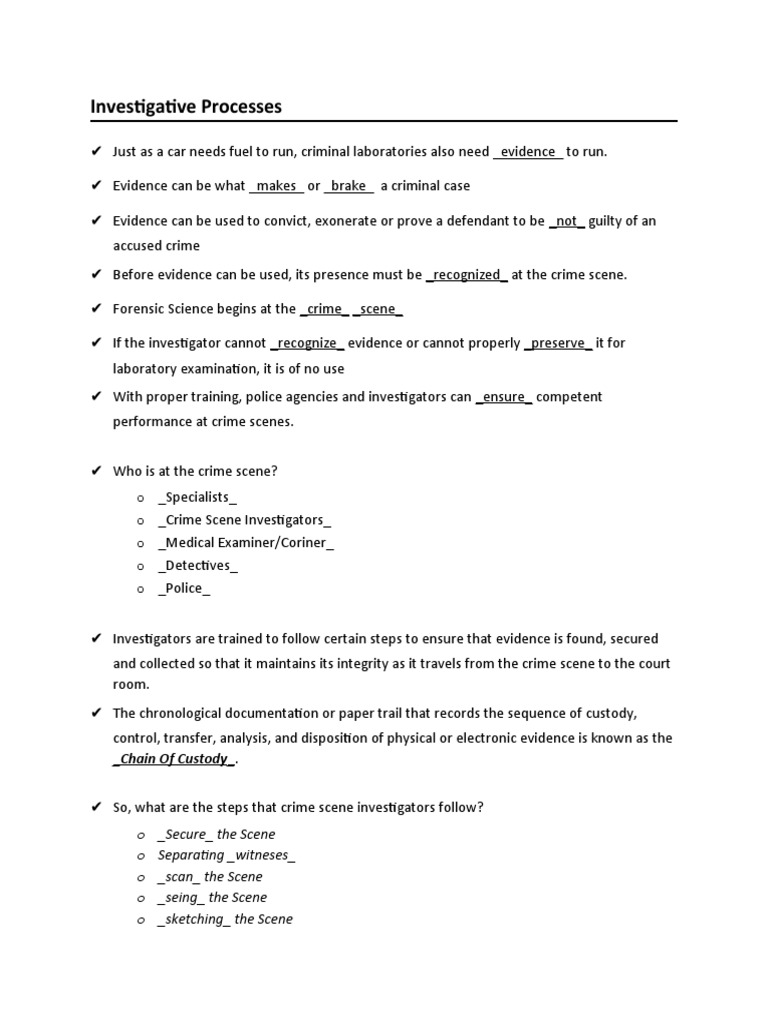
What if the very mechanisms designed to protect us from harassment are inadvertently perpetuating silence and complicity? Could true justice in feminist activism and workplace equity be stifled by the investigative processes meant to uphold zero tolerance policies? In the charged arena of feminism and anti-harassment, the integrity of investigative procedures often flirts with bureaucratic inertia, undermining the urgency and seriousness that these issues command. This discourse probes the complexities of constructing investigative frameworks that are not merely procedural but transformative—bold enough to disrupt the status quo and unequivocal in dismantling harassment.
The Illusory Fortress of Zero Tolerance
Zero tolerance sounds unequivocal, yet it frequently morphs into an illusory fortress. The phrase evokes images of seamless protection and absolute safety, but the reality is far more labyrinthine. Zero tolerance policies are often applied like blunt instruments—broadly announced but narrowly executed. This disconnect provokes a vexing question: does zero tolerance truly shield the vulnerable, or does it sometimes betray them with tokenistic gestures? When harassment allegations surface, the ensuing investigations bear the burden of translating policy into palpable justice. Yet, the fortress crumbles when investigative rigor is sacrificed for hurried resolutions or when organizational politics dilute accountability.
Challenging the Orthodoxy of Investigative Frameworks
Traditional investigative processes, steeped in procedural orthodoxy, can unintentionally amplify mistrust. These frameworks are typically designed for legal defensibility rather than survivor-centric justice. The challenge lies in harmonizing evidentiary exactitude with empathetic engagement. How do we reimagine investigations that don’t intimidate but rather empower? To transcend this, processes must shed their usual rigidity and foster a dialectic of transparency and respect, ensuring that every narrative is not only heard but meaningfully acknowledged. The convergence of feminist principles and investigative procedure demands this radical recalibration—an overhaul away from adversarial rituals towards restorative justice paradigms.

Unmasking Institutional Complicity and Power Dynamics
Harassment rarely exists in isolation; it is a symptom of entrenched power asymmetries within institutions. This complicates investigations, as organizational interests frequently sabotage impartiality. The investigation steps into a minefield where allegiances, reputations, and hierarchies collide. The true test of zero tolerance lies in the willingness of institutions to confront their own complicity rather than censor painful truths. Genuine accountability emerges when investigative entities operate with fearless autonomy, shielded from internal interference. Without this, investigations risk becoming performative displays—a veneer of justice over an undercurrent of selective silence.
Cultivating Survivor-Centric Investigative Cultures
To construct authentic zero tolerance programs, investigations must pivot squarely toward the survivors. This means dismantling the barriers of skepticism and victim-blaming that traditionally pervade these forums. Survivor-centric approaches demand sensitivity, confidentiality, and unequivocal support structures. What if every step of the investigative journey was co-designed with those affected? The empowerment born from such inclusivity revolutionizes not only outcomes but the very fabric of institutional ethos. Investigators must be trained beyond technical acumen to embody advocacy, cultural competence, and courage—a triumvirate that redefines their role from gatekeepers to champions of justice.
Uncommon Strategies for Enhancing Investigative Efficacy
Innovation is imperative. Leaning on archaic modalities handicaps progress. Consider integrating trauma-informed methodologies that transcend rote interviewing techniques. These frameworks prioritize psychological safety and acknowledge the nuanced spectrum of abuse. Technology, too, can be harnessed thoughtfully—secure digital reporting platforms, anonymous tip lines, and real-time case tracking bolster transparency and engagement. Yet, caution is warranted; technological advances must be deployed with vigilance against exacerbating distrust or breaches of confidentiality. Strengthening investigative processes involves a delicate alchemy of human intuition and technological prowess, always undergirded by strict ethical governance.
Embedding Feminist Ethics into Institutional DNA
Feminism’s radical potential lies in its capacity to interrogate, disrupt, and reconstruct power paradigms. Embedding feminist ethics into investigative processes requires institutions to internalize values of equity, humility, and intersectionality—not as aspirational slogans but as lived practice. This transformative embedding manifests in policy language, training curricula, leadership accountability, and resource allocation. What if feminist principles steered every procedural nuance, from initial complaint intake to final adjudication? The ripple effect would be seismic: healing-centered, just, and inherently resistant to harassment’s reiteration. Such integration reframes investigations from punitive checkboxes to vibrant arenas of transformative justice.
The Role of Accountability and Continuous Improvement
Accountability is the bloodline of zero tolerance. However, it must extend beyond individual culpability to systemic introspection. Investigative processes should incorporate robust feedback loops, regular audits, and adaptive learning mechanisms. This perpetual refinement shields against complacency and institutional fatigue, ensuring that each case contributes to a broader culture of vigilance and respect. Zero tolerance without accountability is a hollow promise; it’s only through rigorous and transparent evaluation that these processes gain legitimacy and efficacy. Institutions that embrace this dynamic approach signal a vehement commitment to eradicating harassment, not just containing it.
Conclusion: Toward a Paradigm of Radical Transparency and Justice
The journey to constructing true investigative processes under the banner of feminism and zero tolerance is not linear nor facile. It demands relentless critique of existing frameworks, courageous confrontation of institutional shadows, and unwavering allegiance to survivors. The playful question posed earlier invites us to reconsider not just what zero tolerance policies claim, but what they enact in the crucible of investigation. The challenge persists: can investigative processes be more than bureaucratic choreographies? Can they become catalysts of genuine liberation and safety? The answer, potent and provoking, lies tangled in our collective willingness to embrace complexity, confront discomfort, and foster justice that is as bold as it is unyielding.