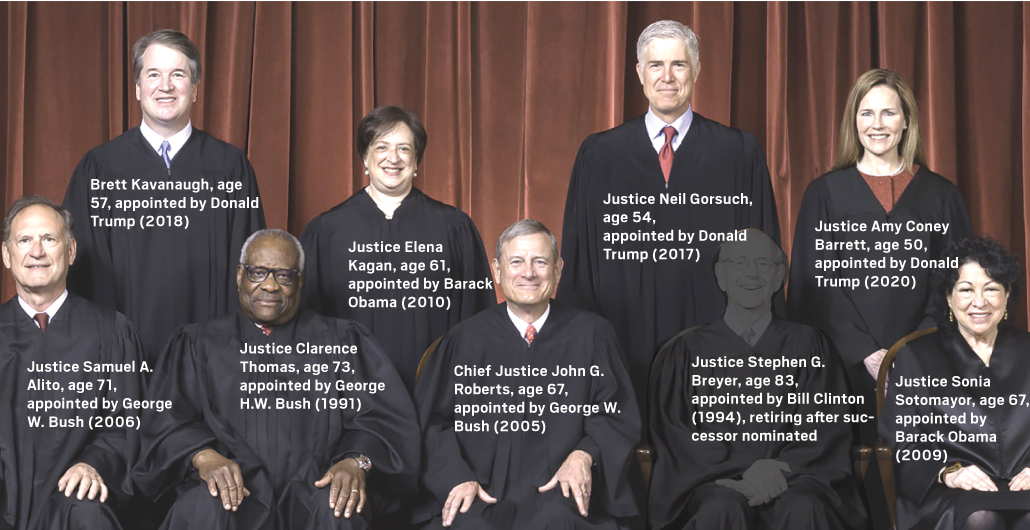
Behind the imposing marble and oak doors of the highest tribunals, a silent revolution brews—a revolution where women, long sidelined by patriarchal architecture, are not just participants but trailblazers. The final glass ceiling, often whispered about in hallways of power and feminist discourse alike, isn’t just about presence; it’s about authority, narrative reshaping, and jurisprudential influence. Women on the Supreme Court and top judicial benches represent more than milestones—they signify an epochal shift in legal consciousness and societal values. What promises lie in this transformation? How does their ascension recalibrate justice itself? Dive in as the judiciary’s hitherto uncharted waters reveal their complex currents.
Historical Shadows: Women’s Absence from Judicial Pinnacles
The judiciary’s pinnacle—Supreme Courts, constitutional benches, and appellate courts—have historically mirrored broader societal exclusions. For centuries, women were systematically expunged from legal education, barred from practicing law, and effectively erased from judicial consideration. Such exclusion wasn’t merely incidental but codified and culturally sanctified, rendering the bench a fortress of male privilege and traditional values. These judicial bastions reinforced gendered hierarchies, where “justice” bore the unmistakable stamp of masculine paradigms. The absence of women was not a void; it was a defining feature shaping law and precedent.
The First Breaches: Trailblazing Women Who Eroded Judicial Barriers
The epoch when women first began jostling for judicial positions was marked by both resistance and resilience. Breaking the initial wall of skepticism required exceptional tenacity and prowess. The arrival of the first female justices was not a mere token—each decision carved pathways for others, slowly dismantling the myth that women lacked the aptitude or temperament for jurisprudence’s rigors. These early pioneers subtly challenged entrenched biases, their rulings often emphasizing empathy, equity, and social contextuality. Incremental yet inexorable, their presence began shifting judicial culture from a monolith into a mosaic.
The Modern Surge: Women in the Supreme Court as Catalysts for Change
Fast forward to recent decades, and the presence of women on supreme courts around the world has moved beyond symbolic headcounts. These justices embody a confluence of legal acumen and lived experience that injects fresh perspectives into constitutional interpretation and statutory analysis. Their judgments frequently probe beneath the veneer of formalism to address systemic inequities and human rights nuances. The deliberate incorporation of gender-conscious reasoning reshapes not only the outcomes but the jurisprudential doctrines themselves. With each landmark ruling, women jurists amplify narratives previously silenced, ushering a more pluralistic vision of justice.
Intersectionality on the Bench: Diversifying the Judiciary’s Female Voice
Yet, the conversation extends beyond mere gender representation to the diversity within female judicial ranks. Intersectionality—considering race, class, ethnicity, sexual orientation, and beyond—imbues the discourse with greater depth. Female justices from marginalized identities confront layered barriers, and their ascendancy disrupts monolithic understandings of womanhood in law. The judiciary begins to encompass multivalent frameworks, acknowledging that justice is not universal but a kaleidoscope refracted through diverse lived realities. This intersectionality redefines legal hermeneutics and invites more inclusive jurisprudence.
The Subtle Power of Judicial Philosophy: Redefining Justice Through Feminine Lenses
The ideological thrust women bring to the apex courts challenges traditional judicial philosophies that often privilege abstraction and detachment. Feminist jurisprudence and gender-aware interpretation interrogate the underlying power dynamics and socio-legal contexts ignored by conventional legal thought. These justices probe the assumptions embedded in texts and precedents, emphasizing relationality, autonomy, and equality. This philosophical expansion doesn’t reject precedent wholesale but nuances it, demanding the law confront the realities of those long marginalized. The bench, thus, becomes a locus of transformative legal imagination.
Resistance and Backlash: The Unyielding Patriarchal Tendrils
Despite undeniable progress, the journey toward equal judicial authority remains fraught. The elevation of women to top judicial offices frequently triggers backlash—veiled critiques about temperament, ideology, or qualifications thinly mask entrenched sexism. Such resistance demonstrates that glass ceilings are not merely physical barriers but psychosocial fortifications. Moreover, ideological contests over court decisions intertwine with gendered narratives, weaponizing judicial appointment processes and public opinion. Navigating these treacherous currents requires not only legal expertise but strategic acumen and resilience.
Implications Beyond the Bench: Societal Refractions and Legal Repercussions
The presence of women at the zenith of the judiciary does not merely alter courtrooms—it cascades through society. These judicial role models inspire aspiring women lawyers, alter media portrayals of female authority, and recalibrate public expectations of the judiciary. Furthermore, laws and policies enacted under their interpretive guidance often advance gender equality, protect vulnerable communities, and challenge systemic discrimination. This ripple effect underscores that the glass ceiling’s shattering within legal echelons heralds broader societal shifts, reconstituting power relations beyond institutional confines.
Future Horizons: Envisioning a Judiciary Transformed by Feminine Insight
As we gaze forward, the trajectory suggests not the mere integration of women into an unchanged judiciary but the metamorphosis of judicial institutions themselves. Envision courts that embrace diversity as a central pillar, encourage collaborative reasoning, and symbiotically engage with social realities. The final glass ceiling is not solely about equal numbers but about fundamentally reimagining justice—transforming it from an autocratic decree into an inclusive dialogue. Women sitting at the summit are both custodians of tradition and harbingers of this evolution, promising a judiciary that reflects the world’s intricate plurality.
Conclusion: Beyond Glass Ceilings—Toward Glass Cathedrals
The metaphor of the glass ceiling, while powerful, evokes fragility and constraint. Yet, women ascending as Supreme Court justices and top judges do more than break through glass—they illuminate the edifices of justice with crystalline clarity. They erect glass cathedrals: transparent, radiant, and expansive. Their presence promises a jurisprudence grounded not only in precedent but in progress. In their hands, law becomes a dynamic force, reshaped to reflect equity and pluralism. The judiciary’s final glass ceiling, once deemed impenetrable, now shatters beneath the resolute footsteps of women who do not merely seek inclusion but transformation.