In the vast battlefield of gender equality, the struggle for girls’ education is often cast as a straightforward fight against cultural norms and systemic neglect. Yet, beneath this familiar narrative lies a shadowy assassinator, invisible but lethal: unsafe drinking water. This clandestine enemy seeps into the very foundation of a girl’s right to learn, turning the promise of education into a mirage. The intersection of feminism and environmental injustice reveals a harrowing truth—unsafe drinking water is more than a public health issue; it is a ruthless saboteur of female empowerment and a testament to the cruel complexity of intersectional crises.
The Poisoned Well: Unsafe Drinking Water as a Silent Saboteur
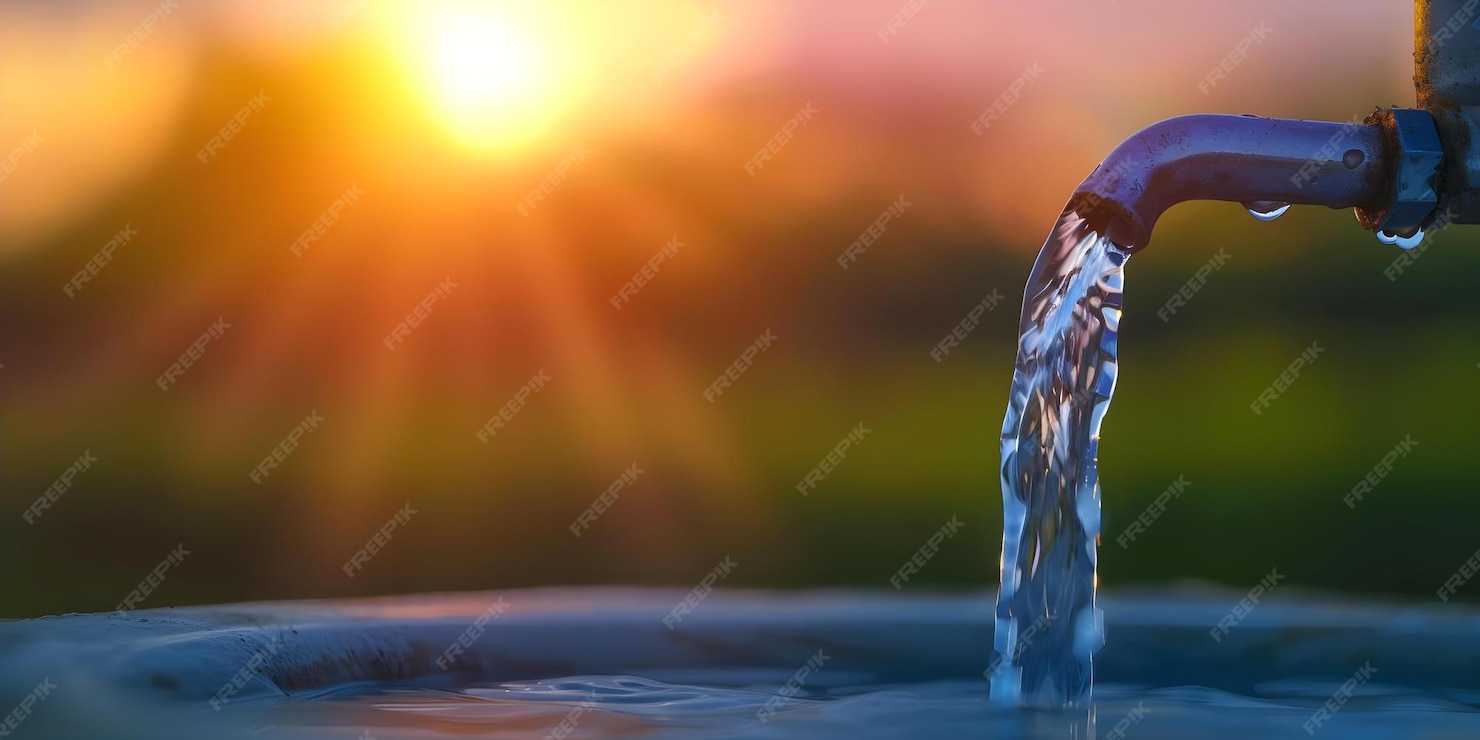
Imagine a well, traditionally a symbol of life and community sustenance, morphing into a wellspring of peril. Contaminated water sources intrude upon the daily routines of millions of girls worldwide, injecting their lives with disease and despair. The impact is far from abstract; it is intimate and debilitating. When water is laced with pathogens or toxic chemicals, girls become trapped in a cycle of illness that erodes their physical strength and mental acuity. Their bodies become battlegrounds where malnutrition and infection wage relentless wars, derailing the promises held by a school uniform and textbooks.
This contamination is not merely an environmental tragedy—it is a feminist debacle. While boys may also suffer, girls disproportionately bear the burden, embodying a paradox where the vitality of a community’s future is literally poisoned within its female half. The metaphor of the “poisoned well” encapsulates this dynamic—what should nurture growth instead cripples the potential, a cruel inversion underscoring the depth of the injustice.
School Desks Left Empty: The Educational Toll of Water Insecurity
Every missed school day is a stitch ripped from the fabric of a girl’s future. Waterborne illnesses and the drudgery of fetching water from unsafe sources mean that girls frequently miss school or leave prematurely. The school day becomes a battleground where water insecurity decides the victor, often to the detriment of female students. The repetition—the coughs, the fevers, the endless trips to fetch contaminated water—shatter fragile educational trajectories, creating dropouts rather than graduates.
Moreover, the burden of water collection falls heavily on girls due to entrenched gender norms. Instead of classroom lectures, afternoons dissolve into arduous treks for water, a Sisyphean task soaked in gendered expectation. The intersectional nature of this crisis reveals how environmental issues dovetail with patriarchal structures, weaving a web that ensnares girls in poverty, ill-health, and educational deprivation. Education, envisioned as a ladder out of adversity, becomes inaccessible when water insecurity monopolizes their time and energy.
Menstruation Management and Water Scarcity: A Hidden Barrier to Feminine Dignity
The absence of clean water exacerbates another, more intimate crisis: menstrual health management. Menstruation is a natural yet stigmatized biological process, and without adequate water and sanitation facilities, schools become inhospitable places for adolescent girls. The lack of clean water compromises hygiene, turning menstrual periods into episodes of shame, pain, and absenteeism. Many girls opt out of attending school entirely during their menstruation, invisible casualties of a crisis that few dare to spotlight.
This dilemma highlights an often-overlooked intersection where feminism meets environmental justice. It exposes the humiliating gap between biological reality and societal readiness, framed by infrastructural neglect. The silent sacrifice of education and self-confidence due to poor water and sanitation access is more than a health issue—it is an affront to a girl’s right to dignity and education. The metaphor here is stark: the very waters meant to cleanse and renew become barriers to feminine empowerment.
Environmental Injustice and Systemic Neglect: The Roots of Intersectional Oppression
Unsafe drinking water, at its core, is a symptom of structural inequalities. Marginalized communities, particularly those inhabited by women and girls, are disproportionately exposed to polluted and inadequate water supplies. This environmental injustice is amplified by economic deprivation, political disenfranchisement, and gendered social hierarchies that consign female well-being to the margins.
The crisis unfolds within a nexus of systemic failures—lack of investment in water infrastructure, inadequate governance, and environmental degradation driven by extractive economies that care little for local lives. Feminist analysis reveals how water insecurity is not a standalone issue but a node within a matrix of oppression. Girls from impoverished and rural backgrounds are doubly penalized, caught in the crossfire of environmental and gendered violence. Their plight underscores the necessity of intersectional frameworks that recognize how water justice is inseparable from feminist liberation.
Reclaiming the Flow: Feminist Approaches to Water and Education Equality
Confronting this crisis requires more than piecemeal solutions; it demands a radical reimagining of water justice through a feminist lens. Advocating for safe drinking water must be married to efforts that dismantle gender inequality and environmental racism. Empowering girls begins with securing access to clean, reliable water sources close to home and school, alleviating both health risks and time burdens.
Furthermore, investments in water infrastructure must be gender-sensitive, ensuring that sanitation facilities accommodate menstrual health needs with privacy and dignity. Educational curricula incorporating water and gender rights raise awareness and nurture advocacy from the earliest ages. Local women and girls must be at the forefront of decision-making, transforming them from passive victims to empowered agents of change. This holistic approach transforms the poisoned well into a wellspring of resilience and empowerment.
The Broader Implications: Water Scarcity, Gender Politics, and Global Justice
The metaphor of unsafe drinking water as a poison lurking beneath the surface extends beyond individual communities; it is emblematic of global disparities. As climate change exacerbates water scarcity, the vulnerabilities of girls in under-resourced regions amplify, revealing the fragile interconnectedness of ecological balance and human rights.
Feminism, when intertwined with environmental advocacy, illuminates pathways toward a more just water future—one where the tides of scarcity recede under the pressure of conscious policy and activism. It challenges societies to reckon not only with the immediate health hazards but with the cascading consequences in education, economic opportunity, and gender equity. Ultimately, addressing unsafe drinking water is an imperative that transcends environmentalism; it is a clarion call for intersectional justice, where every drop counts in the long fight against systemic oppression.
Unsafe drinking water is not merely an environmental blight—it is a feminist crisis submerged in plain sight. Its corrosive effects on girls’ education carve deep trenches into the landscape of equality, revealing how environmental degradation and gender discrimination are inextricably linked. The poisoned well, once a silent death knell, can become a metaphor for resilience and reclamation, but only if society dares to unearth and remedy the intersectional wounds beneath.