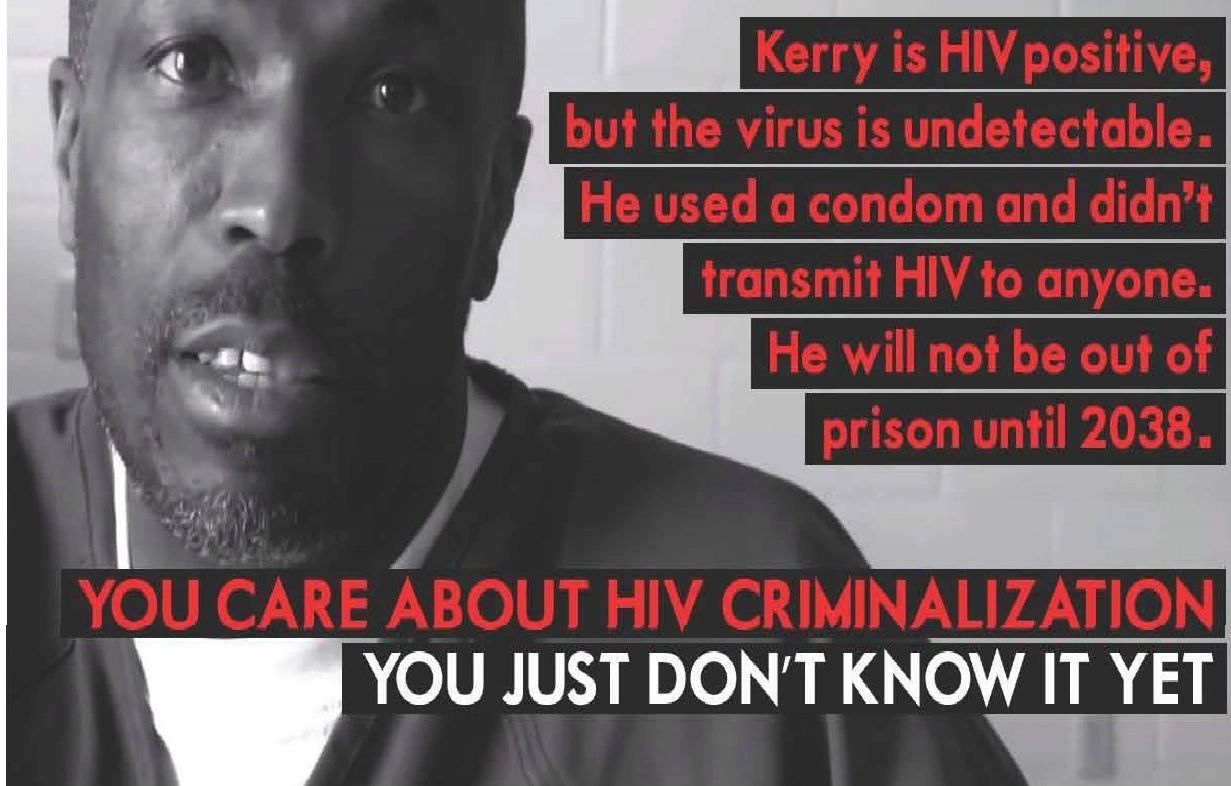
In the throes of contemporary feminist discourse, a seismic and often overlooked battleground emerges at the intersection of HIV criminalization and the systemic assault on women of color. Here, patriarchy, race, and the carceral state collide, erecting barriers that perpetuate oppression under the guise of public health and morality. This is not merely a discussion about disease or gender—this is a confrontation with structural violence that weaponizes stigma and criminal justice policies against the most vulnerable. To understand feminism in this fraught terrain, one must unravel the complex tapestry woven by legal frameworks, racialized narratives, and gendered prejudices that sustain the war on women of color living with HIV.
The Genesis of HIV Criminalization and Its Cultural Implications
The origin story of HIV criminalization is steeped in fear, misinformation, and moral panic. Rooted in the early years of the AIDS epidemic, laws were hastily constructed, often expanding criminal liability to those living with HIV in egregiously punitive ways. These statutes, cloaked in public health rhetoric, wield the law as an instrument of control rather than care. The implications transcend legal penalties; they incubate a culture of silence, exacerbate stigma, and reinforce public misconceptions.
Within this crucible, women of color are uniquely vulnerable. The juxtaposition of race and gender fuels policing strategies that disproportionately target Black, Indigenous, and Latina women. HIV criminalization laws fail to account for the socio-economic realities these women face—poverty, limited healthcare access, and the intersecting violence of racism and sexism. Instead, they codify fear into punishment, silencing voices and perpetuating cycles of marginalization.
Feminism and the Carceral State: The Collateral Damage on Women of Color
Feminism’s engagement with state structures is invariably complex, especially when considering the carceral state’s role in policing women of color. The war on drugs and the broader criminal justice apparatus have long functioned as weapons in controlling marginalized bodies, but HIV criminalization adds a new dimension to this assault. Women of color, already navigating an array of societal oppressions, find themselves ensnared in a legal labyrinth that criminalizes their very existence under the pretense of public safety.
This criminalization is not neutral; it is deeply gendered and racialized. The punitive gaze disproportionately fixates on behaviors deemed sexually deviant or irresponsible—often exaggerated and distorted when attributed to women of color. Feminist critique exposes this as a repressive strategy that diverts attention from systemic inequities and health disparities while reinforcing stereotypes that justify surveillance, incarceration, and social exclusion.
The Intersectionality of Stigma: Race, Gender, and HIV
Stigma functions as the unspoken currency in the architecture of HIV criminalization. Intersectionality—a framework that elucidates how race, gender, class, and other vectors intersect—becomes indispensable in unpacking the lived realities of women of color living with HIV. The stigma attached to HIV is magnified through racial othering and misogynistic tropes, transforming illness into a marker of moral failing.
For women of color, the stigma extends beyond health; it invades social, familial, and economic spheres. Disclosure of HIV status can precipitate ostracization, employment discrimination, and intimate partner violence. Within this environment, the threat of criminal prosecution amplifies fear, compelling many into silence, which undermines public health goals of testing, treatment, and prevention. The paradox is stark: laws designed to “protect” public health often exacerbate the very epidemics they claim to contain.
Public Health vs. Punishment: When Policy Contradicts Care
An intrinsic contradiction lies at the heart of HIV criminalization—its punitive ethos clashes violently with the principles of effective public health. Modern epidemiology and HIV research underscore the paramount importance of education, compassionate care, and access to treatment to stem transmission. Criminal laws criminalize behaviors that are often scientifically implausible to transmit or are already mitigated by treatment.
This divergence is especially harmful to women of color, who face intersecting barriers to healthcare, including systemic racism within medical institutions. The criminal justice approach undermines trust between patients and providers, deterring women from seeking testing or disclosing their status for fear of legal repercussions. Feminist public health advocates challenge these punitive frameworks, insisting on policies that center empowerment, autonomy, and holistic well-being over punishment.
Resistance and Feminist Advocacy: Charting a New Path
Despite pervasive obstacles, feminist movements led by women of color carve out spaces of resistance against HIV criminalization. These activists refuse reductionist narratives that cast women living with HIV as vectors of disease or criminal threats. Instead, they champion nuanced truths—highlighting resilience, complexity, and the imperative for intersectional justice.
Advocacy efforts intertwine calls for the repeal of HIV criminalization laws with broader struggles against racialized violence and gender oppression. Using storytelling, community organizing, and legal challenges, these movements destabilize the foundations of stigma and criminalization. They assert a vision of feminism that confronts systemic inequalities, uplifts marginalized voices, and demands reparative justice.
Reimagining Feminism Beyond Criminalization: Toward Liberation and Health Equity
The future of feminism in the context of HIV criminalization and the war on women of color necessitates a radical reimagining of justice and care. Liberation cannot be achieved through policing bodies and criminalizing illness. True feminism dismantles the punitive frameworks that reproduce inequalities and instead fosters environments where autonomy and dignity flourish.
Health equity must occupy center stage, integrating culturally competent care, structural interventions to address poverty and violence, and the abolition of laws that disproportionately harm marginalized women. This vision envisions a feminism rooted in solidarity—a movement that uplifts women of color living with HIV not as subjects of fear but as architects of their own narratives and futures.
Conclusion: Feminism’s Unfinished Revolution
The intersection of HIV criminalization and the war on women of color reveals feminism’s profound challenges and possibilities. It demands unflinching confrontations with entrenched systems of oppression, a reckoning with the carceral state, and an unwavering commitment to intersectional justice. The journey toward emancipation is neither linear nor simplistic, but its necessity is undeniable. In amplifying these stories and struggles, feminism can transcend its traditional boundaries—becoming a revolutionary force that dismantles stigma, criminalization, and the racialized violence that impedes the liberation of women of color living with HIV.