The devastating opioid epidemic has evolved, spiraling from heroin to the far deadlier fentanyl, carving a brutal path across communities and bodies alike. Beneath the surface of this public health catastrophe lies a complex political economy, entangled with gendered dynamics that shape survival, risk, and resistance. Feminism offers a loupe through which to examine this crisis—not merely as a public health failing, but as a battlefield where systemic inequalities, patriarchal neglect, and economic precarity converge. Unpacking the heroin to fentanyl crisis through a feminist lens reveals the nuanced realities of gendered survival work, illuminating how women, non-binary individuals, and marginalized communities navigate, resist, and endure within these toxic currents.
The Political Economy of the Opioid Crisis: A Gendered Framework
The opioid epidemic is not an accidental catastrophe but a consequence of structural forces embedded in neoliberal capitalism. The political economy here is crucial: pharmaceutical companies’ aggressive marketing, the underfunding of social services, and the monetization of suffering conspire to produce and sustain this crisis. Within this framework, gender plays a pivotal role. Women have disproportionately been prescribed opioids, reflecting gendered patterns of pain management and healthcare access. Yet, the crisis extends beyond prescription practices into arenas of economic disenfranchisement and social marginalization that disproportionately affect women and gender non-conforming people.
Economic precarity—marked by precarious labor, wage disparities, and caregiving burdens—exacerbates vulnerability to substance dependency. Survival work, a concept emerging from feminist labor theory, encapsulates the informal, often invisible labor women perform to maintain themselves and their families amidst systemic neglect. This work is integral to understanding how women endure the crisis, balancing caregiving, economic risk, and engagement with illicit drug economies under heightened surveillance and criminalization.
From Heroin to Fentanyl: Escalation and Gendered Impact
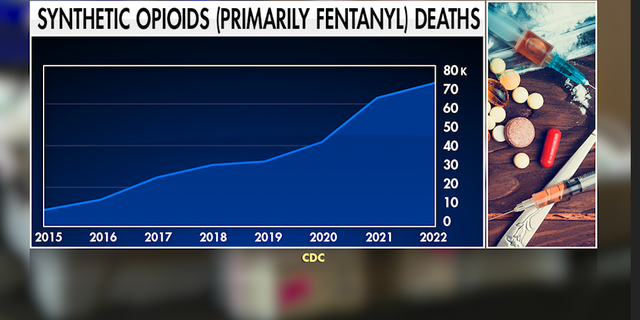
The shift from heroin to fentanyl represents an escalation in both potency and peril. Fentanyl’s lethal strength—approximately 50 to 100 times more potent than morphine—has catalyzed surging overdose deaths. This transition poses distinct challenges for women, who are often overlooked in harm reduction and treatment discourse. The increasing presence of fentanyl in drug supplies demands intimate, gender-responsive approaches acknowledging the intersection of trauma, addiction, and systemic barriers.
Women’s drug use is frequently entwined with experiences of intimate partner violence, sexual exploitation, and caretaking responsibilities, complicating access to support. The gendered pathways into addiction are frequently hidden under stigmatizing narratives that frame women as failures of morality or motherhood, rather than survivors navigating intersecting oppressions. Therefore, the political economy of the shift to fentanyl must be considered alongside gendered vulnerabilities, illuminating how systemic neglect amplifies risk.
Gendered Survival Work: Navigating Risk and Resistance
Survival in the context of an opioid-fentanyl crisis is a precarious, relentless endeavor. Feminist analyses foreground survival work as a constellation of strategies—emotional labor, caregiving, informal economies, transactional sex, and community mutual aid—that women engage in to sustain themselves. This labor is often rendered invisible or criminalized, despite its centrality to navigating structural violence.
For example, women embedded in illicit drug economies exercise agency, negotiating risks of incarceration, violence, and health consequences while attempting to secure resources for themselves and dependents. These acts of survival are paradoxical—both a response to systemic abandonment and an act of resistance against erasure. Acknowledging survival work compels a reevaluation of addiction narratives, emphasizing resilience and complexity over simplistic victimhood.
Intersectionality: Race, Class, and Gender in the Crisis
Feminism’s strength lies in its intersectional rigor, recognizing that gender does not operate in isolation. The opioid-fentanyl crisis is a crucible where race, class, and gender interact to produce differentiated experiences and outcomes. Marginalized women of color often face compounded systemic barriers—racism, poverty, and gendered violence—that exacerbate susceptibility to substance use and diminish access to culturally competent care.
Structural racism within law enforcement and healthcare systems results in disproportionate criminalization and medical neglect of Black and Indigenous women. These populations are more likely to confront punitive responses rather than compassionate, trauma-informed interventions. The politicization of drug users’ bodies intersects with histories of racialized surveillance, rendering the crisis a mirror reflecting broader societal inequities.
Policy Failures and Feminist Pathways Forward
Current policy responses remain inadequate, often grounded in punitive frameworks that fail to address the underlying social determinants that produce addiction. Feminist critique urges a transformation toward policies that center harm reduction, social justice, and gender-responsive care. This includes expanding access to trauma-informed treatment, safe housing, economic supports, and decriminalization efforts that dismantle the carceral feedback loops perpetuating cycles of vulnerability.
Advocacy for structural change insists on amplifying the voices of women with lived experience, positioning them as leaders in crafting solutions that resonate with the realities of survival work. Feminist methodologies emphasize community-based, participatory approaches that challenge hegemonic discourses and reimagine recovery beyond individual pathology toward collective liberation.
Reframing Public Discourse: Towards Empathy, Not Erasure
The heroin to fentanyl crisis demands a reframing of public discourse—moving beyond sensationalist, gendered stigmatization toward narratives suffused with empathy and complexity. It’s imperative to dismantle the binary myths that cast women who use drugs as either victims or villains. Instead, embracing a nuanced understanding illuminates the socio-political forces shaping their lived realities.
Such a reframing opens space for societal reckoning with systemic failures and invites solidarity across communities. It also positions feminism not merely as a theoretical critique but as a pragmatic, radical politics committed to healing, justice, and the amplification of marginalized voices in the face of relentless public health catastrophe.
In sum, the political economy of the heroin to fentanyl crisis is inseparable from gendered experiences of survival and systemic violence. A feminist analysis grounds the epidemic in structures of power and resilience, challenging dominant narratives and illuminating pathways toward transformative justice and care.