In the quiet chaos of everyday domesticity, a peculiar yet pervasive phenomenon unfolds: the relentless emotional labor of catastrophizing to safeguard the family. This is not merely worry—it’s an intricate act of vigilance, a fierce psychic armor donned by those who bear the weight of protection, often women in feminist narratives. At first glance, it’s easy to dismiss this behavior as paranoia or overthinking, but peel back the layers, and you uncover a complex web of social structures, gender expectations, and existential anxieties intertwined with the pressing need for safety. It’s a burden as invisible as it is essential, a ceaseless mental calculus that exacts a profound toll.
The Gendered Anatomy of Emotional Labor
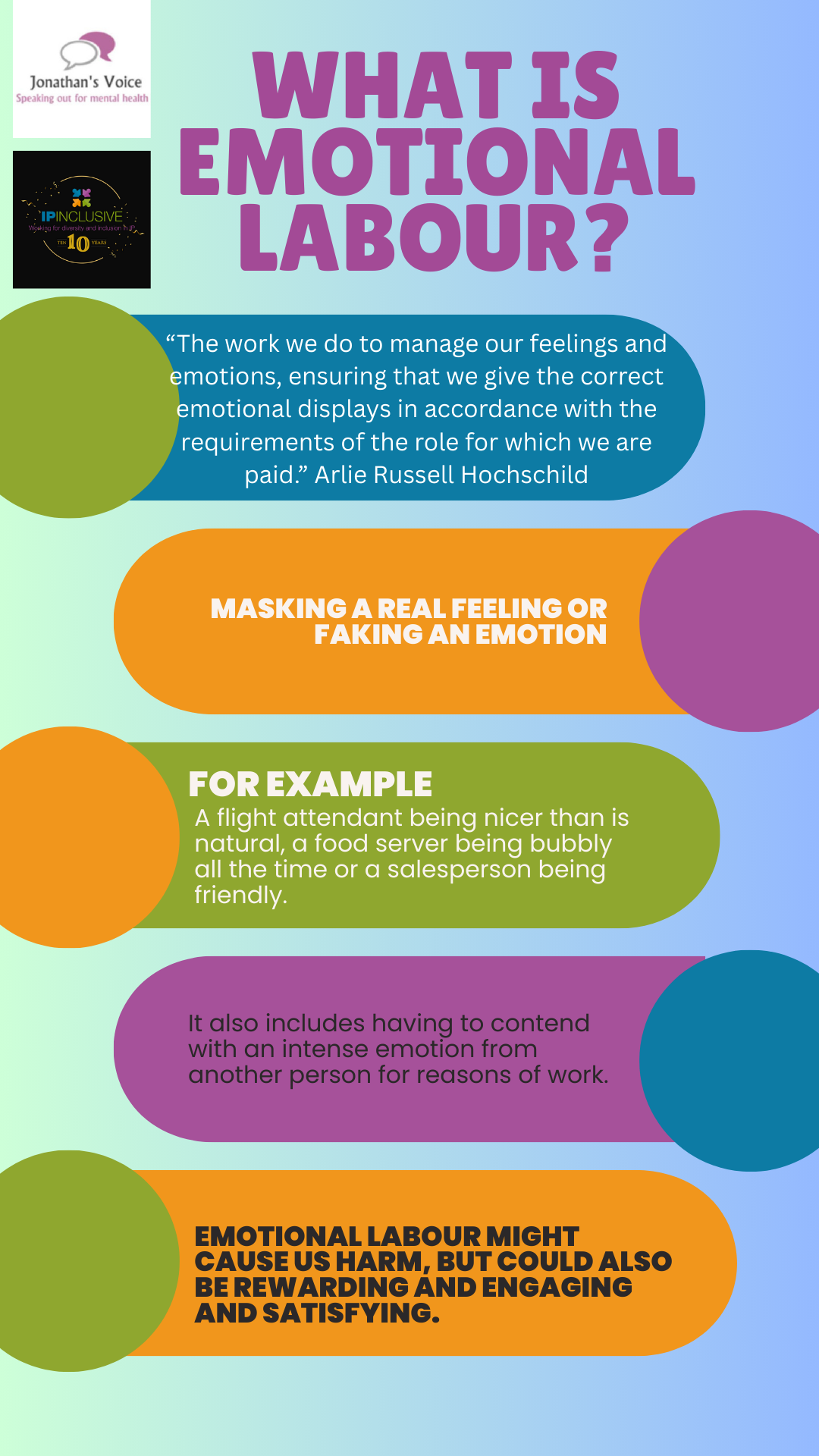
Emotional labor is traditionally understood as the invisible work of managing feelings and interpersonal dynamics, a concept long applied to customer service roles or therapeutic professions. Yet, within the domestic sphere, it morphs into something both more subtle and more onerous. Women, across diverse cultural landscapes, are culturally conscripted to perform a type of emotional labor that revolves around foresight, hyper-vigilance, and—most notably—catastrophizing. This means anticipating every possible calamity that might disrupt the precarious equilibrium of their household. From the minute details of children’s health to the looming specters of societal violence, their minds navigate an endless maze of what-ifs, generating a shadow narrative of protection that others often fail to see or appreciate.
What underpins this expectation? It’s not just tradition. It’s the tacit acknowledgment of a world where external threats aren’t distant abstractions but immediate, lived realities. The gendered politics of risk is brutally asymmetrical. Men are socialized to confront danger physically or to dismiss it, while women inherit the psychic labor of anticipating and mentally warding it off. Feminism, with its critique of patriarchal structures, therefore exposes a paradox: the same system that marginalizes women also depends on their emotional fortitude to compensate for the vulnerabilities it generates.
Catastrophizing as a Mode of Control
At its core, catastrophizing is often condemned as irrational and anxiety-inducing. But within the family context, this mental strategy functions as a mechanism of control and survival. When you foresee every potential disaster, you can (theoretically) mitigate or prevent it. This is no idle daydream. It’s a tactical response to genuine uncertainties. The mental rehearsal of worst-case scenarios creates a buffer, an anticipatory shield that transforms helplessness into agency.
Yet, this control is illusory in many ways. Emotional laborers find themselves trapped in a feedback loop where the act of worrying fuels its own continuation. The frantic mental calculus never truly ends because the domain of threat is unlimited—be it physical safety, emotional wellbeing, or social stability. In feminist terms, catastrophizing embodies the tensions between constrained agency and pervasive vulnerability. It lays bare a truth too often glossed over: the emotional burdens women bear are a structural consequence of exclusion from both decision-making and from the full reckoning of risks in public spheres.
The Unequal Distribution of Psychic Burdens
Who carries the emotional labor of family safety? The answer betrays society’s uneven distribution of psychic and physical responsibilities. Despite egalitarian rhetoric, women disproportionately shoulder this invisible workload. This disparity reflects broader systemic inequalities—from wage gaps to political disenfranchisement—that insidiously reassert themselves within the home environment. Catastrophizing is thus an emblem of gendered labor that transcends the material and delves into the realm of mental and emotional exhaustion.
Moreover, the normalization of this role relegates women’s anxiety to the status of expected behavior rather than a symptom of structural imbalance. This makes the emotional strain not only invisible but also unacknowledged. Family members are often unaware of the intricate web of vigilance woven by the emotional laborer. This invisibility compounds the isolation and fatigue inherent in the task, creating a cycle where the caregiver’s wellbeing is sacrificed for the collective’s presumed safety.
Why Does Society Fascinate with the Catastrophizing Woman?
There is a cultural fascination—bordering on suspicion—surrounding women’s tendency to catastrophize. Popular media and social commentary often caricature this trait as neurotic or overwrought, feeding into stereotypes that simultaneously diminish women’s valid anxieties and enforce gendered expectations. But beneath this superficial judgment lies a deeper sociological inquiry: what does it mean for a woman to hold the psychic map of every conceivable disaster?
This fascination reflects the ambivalence of societies grappling with the balance between autonomy and care, individual freedom and collective responsibility. The catastrophizing woman embodies both the heroism and the tragedy of emotional labor. She is, paradoxically, empowered through her psychic vigilance yet burdened by it—hybridizing strength and vulnerability in a way that unsettles traditional narratives of power. Feminism invites us to reframe this fascination not as pathologizing but as recognizing the profound complexity of emotional labor that is simultaneously political and personal.
The Intersection of Feminism and Emotional Catastrophizing
Feminism’s critique of emotional labor traditionally centered on unwelcome emotional caregiving in patriarchal relationships. However, the act of catastrophizing extends beyond mere caregiving: it is a radical form of anticipatory resilience. This dimension complicates feminist narratives by illustrating how emotional labor can be both oppressive and empowering. It acknowledges the physical and psychological perils women navigate daily and the resilience required to mentally preprocess potential calamities endlessly.
Such a reframing calls for a politicization of emotional labor that recognizes catastrophizing as a conscientious, even subversive, act within the confines of patriarchal pressure. It demands an appreciation of emotional labor as legitimate work and a fundamental component of familial survival strategies shaped by gendered realities. By doing so, feminism broadens the conversation to include nuanced forms of agency buried under layers of anxiety and cultural expectation.
Towards a Redistribution and Recognition of Emotional Labor
Any progressive reckoning with family safety and emotional labor must confront the uneven psychic toll by advocating for redistribution and recognition. Men and other family members must move beyond passive recipients of protection to active participants in emotional vigilance. This is no mere matter of fairness—it is essential for sustainable relational dynamics and the holistic wellbeing of all involved.
Recognition begins with visibility: acknowledging the mental load of catastrophizing as real, exhausting labor that shapes daily existence. Redistribution requires challenging entrenched social scripts that frame emotional labor as gender-specific and making space for shared responsibility, not only in physical tasks but in the mental maintenance of family safety.
Without this, emotional laborers remain trapped in a Sisyphean cycle, warehousing anxieties in silence as the family navigates a world that never ceases to threaten. The feminist imperative thus becomes clear: dismantle the structures inhibiting collective responsibility for emotional labor, and reclaim mental space for the caregivers whose vigilance is often underestimated but utterly indispensable.
Conclusion: Reimagining Safety Beyond Catastrophizing
The emotional labor of catastrophizing transcends simple anxiety; it is a deeply ingrained survival response encoded by gendered power imbalances. Its persistence is a testament to systemic failures as much as individual endurance. Feminism challenges us to interrogate why this mental burden disproportionately falls on women and to imagine alternatives to a world where constant psychic crisis becomes normalized as caretaking.
Reimagining family safety means eroding the myth that catastrophizing is a pathology. Instead, recognize it as a form of emotional craftsmanship, crafted within knowing systems of risk and protection. Only then can society take meaningful steps to diffuse the mental load and forge environments where all members shoulder the weight of vulnerability—freeing women from the invisible, unrelenting task of mapping darkness to preserve the light.