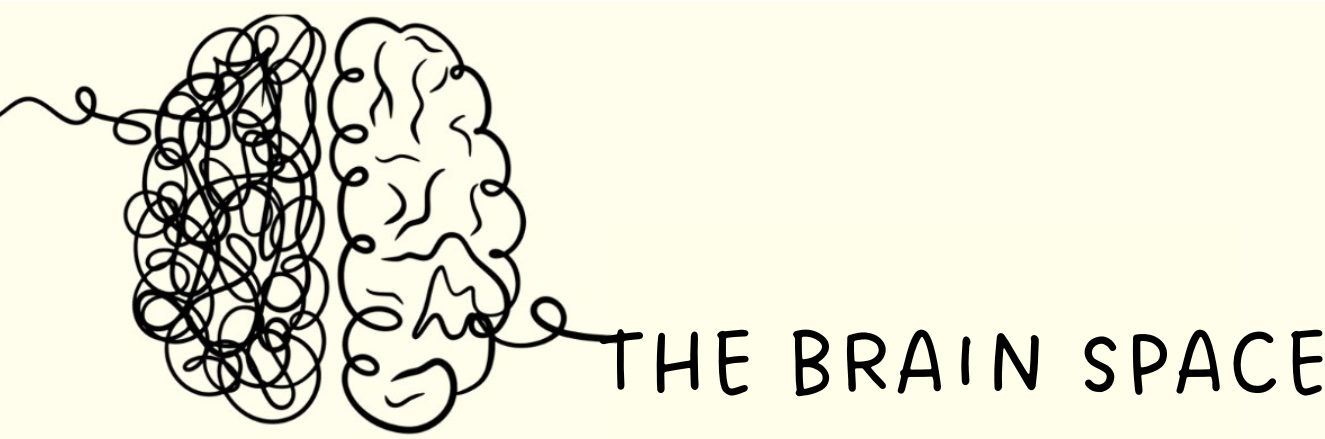
In the labyrinth of modern life, where the cacophony of daily obligations drowns out whispers of leisure, women find themselves ensnared in an invisible bind—a paucity of mental real estate for hobbies, play, and genuine joy. This phenomenon, often overshadowed by more overt feminist battles, is a pernicious void in the architecture of freedom. The “Joy Gap” is not just a statistical disparity; it is a symphony of lost moments, eroded creativity, and diminished selfhood. It exposes how centuries of societal scripting have not just chained women’s bodies to duty, but shackled their minds to an unending cycle of productivity, caretaking, and emotional labor.
The Illusion of Choice: How Cultural Narratives Constrict Leisure
Leisure is often romanticized as a personal choice, a luxury of time that must be consciously seized. Yet, for many women, this choice is an adornment wrapped in coercion. Cultural narratives persistently tout the “superwoman” myth—an expectation that women excel professionally, manage households flawlessly, nurture relationships tirelessly, and still find the time to “relax.” This is an untenable paradigm that collapses the possibility of unpressured play into a triumphant endurance test. Women’s leisure time is rarely autonomous; it is frequently contingent on the exhaustion levels of others, the approval of family systems, and the tacit obligation to prioritize others’ happiness above their own.
Emotional Labor: The Invisible Tax on Cognitive Bandwidth
One cannot discuss women’s lack of brain space for joy without acknowledging emotional labor—the often unseen and unacknowledged reservoir of mental and emotional management women are expected to maintain. From remembering relatives’ birthdays to smoothing over interpersonal tensions, women’s minds are reservoirs of constant attentional demands. This emotional surcharge acts like an insidious siphon, draining reserves that might otherwise be allocated to creative ventures, playful pursuits, or simple mental respite. The cumulative weight of emotional labor compresses cognitive bandwidth, leaving scant room for hobbies that foster self-expression and happiness.

The Productivity Trap: When Leisure Becomes Another Task
In a culture dominated by metrics of output, leisure risks transmogrifying into another sphere of productivity. Crafting, reading, even socializing can become “projects” with targets and benchmarks. For women caught in the joy gap, hobbies are not sanctuaries of freedom but tasks to be optimized. This phenomenon is exacerbated by the digital age’s proclivity for constant documentation and self-curation—social media transforms private pleasures into public performances, instilling a pressure to gain validation rather than genuine delight. The playfulness that once defined leisure becomes a choreographed dance of meticulous “achievement,” further eroding authentic enjoyment.
Intersectionality and the Unequal Distribution of Play
It is imperative to recognize that the joy gap is not a monolith; it is deeply affected by intersecting identities such as race, class, sexuality, and ability. Marginalized women often experience compounded restrictions to access leisure—economic hardships, systemic discrimination, and social exclusion curtail opportunities for discretionary time. Moreover, cultural expectations vary dramatically, layering additional constraints. For instance, women of color may face amplified emotional labor tied to both family and community pressures, making the cognitive space for play even more elusive. Understanding the joy gap thus demands an intersectional lens that unearths the variegated textures of constraint and possibility.
Reclaiming Brain Space: Radical Acts of Mental Rebellion
Reclaiming brain space is a revolutionary act. It is a definitive refusal to treat personal recreation as peripheral, a deliberate insurgency against the commodification of women’s time. Strategies for this reclamation range from micro-resistances—such as carving out daily moments of mindfulness or unstructured contemplation—to macro-level societal shifts demanding equitable distributions of domestic and emotional labor. The process requires vigilance, a recalibration of priorities that values women’s internal world as fiercely as their external accomplishments. Play, once marginalized as frivolous, must be recast as foundational for mental health, creativity, and identity formation.
The Role of Communities and Collective Joy
Isolation is the foe of joy. Transformative change emerges not merely from individual acts, but from communal structures that prioritize play and recuperation. Feminist spaces—both physical and virtual—have the potential to serve as incubators of collective leisure, where shared experiences dismantle the guilt and stigma surrounding women’s enjoyment. These communities affirm that joy is not a zero-sum game but a radical resource that multiplies when nurtured collectively. They also provide refuge from societal demands, offering solidarity and validation that open fissures in the confines of emotional labor and productivity imperatives.
Conclusion: From Scarcity to Surplus—Envisioning a Future of Feminist Play
Closing the joy gap is not a mere self-indulgence; it is a profound feminist imperative that redefines liberation. To envision a future where women possess abundant brain space for hobbies and play is to imagine a society where value ceases to be measured solely by output and caretaking, and where mental space is acknowledged as essential terrain of freedom. It challenges entrenched hierarchies and demands systemic overhauls—redistributing labor, reformulating cultural narratives, and collectively reimagining what life could mean when play is a fundamental right rather than a covert privilege. The reclamation of joy is thus both a personal journey and a political battlefield, one that promises transformation in the deepest realms of self and society alike.