The global beauty industry stands as a shimmering colossus—an empire whose glossy surfaces and hypnotic allure captivate millions daily. Yet beneath the veneer of glamour and transformation, a far more insidious narrative unfolds: the perpetuation of patriarchal motifs through commodified ideals of femininity. This sprawling multi-billion dollar machinery does more than sell lipstick or lotions; it markets identity, conformity, and an elusive promise of empowerment tethered tightly to traditional gendered frameworks. Why does this dynamic command such unwavering fascination worldwide? The answer lurks in the interplay between desire, societal control, and the paradoxical dance of liberation and subjugation.
The Facade of Empowerment: Beauty as a Double-Edged Sword
At first glance, the beauty industry parades as a beacon of female empowerment—a realm where choice, creativity, and self-expression reign. Advertisements champion diversity in shade and size, slogans herald “you’re beautiful just as you are,” and influencers curate narratives of self-love. Yet, this veneer often obscures a subtler coercion: the diktat that female value is inextricably linked to appearance. This contradiction births a complex matrix where empowerment and captivity entwine. Women are offered endless options but within a framework that still demands adherence to normative aesthetics—standards historically drafted not by women, but by a patriarchal hierarchy invested in controlling female bodies and minds.
Constructing Desire: The Codification of Idealized Femininity
Understanding the fascination with beauty requires dissecting how ideals are systematically constructed, disseminated, and ingrained. The industry codifies femininity through ritualized routines—skincare, makeup, haircare—transforming them into rites of passage. These rituals, far from autogenous cultural evolutions, stem from sustained campaigns by conglomerates that manipulate psychological triggers: insecurity, aspiration, and social currency. This manufactured desire is not incidental; it is meticulously engineered. To buy a product is, paradoxically, to partake in a collective performance scripted by patriarchal norms. Every contour spray or anti-aging cream is a tacit invitation to reshape oneself to fit an archetype, perpetuating the cycle of longing and consumption.
International Markets: Cultural Appropriation and Homogenization
The global expansion of the beauty industry amplifies its patriarchal imprint under the guise of cultural inclusion. As brands target diverse markets, they often appropriate traditional aesthetics, repackaging them into palatable, standardized products intended for mass consumption. This process erodes indigenous definitions of beauty, supplanting them with a homogenized ideal that prioritizes Western-centric features and values. The resulting cultural flattening diminishes unique identities and reasserts dominance in a subtle yet pervasive manner. The paradox is stark: a promise of inclusivity used as a vehicle for global patriarchal hegemony cloaked in lipstick and perfume.
Economic Power and Gendered Labor Exploitation
The economic engine of the beauty industry thrives on a labor force predominantly composed of women, frequently subjected to precarious conditions and minimal remuneration. From factory floors in Southeast Asia to informal vending in urban hubs, female workers produce the very symbols of beauty that fuel the industry’s growth. This gendered exploitation underscores a grotesque irony: women are both the primary consumers and the exploited producers of beauty, keeping the cycle alive for others’ profit. The patriarchal structures guiding corporate hierarchies rarely translate into equitable labor relations at the grassroots, perpetuating systemic inequality masked by dazzling commercials and philanthropic campaigns.
Media, Advertising, and the Weaponization of Insecurity
Advertising campaigns are relentless architects of aspiration and anxiety. Media outlets saturate public consciousness with impossibly flawless images, often digitally enhanced to defy natural attributes. This relentless barrage weaponizes insecurity, making the pursuit of beauty a compulsive, often unattainable quest. By framing imperfections as deficits, consumers are trapped in an endless loop of aspiration and disappointment, feeding the demand for ever more products and innovations. The industry’s role transcends mere commerce; it becomes a psychological battleground where patriarchal influence exercises control through aesthetic anxieties.
Resistance and Reclamation: Feminism Against the Beauty Industry’s Patriarchy
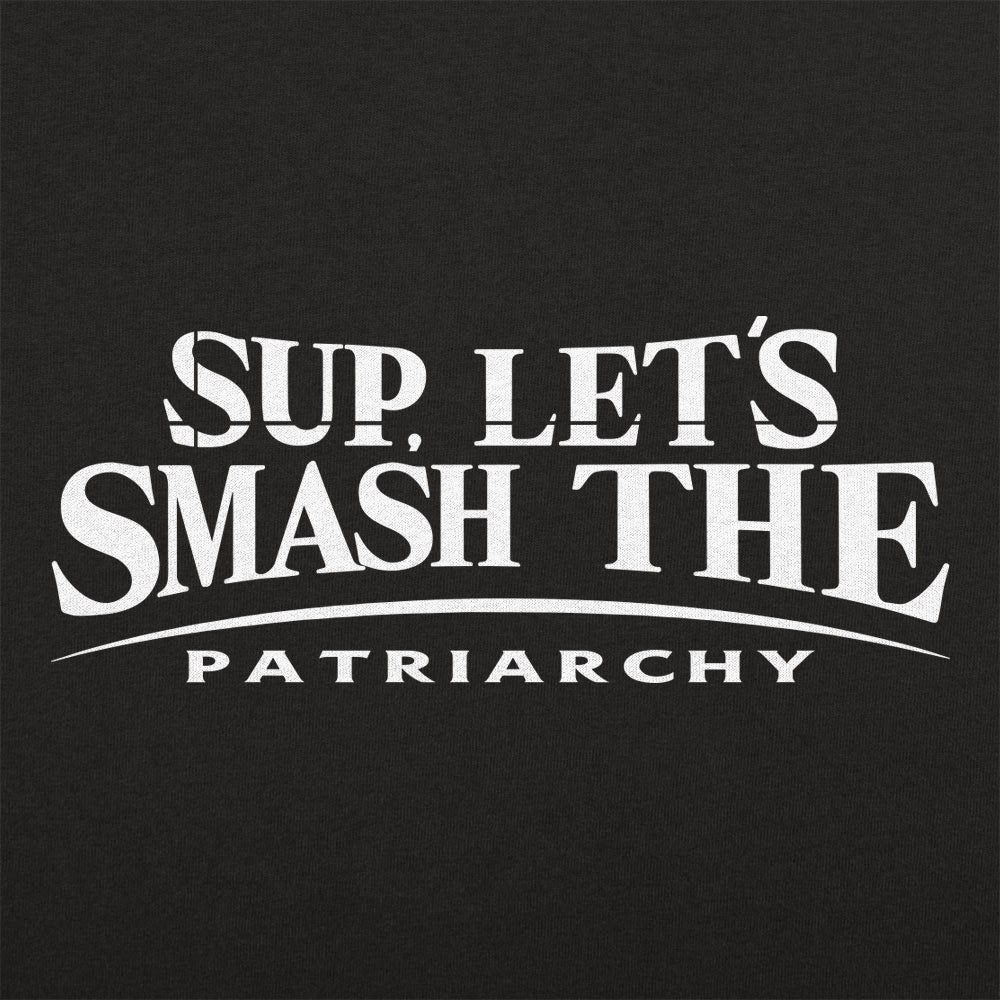
Yet amid this intricate web of manipulation, strands of resistance emerge with increasing vigor. Feminist movements confront the beauty industry’s patriarchal underpinnings by reclaiming narratives around self-worth and redefining beauty through diverse, authentic expressions. Campaigns promoting body positivity, gender inclusivity, and transparency in production challenge traditional paradigms. The slogan “Let’s Smash The Patriarchy” resonates not only as a call for political and social restructuring but also as an indictment of industries that profit from female subjugation in its numerous forms. These efforts illustrate an arduous but vital journey toward disentangling identity from commodification.
The Paradox of Choice and the Future of Feminine Identity
Faced with countless products promising transformation, the paradox of choice reigns supreme. While ostensibly liberating, the dizzying array of options often culminates in decision fatigue and conformity to escapist trends rather than genuine self-determination. The challenge lies in transcending superficial markers, recognizing beauty not as an externally dictated goal but as an individual, evolving narrative beyond patriarchal constraints. The future of feminine identity may reside in this paradigm shift—where aesthetic preference no longer equates to compliance, where beauty is a personal lexicon rather than a commercial mandate.
The global beauty industry is more than a marketplace; it is a mirror reflecting, distorting, and perpetuating centuries-old power dynamics. Its glittering façade hides a complex ecosystem where empowerment is routinely entangled with control. To truly understand our fascination, we must look past the surface allure and confront the patriarchal architecture holding the beauty world in thrall. Only then can liberation become more than a marketing slogan and realize its potential as a profound, inclusive revolution.