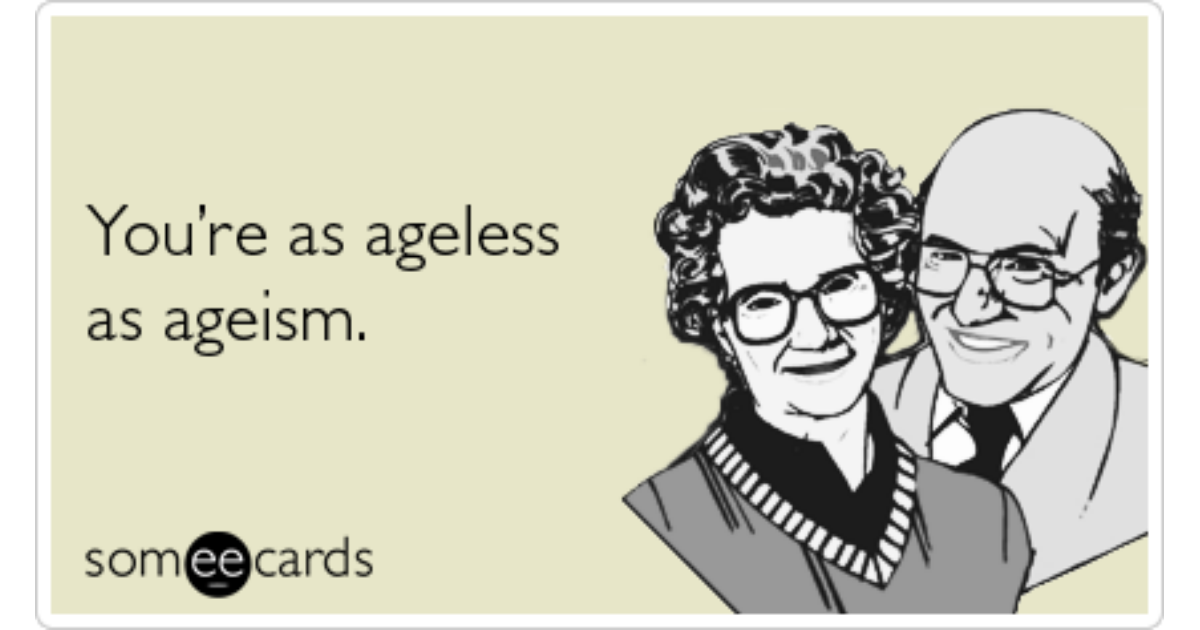
Feminism has long championed the dismantling of oppressive beauty standards, celebrating authenticity and diversity. Yet, nestled within the labyrinth of societal expectations lies a subtle, pernicious form of discrimination masquerading as adulation: ageism. More than just a bias, ageism has stealthily evolved into a dominant beauty standard, prescribing an unattainable ideal—the ageless woman. This paradoxical pressure to perpetually appear youthful is not simply about vanity; it is a complex cultural phenomenon demanding urgent scrutiny and a radical reevaluation of what it means to age gracefully, powerfully, and unapologetically.
The Invisibilization of Aging Women: A Cultural Conundrum
In a world obsessed with youth, aging women often find themselves rendered invisible, their value tethered to the ephemeral qualities of skin tightness and wrinkle absence rather than wisdom or experience. This invisibilization is not coincidental but a deliberate cultural strategy that commodifies youth as the sole marker of worthiness. Society’s relentless celebration of the “ageless” ideal creates a paradox: women are encouraged to age gracefully—yet only if they appear not to age at all.
The irony here is brutal. While the natural progression of time accumulates value in men, gifting them gravitas and respect, women face the inverse. Aging becomes an enemy. This dual standard does not merely reflect personal preference; it enforces a systemic aesthetic dictatorship that confines women to a narrow corridor of desirability and social acceptance.
Beauty as a Weapon and a Cage
What appears as empowerment—the ability to control one’s appearance—is frequently a meticulously constructed illusion. The glamorization of “ageless” beauty operates simultaneously as a weapon and a cage. For women, the pressure to resist visible markers of aging triggers a complex psychological labyrinth where self-worth can become inextricably linked to external approval.
The beauty industry, driven by profit and a deep-seated cultural hunger for permanence, perpetuates this cycle with vigor. Products promising to erase time’s footprints line shelves, while media curates images of women who defy chronological realities with surgical interventions and digital manipulation. This relentless pursuit does not liberate; it enslaves women to an unrelenting standard that transcends biology and mocks natural evolution.
The Myth of Agelessness: Illusion vs. Reality
Agelessness, as a concept, is arguably a cultural fabrication—an alluring mirage that entices women to buy into their own defacement of temporal truth. The myth posits that aging is a flaw to correct rather than a hallmark to celebrate. This notion not only erases the authenticity of lived experience but also undervalues the dynamic beauty found in the passage of time.
When agelessness becomes the hegemonic beauty standard, it effectively redefines normal aging as a disorder. The result? A sinister stigma around visible signs of age—grey hair, fine lines, natural sagging—stigmas that fuel anxiety, fuel cosmetic industries, and fracture female solidarity. Is it any wonder that some women wage war on mirrors rather than embracing the stories written on their bodies?
Feminism’s Untested Promise: Confronting Ageism Head-On
Feminism’s battle against gendered oppression must expand its horizon to definitively take on ageism as a formidable adversary. A true feminist revolution would not merely tolerate aging women—it would exalt them. The promise lies in reimagining beauty not as juvenile, but as multigenerational, intersectional, and layered with nuance.
This shift demands a radical reconceptualization, one that shatters the ageless illusion and challenges industries, media, and society to embrace aging as a vibrant, empowering spectrum. Feminism must refuse complicity in the ageist beauty regime, advocating instead for a culture where every wrinkle narrates a victory and every silver strand heralds strength.
Embracing the Unfolding Self: Reclaiming Narrative and Desire
To reject the tyranny of agelessness is to embrace the unfolding self—an ever-changing mosaic shaped by experience, growth, and resilience. This reclamation is not merely about aesthetics; it’s about narrative sovereignty. Women must feel empowered to define their desirability according to their own terms, celebrating the full spectrum of aging as an asset, not a deficit.
When women tell their stories authentically, they not only reclaim personal agency but also offer a blueprint for others navigating the treacherous waters of societal expectations. This narrative freedom can dismantle harmful stereotypes and foster a cultural ecosystem where beauty and age coexist without contradiction.
The Road Ahead: From Complicity to Revolution
Breaking free from the ageist beauty paradigm requires a collective awakening—an unflinching gaze at how deeply embedded these standards are and a courageous commitment to dismantle them. It means scrutinizing marketing messages, demanding diversified representation, and fostering communities that celebrate aging unapologetically.
Such a revolution is not for the faint-hearted. It calls for dismantling lucrative industries built on insecurity and confronting deeply ingrained societal biases. Yet, it promises a future where women’s worth transcends the superficial currency of youth, where aging is celebrated as the ultimate testimony to a life well-lived.
Within feminism lies the radical promise to redefine beauty not as a relic of youth but as a vibrant force amplified by age. The time has come to reject the oppressive myth of agelessness and to herald a new standard—one that honors the complexities, challenges, and triumphs etched in the faces of all women.