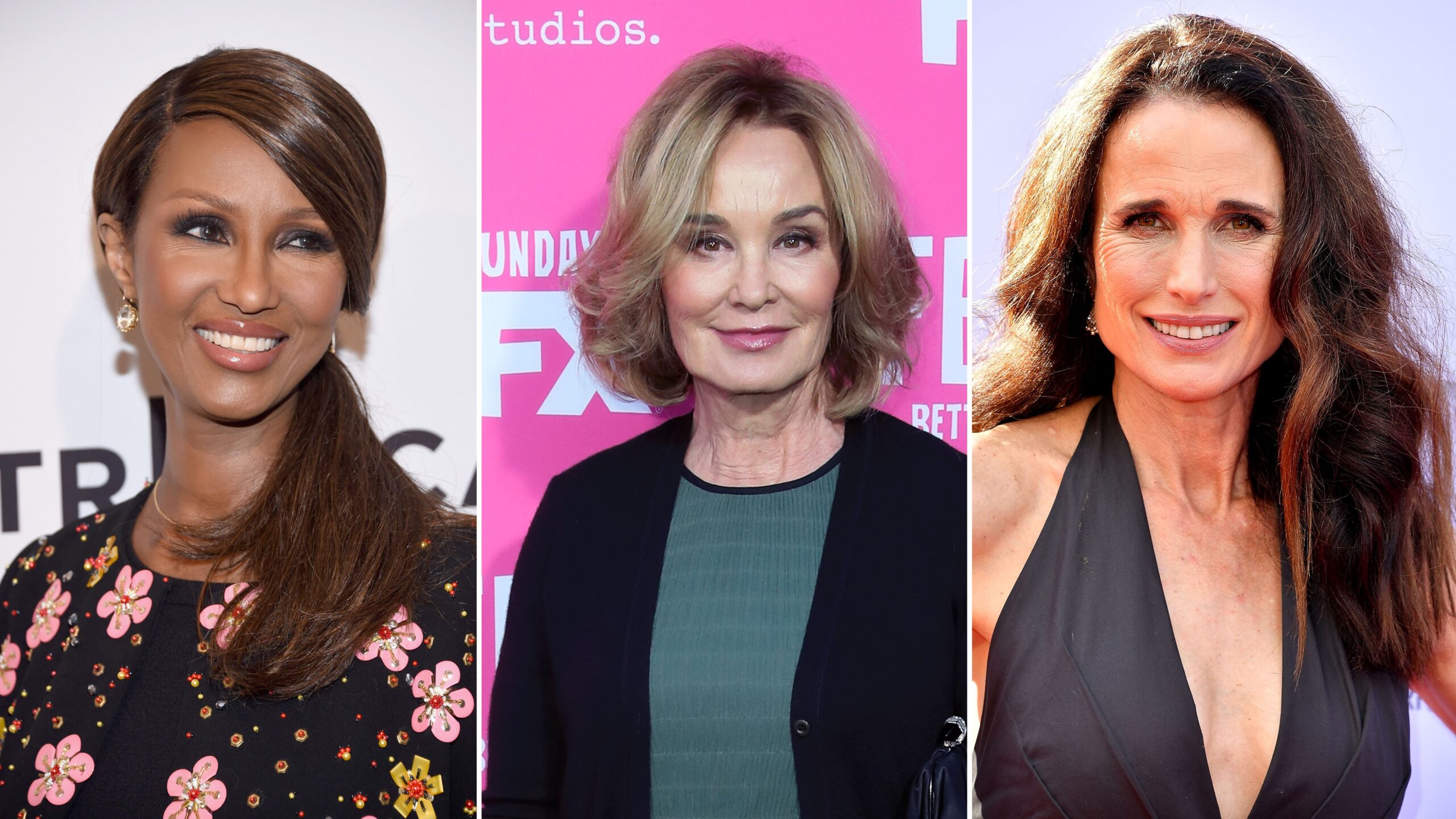
In a culture obsessed with youth, the natural aging of female celebrities often becomes a spectacle fraught with scorn and judgment. The public’s fixation on the elusive fountain of youth isn’t merely about vanity or biology; it surreptitiously exposes a profound, systemic misogyny embedded within both the entertainment industry and society at large. Women who dare to embrace the passage of time with authenticity are castigated, while their male counterparts frequently age unabashedly, often accruing respect and gravitas. This visceral reaction to aging women reveals an unsettling paradox: society venerates maturity in men but penalizes it in women. To unpack this phenomenon, one must explore the complex interplay of feminism, cultural narratives, and the patriarchal gaze that dictates which bodies are deemed worthy of public admiration.
The Cultural Fetishization of Eternal Youth
At the heart of this punitive spectacle lies an almost mythological obsession with eternal youth, especially as it pertains to women. The media and beauty industries have fused to create an idolized archetype of the ageless woman — smooth skin, tight muscles, and an appearance perpetually poised on the cusp of adulthood. This fetishization is no trivial quirk of modern society. It serves as a tool of control by equating a woman’s value with her physical appearance, which in turn restricts her power and autonomy. The female celebrity body becomes a canvas upon which societal anxieties are projected: fears of mortality, irrelevance, and the unruly reality of natural human transformation. This collective fixation reveals a culture hungry for perfection, yet deeply punitive toward those who challenge or deviate from its carefully curated ideal.
Double Standards: The Male Versus Female Aging Paradigm
When men age, they often accrue nicknames like “silver fox” or receive laudatory comments emphasizing wisdom, experience, and charisma. Aging men are presumed to deepen in character and authority. In stark contrast, women confront an insidious double standard. The same wrinkles or graying hair become the subjects of ridicule and condemnation. Female celebrities who opt against cosmetic interventions or botox injections are frequently branded as “letting themselves go” — a harsh phrase implying moral failure rather than a natural biological process. This discrepancy is not accidental; it is a deliberate byproduct of patriarchal storytelling that equates female worth with youth and sexual desirability, thereby limiting their roles both physically and metaphorically in culture. The aging woman is thus marginalized, rendered invisible or dismissed, while the aging man thrives visibly on the cultural stage.
Feminism’s Challenge to the Ageism Embedded in Patriarchy
Feminism disrupts this oppressive script by arguing that aging, like womanhood itself, is a multifaceted experience that resists simple categorization. Feminist discourse highlights how the policing of women’s bodies – especially the demand to remain visually youthful – operates as a form of patriarchal control that curtails freedom and self-expression. By criticizing female celebrities for their unaltered aging, society reveals its deeper fear of women’s autonomy. The feminist perspective challenges these reductive narratives by celebrating aging as a natural, powerful process rather than a flaw to be corrected. This counter-narrative invites women to reclaim their bodies from the tyranny of youth worship and to rewrite cultural scripts that confine them to narrow definitions of beauty and worth.
The Spectacle of Female Celebrity Aging: Public Fascination and Punishment
There exists an undeniable voyeuristic impulse in society’s reaction to female celebrities who age “naturally.” The intense scrutiny, often masquerading as concern or admiration, masks a darker desire to police and punish. This spectacle serves a dual function: it entertains through the melodrama of perceived decline while reinforcing standards that women must adhere to, lest they become targets of derision. The public’s captivation with the “anti-anti-aging” stars—those rare women courageous enough to defy cosmetic expectations—reveals a complex fascination tinged with hostility. They embody both rebellion and transgression, provoking reactions that are as much about recalibrating societal norms as they are about individual choices. This oscillation between admiration and condemnation reflects a collective anxiety about aging, gender, and power.
Media’s Role in Perpetuating Ageist Misogyny
Media outlets wield disproportionate influence in shaping attitudes toward aging female celebrities. Headlines often adopt a sensationalist tone, zeroing in on wrinkles or “signs of aging” as if they were scandalous revelations rather than natural markers of life lived. Such framing perpetuates an ageist misogyny that reduces women to aesthetic commodities rather than complex individuals. This reductive portrayal marginalizes the achievements and talents of female celebrities, recasting their worth solely in terms of physical appearance. By fixating on aging as a scandal, the media implicitly supports patriarchal values that celebrate youth while dismissing wisdom garnered through life experience. Challenging these narratives requires a conscious shift in cultural production, one that elevates diverse representations of aging women in all their radiant authenticity.
Reclaiming Aging as a Feminist Act
Embracing aging is not merely a personal act but a radical political statement. When female celebrities openly defy societal pressures and refuse to retreat behind cosmetic facades, they reclaim control over their image and narrative. This defiance destabilizes entrenched norms, illustrating that beauty is not a static ideal but a dynamic, evolving experience. Aging in public, on one’s own terms, confronts the invisibility imposed by patriarchal expectations and challenges the commodification of youth. Feminism insists that women’s value transcends appearance and that dignity, power, and grace can—and should—be claimed at every stage of life. This reclamation encourages society to broaden its definitions of worth and beauty, fostering a more inclusive, humane cultural dialogue.
Conclusion: Toward a Culture That Honors Authentic Female Aging
The punishment female celebrities endure for aging naturally is symptomatic of deeper societal malaise rooted in patriarchy and ageism. It is a clarion call to interrogate the values and narratives that govern perceptions of women’s bodies. A feminist approach uncovers not only the injustice of such policing but also the opportunity for transformation. By challenging these ageist, sexist frameworks, society can begin to honor aging as a testament to survival, wisdom, and beauty that transcends youth. The cultural obsession with defying natural aging reveals less about vanity and more about power—power that women are slowly but surely reclaiming through visibility, resistance, and unapologetic authenticity.